




From ESS News
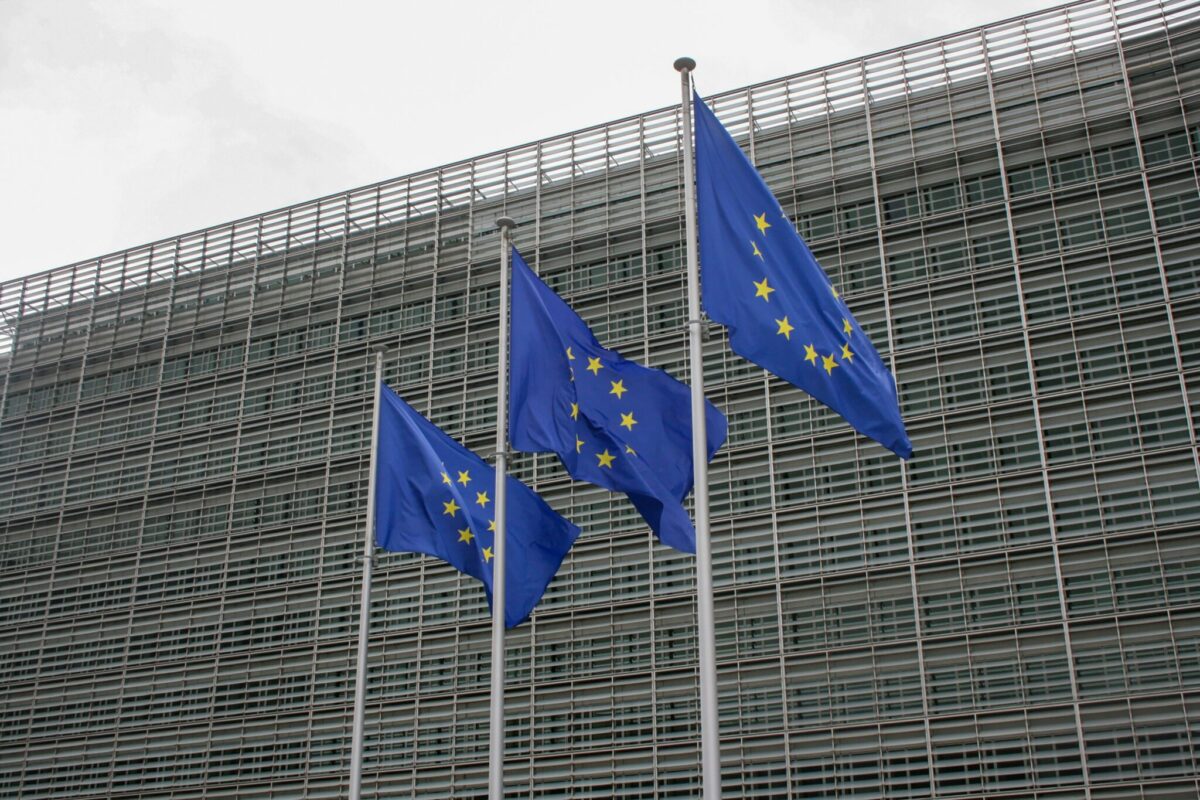
The European Commission has decided to restrict EU funding, including through the European Investment Bank and European Investment Fund, for solar, wind, and energy storage projects using inverters from so-called high-risk countries, namely China, Russia, Iran, and North Korea, citing cybersecurity risks.
Media reports have highlighted the limits on funding for photovoltaic solar projects; however, battery energy storage systems are now also confirmed to be included in the guidance.
Official publication of the new guidelines is awaited by the industry, though the process began on May 1 2026, having been communicated to financial institutions. For now, according to sources seen by ESS News, the Commission isn’t planning a public announcement or press release either.
Earlier reports, including by pv magazine, indicated timelines for the internal policy decisions, and according to documents seen by ESS News, those details have firmed further, and focus on inverters on all renewable energy applications.
To continue reading, please visit our ESS News website.
This content is protected by copyright and may not be reused. If you want to cooperate with us and would like to reuse some of our content, please contact: editors@pv-magazine.com.





By submitting this form you agree to pv magazine using your data for the purposes of publishing your comment.
Your personal data will only be disclosed or otherwise transmitted to third parties for the purposes of spam filtering or if this is necessary for technical maintenance of the website. Any other transfer to third parties will not take place unless this is justified on the basis of applicable data protection regulations or if pv magazine is legally obliged to do so.
You may revoke this consent at any time with effect for the future, in which case your personal data will be deleted immediately. Otherwise, your data will be deleted if pv magazine has processed your request or the purpose of data storage is fulfilled.
Further information on data privacy can be found in our Data Protection Policy.