





Renewable energy generation is greener, abundant, and efficient. It also alleviates the geopolitical pressures on energy economies. Solar energy generation is ubiquitous and relatively easy to harvest in urban areas. Solar power plants can form point-of-load micro-grids. Micro-grids are efficient as they reduce the T&D losses, provide redundancy, and can be set up quickly and economically. Rooftop solar plants minimize the land required for the generating plant and provide energy to the specific consumers.
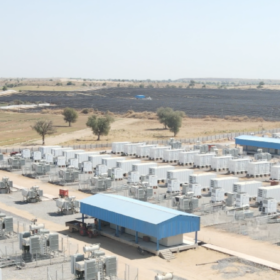
Power electronics are at the heart of the solar power plants. The DC Voltage generated by the solar panels needs to be converted into grid-synchronized AC Voltage. Solar inverters need help to do this conversion. The inverters also feature MPPT (Maximum Power Point tracking) based on the panel characteristics to maximize the solar energy generation. The inverters convert DC Voltage to AC Voltage, regulate the Voltage and frequency to synchronize with the grid, provide protection from Grid transients, overcurrent, overvoltage, and Over-temperatures. They can also protect against load short circuits and other faults.
Solar energy generating plants can be distributed over large areas, can be connected through networking devices, and can be controlled to coordinate the T&D operations. They can be connected to cloud services to monitor the health and generation capacity in real time. This enables the energy system to generate the power optimally and distribute it to minimize interruptions and reduce the losses. The smart grid ensures the reliability and robustness of the system.
The development of new power device technologies, such as Silicon Carbide (SiC) and Gallium Nitride (GaN), also known as wide band gap (WBG) technologies, enables faster, more efficient switching of the devices. Faster switching reduces losses during the power conversion and the size of the magnetic components. Thereby improving the conversion efficiency and compact designs.
These wideband gap devices also enable newer circuit topologies such as bridgeless rectifiers, bidirectional switches, etc. These topologies improve the conversion efficiency and reduce the costs. It is also now possible to realize a solid-state transformer using WBG devices that can revolutionize the T&D landscape. Solid-state transformers can provide unprecedented features like fault isolation, harmonic isolation, line regulation, power factor correction, and improved reliability.
Another aspect of solar energy is the storage of energy. DC energy can be stored in batteries and can be used in lean energy generation periods or to fulfil the peak energy demand phases of the day. Battery Energy storage systems (BESS) are becoming increasingly important to maintain the grid stability through peak-shaving and improve the availability of the grid power.
Maintaining the stability of the distributed, grid-connected energy system needs fast, sophisticated control systems. The control systems consist of communication interfaces like 4G, Wi-fi, SCADA, and IoT nodes. They need to communicate in real time and respond quickly to demand surges, faults, and disturbances. The distribution network must be agile to isolate the faulty systems and re-route the supply lines effectively to maintain an uninterrupted power supply to the consumers. These systems need to be highly automated and need to make decisions that reduce the impact of disruptions.
Advanced power electronics can enable distributed, resilient grids. Together with connectivity among the grid-connected systems, the energy ecosystem can optimize the resources and improve the reliability of the system.
As the energy-generating capacity scales up, it becomes critical to integrate intelligent embedded control and connectivity solutions. With a concerted effort to utilize the advances in power electronics and connectivity solutions, it is possible to achieve self-reliant, environmentally friendly, and efficient energy systems that can power a nation.
The views and opinions expressed in this article are the author’s own, and do not necessarily reflect those held by pv magazine.
This content is protected by copyright and may not be reused. If you want to cooperate with us and would like to reuse some of our content, please contact: editors@pv-magazine.com.






By submitting this form you agree to pv magazine using your data for the purposes of publishing your comment.
Your personal data will only be disclosed or otherwise transmitted to third parties for the purposes of spam filtering or if this is necessary for technical maintenance of the website. Any other transfer to third parties will not take place unless this is justified on the basis of applicable data protection regulations or if pv magazine is legally obliged to do so.
You may revoke this consent at any time with effect for the future, in which case your personal data will be deleted immediately. Otherwise, your data will be deleted if pv magazine has processed your request or the purpose of data storage is fulfilled.
Further information on data privacy can be found in our Data Protection Policy.