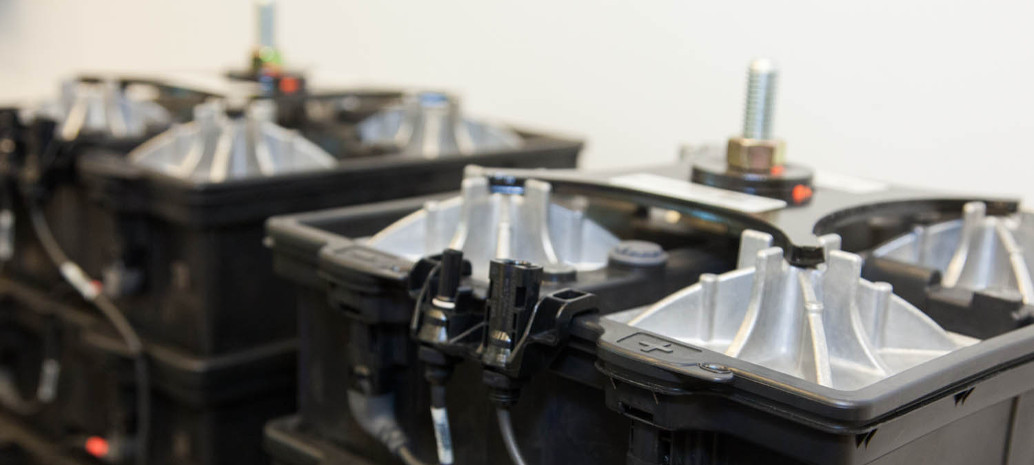





Last month, a Bengaluru-based EV delivery rider faced a problem millions may soon relate to. His scooter battery suddenly lost capacity, and replacing it cost almost half his monthly income. The service center explained that new battery packs remain expensive because “almost everything is imported,” from the cathode materials to the lithium cells inside. For the rider, the battery is not just a part of the vehicle. It is his livelihood and this experience is not an exception. As EV adoption increases across cities, more users will face the financial and supply-chain pressures tied to battery replacements.
This situation is a national issue. India’s electric mobility and clean-energy push is accelerating, but it still depends on imported battery cells and critical minerals. The country currently spends more than $2 billion every year to import battery materials, and this number is set to increase significantly. With EV sales rising and energy-storage systems becoming essential for renewable power, battery demand continues to climb. Yet the supply chain remains largely dependent on other nations.
One immediate solution is battery recycling and urban mining. By 2030, India will produce roughly 2 million metric tonnes of lithium-ion battery waste. These waste streams contain lithium, cobalt, nickel, graphite, and copper. New recycling technologies can recover up to 95% of these metals. Urban mining also reduces our dependence on virgin extraction of natural resources. It keeps valuable materials from being sent to landfills, to incineration units, or to informal recycling units where the material may be lost. The urban mining of waste resources can efficiently extract metals and reintroduce them back into the supply chain. Recycling also avoids unsafe practices of acid burning or open dismantling, which expose workers to chemical hazards, and releases pollutants into the environment. Formal recycling at scale will also keep the batteries traceable from collection to processing, preventing leakages into informal networks.
Understanding this opportunity, the government has started laying the infrastructure to develop a more organized recycling ecosystem. Under the National Critical Minerals Mission, a INR 1,500-crore incentive programme has been introduced to expand India’s capacity to extract critical minerals from secondary sources such as e-waste and used batteries. Extended Producer Responsibility (EPR) rules further require manufacturers to ensure that batteries are collected, transported, and processed through authorised channels. The planned “Battery Aadhaar” system aims to track batteries through their entire lifecycle, from production to disposal, minimizing leakage into the informal sector.
However, policies alone will not be sufficient to achieve scale. The recycling ecosystem will require close coordination between battery manufacturers, recyclers, logistics networks, technology developers, and regulators. India’s Production-Linked Incentive (PLI) programme for cell manufacturing has attracted investment into gigafactories and electrode production, but local manufacturing can only succeed if it has access to steady, domestic mineral feedstock. Recovered materials from end-of-life batteries can supply a meaningful share of that requirement, provided there is strong collection infrastructure, organised supply aggregation, and investment in processing technologies. Formalising informal scrap channels is also important, as informal networks currently handle a large volume of used batteries. Bringing these networks into the formal system, with training and safety support, ensures that valuable materials do not exit the supply chain or enter unregulated processing units.
India is at a turning point. Just as an EV rider requires affordable and dependable battery replacement, the country needs long-term solutions that can reduce costs and help in building self-reliance. The minerals for batteries already exist within our waste stream in the form of used mobile phones, laptops, electric vehicle battery packs, industrial scrap, and other electronic waste. Instead of letting these materials end up in landfills or move through informal channels, India should collect, process, and reuse them at scale. Establishing a structured recycling ecosystem would reduce the necessity for imported minerals, boost local manufacturing, and strengthen domestic supply chains. Reducing the battery import bill is not only about saving foreign exchange; it is directly linked to energy security, clean energy growth, and a more resilient future for India’s electric mobility and renewable energy sectors.
The views and opinions expressed in this article are the author’s own, and do not necessarily reflect those held by pv magazine.
This content is protected by copyright and may not be reused. If you want to cooperate with us and would like to reuse some of our content, please contact: editors@pv-magazine.com.


By submitting this form you agree to pv magazine using your data for the purposes of publishing your comment.
Your personal data will only be disclosed or otherwise transmitted to third parties for the purposes of spam filtering or if this is necessary for technical maintenance of the website. Any other transfer to third parties will not take place unless this is justified on the basis of applicable data protection regulations or if pv magazine is legally obliged to do so.
You may revoke this consent at any time with effect for the future, in which case your personal data will be deleted immediately. Otherwise, your data will be deleted if pv magazine has processed your request or the purpose of data storage is fulfilled.
Further information on data privacy can be found in our Data Protection Policy.