Sunshine at your doorstep: Making solar a household staple in India
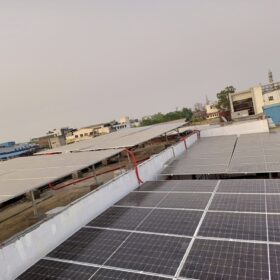
India’s rooftop solar potential is vast. Policy momentum, domestic manufacturing expansion, and innovative retail models are laying the groundwork for mass adoption. The focus now must be on making solar a simple, dependable household choice — where purchasing panels is as straightforward as buying a home appliance.

Hydrogen-ready pipelines and the global opportunity for Indian manufacturing
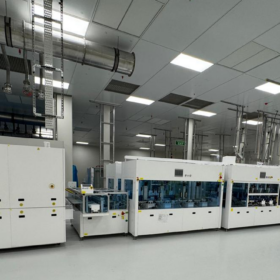
Hydrogen is moving quickly from promise to reality, and pipelines will be the foundation of this transition. The world is preparing to invest billions in hydrogen-ready transport networks, and the demand for advanced steel pipes will surge. With its strong track record, competitive costs, and supportive policies, India is well-positioned to lead.
Why every Indian home should consider solar in 2025
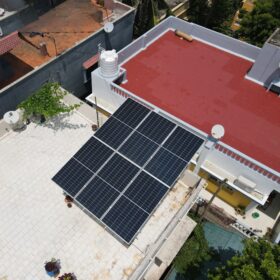
When you combine lower solar hardware costs with rising grid tariffs, payback periods tighten—especially for homes that consume 200–400 units a month and can run major daytime loads (fridge, fans, air-cooling, work-from-home equipment) on solar power.

Behind the green boom: How ecosystem builders are fueling India’s climate tech rise
India’s climate tech ecosystem now counts over 800 startups, ranging from solar and electric mobility pioneers to agri-tech and water management disruptors. Many of these startups begin as humble experiments.

China’s TOPCon cell prices rise on tighter downstream oversight
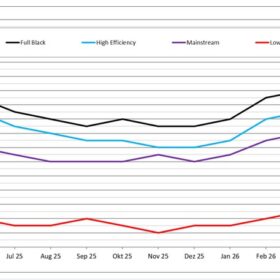
In a new weekly update for pv magazine, OPIS, a Dow Jones company, provides a quick look at the main price trends in the global PV industry.
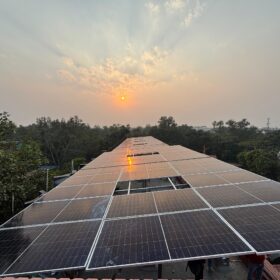
What most people don’t know about solar layouts
This article discusses the often-overlooked technical considerations involved in designing and laying out a high-performance solar system.

AI + ESG: A new era for supply chain sustainability and predictive risk management
The integration of AI and ESG is redefining what supply chain management can be. AI brings the speed, scale, and foresight to manage complexity with confidence. ESG ensures that capability is channelled into transparent, accountable, and sustainable outcomes.

Subsidies vs. loans: What really makes rooftop solar affordable for homes?
While subsidies have provided an important early boost, the future of residential solar affordability rests on financing models that expand access consistently. Loans create a pathway for households across diverse income brackets and geographies to invest in clean energy without waiting for government support.

Charging up fleets to overcome India’s infrastructure hurdles for EV adoption
Scaling electrified fleets relies not just on vehicles, but on the infrastructure that powers them: without a robust, accessible, and optimized charging ecosystem, fleet EV adoption may stall, undermining both environmental goals and operational efficiency.
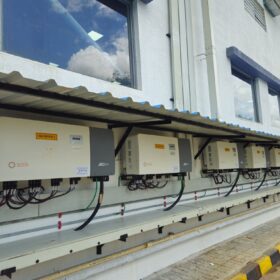
String inverters: Technical progress and application status
As deployment expands across residential rooftops, commercial and industrial systems, and large-scale ground plants, string inverters are evolving at an unprecedented pace. This article reviews the key technology trends and application developments shaping the market as we move into 2025.