India’s solar module manufacturing capacity to hit 100 GW by 2026, says MNRE Secretary
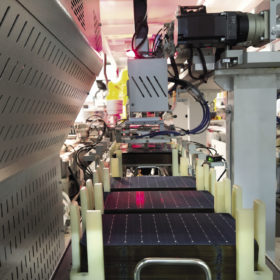
Currently, India has 28 GW of solar PV module manufacturing capacity and 6 GW of cell capacity, said Bhupinder Singh Bhalla, secretary, Ministry of New & Renewable Energy (MNRE).
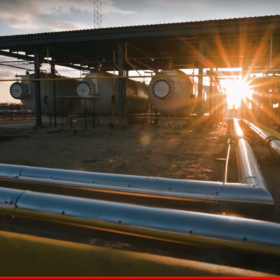
PHDCCI makes recommendations for fast-tracking India’s National Green Hydrogen Mission
The PHD Chamber of Commerce and Industry (PHDCCI) has recommended nil import duty for electrolyzers until 2030 and zero goods and services tax (GST) for green hydrogen/ammonia. It has also proposed the inclusion of green hydrogen derivatives in the list of activities eligible for carbon credit trading, among other suggestions.

India’s solar module imports from China fell 76% YoY in H1 2023
India is seeing a large fall in solar panel imports from China as it prioritizes domestic solar manufacturing, finds a study by Ember.
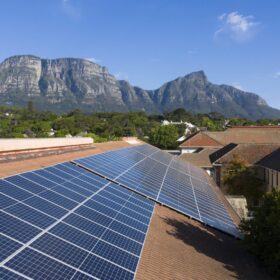
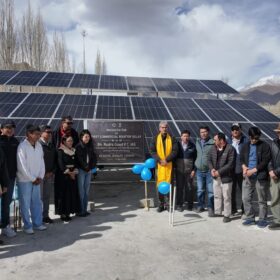
The importance of solar mini-grids in universalizing energy access
As solar energy becomes the most cost-effective form of energy generation in many countries, with clear climate, energy, and economic benefits, its acceptance and political support are growing. To enhance resilience and sustainability, strategies that incorporate a diverse energy mix, combining centralized and distributed renewable generation, are most effective, especially in underserved nations.

Government considering viability gap funding, ALMM mandate for battery storage projects
The Indian government is considering financial incentives such as viability gap funding and green finance to encourage the adoption of energy storage systems in the country. It may also issue an Approved List of Models and Manufacturers (ALMM) mandate for battery storage systems for power sector applications.
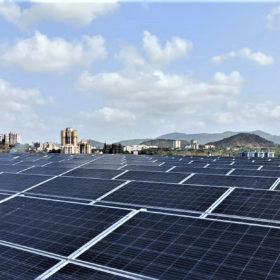
Ghaziabad to be developed as Uttar Pradesh’s next solar city after Ayodhya
The city will meet 10% of its electricity requirements from solar power in four years.
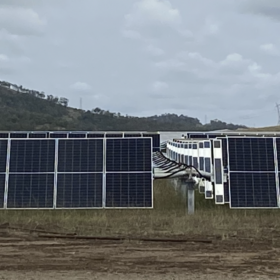
Australia backs 248 GW pipeline to counter reliability challenges
The Australian Energy Market Operator (AEMO) says that 248 GW of proposed generation projects, storage installations, transmission developments, and government energy programs have the potential to address many of the risks in its latest market forecast – if they are delivered to schedule.

USA, India launch renewable energy technology action platform
The renewable energy technology action platform will initially focus on green and clean hydrogen, wind energy, long-duration energy storage, and exploration of geothermal energy, ocean/tidal energy and other emerging technologies.
Annual renewables installations to surge 33% to 20 GW this fiscal
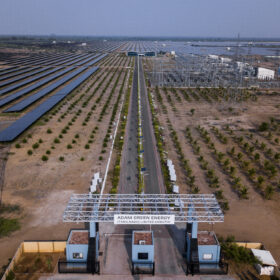
India is expected to add around 20 GW of new renewable energy capacity (16 GW solar and the balance wind) in FY 2024. This is 33% up from 15 GW installed in FY 2023.

HSBC announces $2 million funding to IIT Bombay, Shakti Sustainable Energy for green hydrogen innovation
HSBC India has partnered with the Indian Institute of Technology (IIT) Bombay to support innovation-led green hydrogen initiatives. It has also partnered with Shakti Sustainable Energy Foundation (SSEF) to support policy research, and technological and financial solutions for real-world application of green hydrogen in industrial clusters across four states of India.