Competition, oversupply to reduce n-type solar module prices
Global solar demand will continue to grow in 2024, with module demand likely to reach 492 GW to 538 GW. Amy Fang, a senior analyst at InfoLink, looks at module demand and supply chain inventories in a market still affected by oversupply.
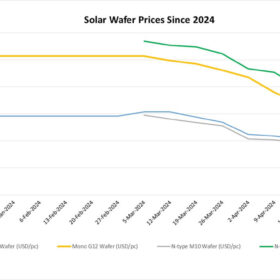
Solar wafer prices decline, sparking concerns over producer survival prospects
In a new weekly update for pv magazine, OPIS, a Dow Jones company, provides a quick look at the main price trends in the global PV industry.
US government reinstates bifacial solar module tariffs
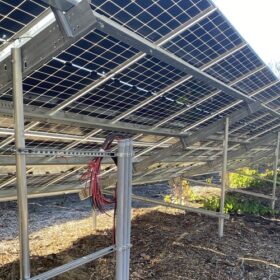
The Office of the President has turned its focus to solar panels, announcing the removal of the bifacial solar panel Section 301 tariff exclusion and addressing issues of stockpiling during trade cases, alongside promoting the nation’s manufacturing base.
China’s solar dominance set to continue amid price slide
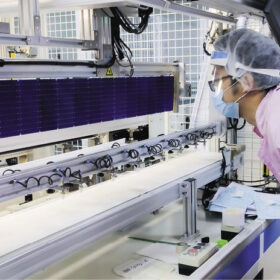
With solar module oversupply triggering a price freefall in 2023 and no recovery in sight, market consolidation, inventory pile-up, technology shifts, and challenges to reshoring PV manufacturing are set to affect all levels of the solar supply chain.
IEX reports 26.4% rise in renewable energy certificate trading
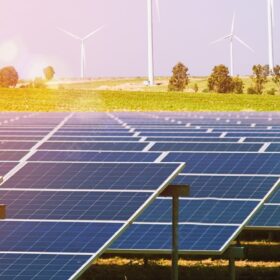
The Indian Energy Exchange (IEX) traded 75.39 lac renewable energy certificates (RECs) in FY 2024, equivalent to 7.54 billion units, registering a 26.4% increase year-on-year.
The Hydrogen Stream: India extends bidding for second round of electrolyzer incentives
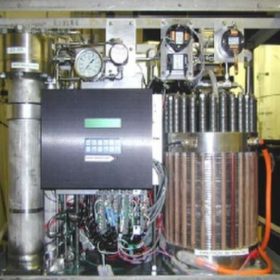
Manufacturers now have until May 31 to submit bids for setting up electrolyzer manufacturing capacities in India under the second round of the government’s Strategic Interventions for Green Hydrogen Transition (SIGHT) program.

Coal share in India’s installed power capacity drops below 50%
Coal’s share (including lignite) in India’s total installed power capacity dropped below 50% in the first quarter of 2024. This is well ahead of the Government’s target to establish 50% cumulative power generation capacity from non-fossil fuel-based sources by 2030.

Navigating the future of hydrogen
Hydrogen, often lauded as a beacon of hope in the quest for a low-carbon future, stands at a pivotal crossroads. As the world grapples with the dual challenges of escalating energy demands and climate change, hydrogen presents a unique opportunity to harmonize industrial development with environmental stewardship. However, its path is fraught with complexities and obstacles that require careful navigation.
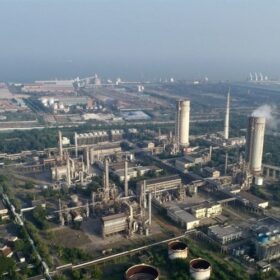
Greenko ZeroC to supply renewable ammonia to Norway’s Yara
Greenko ZeroC will supply up to 50% of renewable ammonia from Phase 1 of its ammonia production facility in Kakinada.
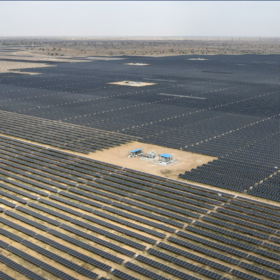
India tendered ‘record’ 70 GW of renewables in FY 2024
India invited bids to set up 69.8 GW of renewable energy capacity, far surpassing the annual bidding target of 50 GW. The bidding activity surged due to large-scale potential for market growth, central government support in terms of targets and regulatory frameworks, and higher operating margins.