




Carbon is rapidly moving beyond sustainability disclosures to become a measurable business cost, export competitiveness factor, and emerging credit-risk variable for Indian companies, according to a new report by Rubix Data Sciences and Breathe ESG. As one of the largest and fastest-growing economies, India has great potential to set a strong example of balancing economic growth with sustainability and global climate ambition.
The report, titled ‘Carbon as a Business Variable: Trade, Risk, and the Evolution of India’s Carbon Market’, comes at a critical juncture as India prepares to operationalise its domestic carbon market in 2026 amid rising global climate-linked trade regulations, including the European Union’s Carbon Border Adjustment Mechanism (CBAM), which is already increasing pressure on export-oriented sectors.
According to the report, carbon exposure is increasingly beginning to influence cost structures, profitability, capital allocation, supply-chain decisions, and credit-risk assessment frameworks. Regulatory expectations from institutions such as the RBI and SEBI are also gradually pushing businesses and lenders towards deeper carbon and ESG integration.
India has emerged as a significant voluntary carbon market, with over 375 million carbon credits issued between 2010 and 2025. However, the report notes that much of the value created through these credits has accrued outside India, with limited linkage to domestic emissions reduction priorities. The introduction of the Carbon Credit Trading Scheme (CCTS) and the broader Indian Carbon Market framework reflects a shift towards retaining both economic as well as environmental values within the domestic system, the report stated.
The report also highlights significant execution bottlenecks within India’s carbon ecosystem. Rubix’s analysis of over 1,100 Verra-certified Indian carbon projects found that only about one-third of projects successfully reach the registration stage, with many facing delays related to verification requirements, monitoring costs, and regulatory uncertainty. According to the report, these delays have direct implications for monetisation, investor confidence, project viability, and the long-term credibility of India’s emerging carbon market.
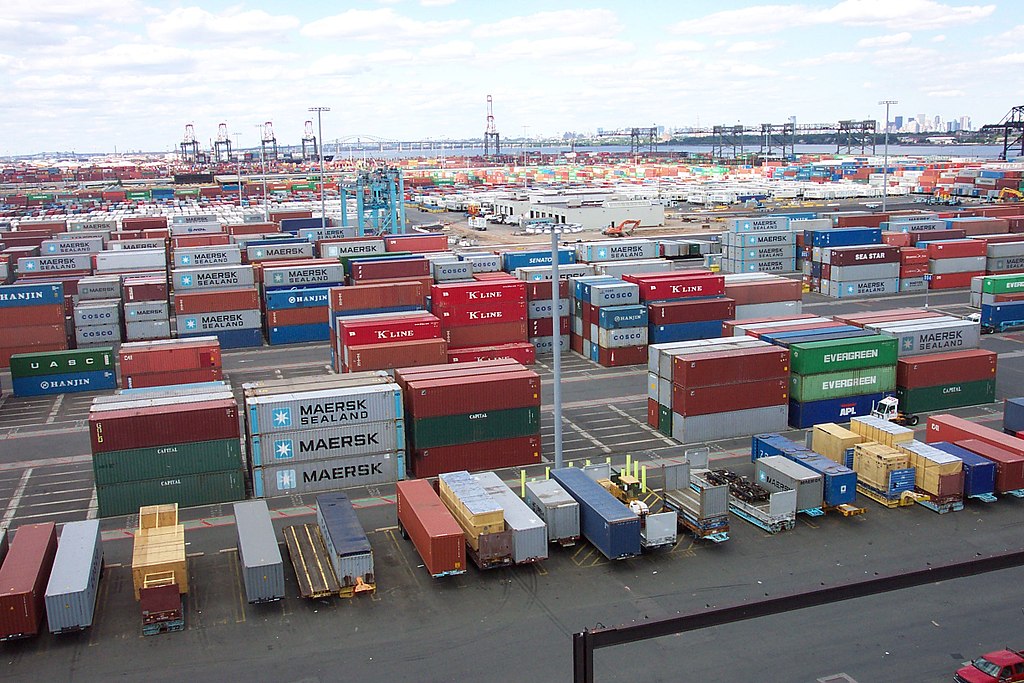
The report further warns that global climate regulations are rapidly changing the economics of international trade. Mechanisms such as the EU’s Carbon Border Adjustment Mechanism (CBAM) are effectively turning carbon emissions into a direct export cost for Indian industry, particularly for steel and aluminium exports. Carbon efficiency, the report notes, is increasingly becoming a determinant of pricing power, competitiveness, and market access rather than merely a compliance consideration.
Rubix also highlights that carbon and energy exposure are becoming increasingly relevant to lenders, insurers, and rating frameworks. As climate disclosure expectations evolve, financial institutions may face growing pressure to incorporate carbon exposure into credit-risk assessment, portfolio evaluation, and underwriting decisions.
Supply-chain emissions are emerging as another major area of concern. The report notes that Scope 3 emissions can significantly exceed direct operational emissions across sectors, making supplier-level carbon transparency and compliance increasingly important for procurement, trade finance, and business continuity decisions.
“A large part of carbon risk will not sit within a company’s own operations, but within its supply chain. Many businesses, which currently view carbon only from the lens of compliance, may discover that their exposure comes indirectly through suppliers, financing relationships, and export dependencies rather than from emissions alone. As global markets increasingly link carbon exposure with pricing, procurement, financing, and market access, business behaviour and investment decisions are also beginning to shift accordingly. India is now moving into that phase, where carbon is gradually becoming more directly connected to competitiveness, supplier evaluation, and long-term commercial viability,” said Mohan Ramaswamy, co-founder & CEO, Rubix Data Sciences.
The report concludes that India’s carbon transition has evolved from an environmental or policy issue to an emerging economic and financial shift that could influence competitiveness, financing costs, supply-chain resilience, and long-term enterprise value across sectors. While the pace of this transition may vary across industries, carbon’s relevance to credit assessment, supplier evaluation, and financial decision-making will continue to increase.
This content is protected by copyright and may not be reused. If you want to cooperate with us and would like to reuse some of our content, please contact: editors@pv-magazine.com.







By submitting this form you agree to pv magazine using your data for the purposes of publishing your comment.
Your personal data will only be disclosed or otherwise transmitted to third parties for the purposes of spam filtering or if this is necessary for technical maintenance of the website. Any other transfer to third parties will not take place unless this is justified on the basis of applicable data protection regulations or if pv magazine is legally obliged to do so.
You may revoke this consent at any time with effect for the future, in which case your personal data will be deleted immediately. Otherwise, your data will be deleted if pv magazine has processed your request or the purpose of data storage is fulfilled.
Further information on data privacy can be found in our Data Protection Policy.