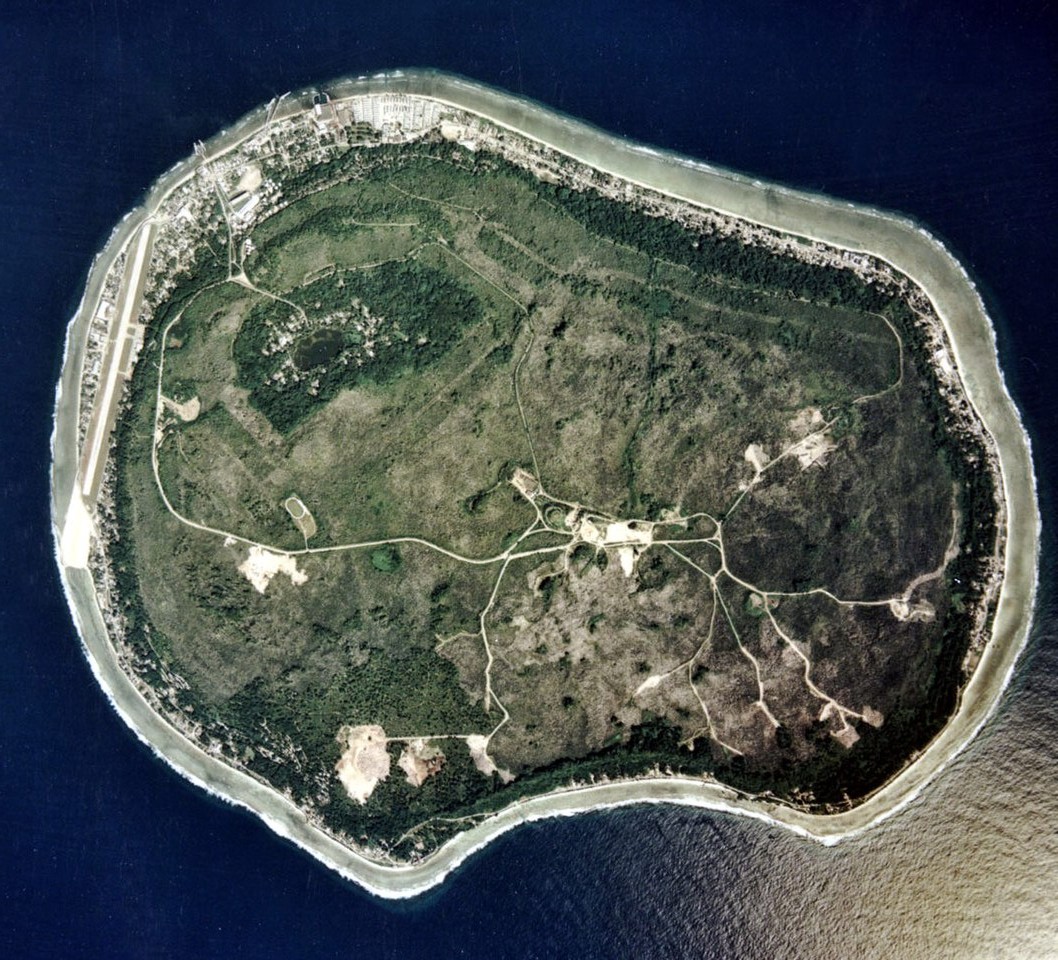





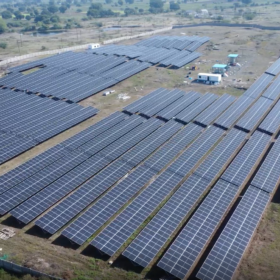
In a bid to rid itself of diesel dependence, the Republic of Nauru has signed a memorandum of understanding with Sydney-based renewables company Smart Commercial Energy (SCE) to develop an 18 MW solar and 40 MWh battery solution for the country.
The 21 square kilometre South Pacific Ocean island nation is located approximately 3,300 kilometres northeast of Australia (ex-Brisbane), and 42 kilometres south of the equator.
The deal was signed during the Smart Energy Conference and Exhibition 2026 in Sydney.
SCE Managing Director and Chief Executive Officer Huon Hoogesteger said signing an MoU with an entire country is not something you do every day.
“The Pacific faces some unique energy challenges, particularly around diesel reliance and energy security,” Hoogesteger said. “We’re proud to be working alongside Nauru and grateful to the Smart Energy Council for helping bring this opportunity together.”
A SCE statement says Nauru currently operates on an energy load of approximately 40 GWh per year, with a standing load of around 2 MW and peak demand reaching 4.5 MW.
It remains heavily dependent on imported diesel for electricity generation, consuming an estimated 7–8 million liters annually, however SCE’s solution would improve energy security, stabilise electricity supply and reduce power costs for the people of Nauru.
The project is being explored as a commercial power purchase agreement (PPA), to allow the system to be funded, built and operated by SCE, with the option for the government and people of Nauru to eventually buy out and own infrastructure themselves.
This content is protected by copyright and may not be reused. If you want to cooperate with us and would like to reuse some of our content, please contact: editors@pv-magazine.com.

By submitting this form you agree to pv magazine using your data for the purposes of publishing your comment.
Your personal data will only be disclosed or otherwise transmitted to third parties for the purposes of spam filtering or if this is necessary for technical maintenance of the website. Any other transfer to third parties will not take place unless this is justified on the basis of applicable data protection regulations or if pv magazine is legally obliged to do so.
You may revoke this consent at any time with effect for the future, in which case your personal data will be deleted immediately. Otherwise, your data will be deleted if pv magazine has processed your request or the purpose of data storage is fulfilled.
Further information on data privacy can be found in our Data Protection Policy.