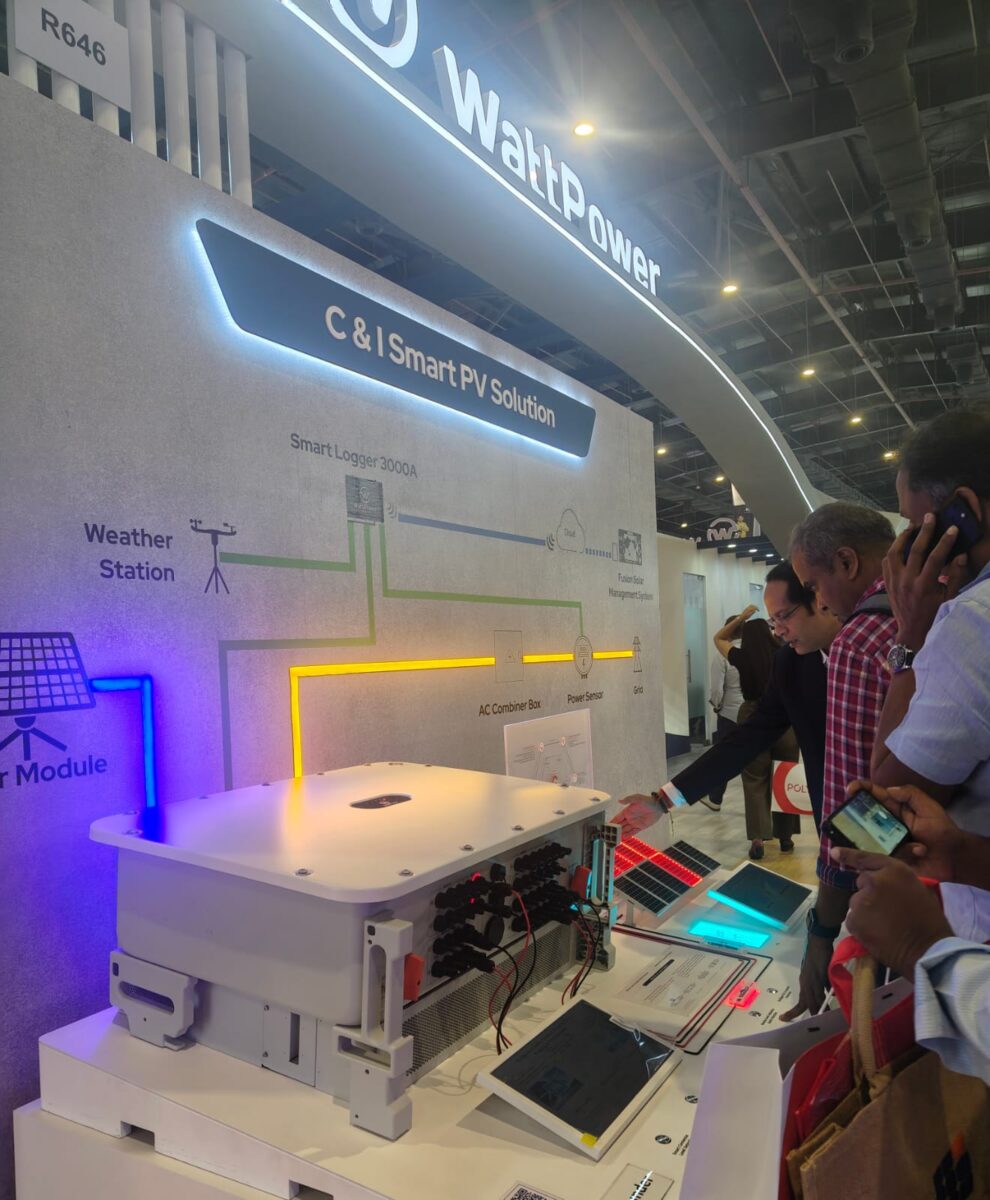





WattPower, which began operations in India in 2022 with a manufacturing unit in Chennai, has sold more than 18 GW of utility-scale string inverters across the country over the last two and a half years. The company said this milestone reflects its Wired for Good approach—delivering renewable energy infrastructure that emphasizes not only scale, but also purpose-driven performance, protection, and long-term grid responsibility.
WattPower has now expanded into the C&I segment with its 150 KTL inverter designed for high-capacity commercial and industrial applications.
The company’s Chennai factory is currently operating at its full annual production capacity of 10 GW. “During the first six months we operated at a lower rate, but since last year we have been running the factory at the full 10 GW annual capacity—and the production is completely sold out,” said Pavit Gandhi, executive vice president–sales at WattPower Systems, told pv magazine.
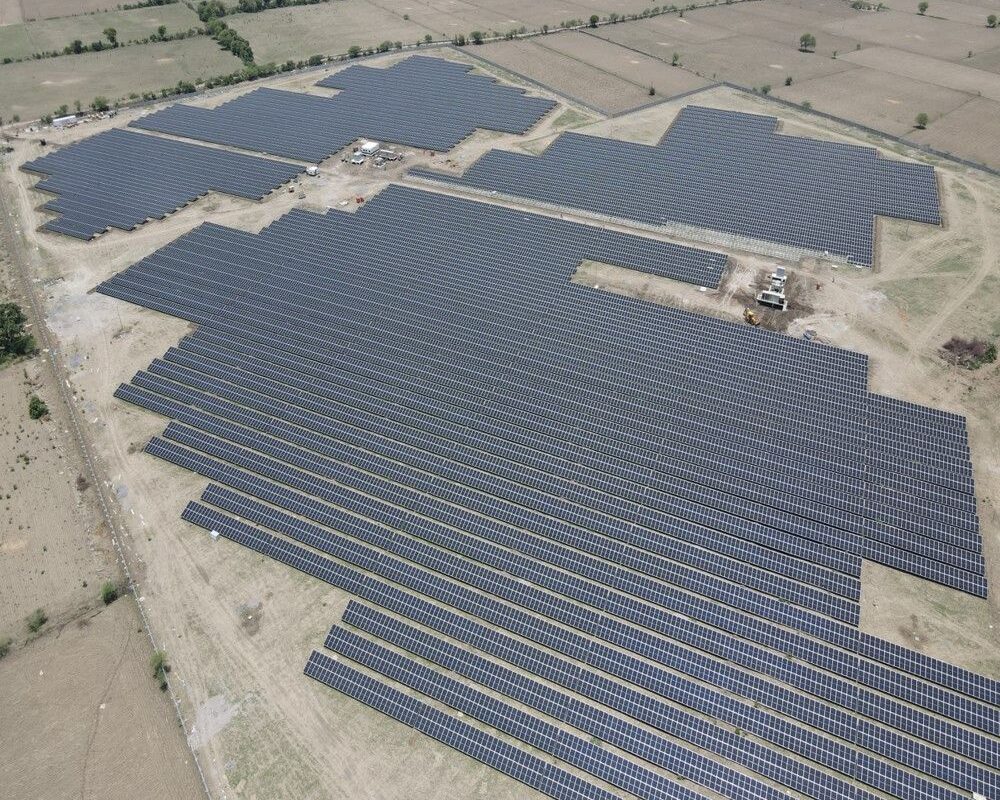
The company’s shipments in the utility-scale segment include supplies to major developers as well as smaller state-level programs such as KUSUM and a range of captive power projects in Rajasthan, Gujarat, and Maharashtra. “Our project sizes range from 1 MW to 500 MW for a single application. For example, in India’s largest solar park, we have supplied more than 7–8 GW in aggregated smaller string-inverter blocks,” Gandhi said adding that the modular string architecture allows precise control at the inverter level—aligning with the company’s Wired for Good philosophy of purposeful energy delivery.
Gandhi noted that while the Indian market remains highly price-sensitive, performance and reliability continue to influence procurement decisions. “With annual sales of around 10 GW, we are the number-one supplier in the utility-scale segment. The second-largest supplier is at about 1.5–2 GW, so there is a significant gap. Demand is strong, competition will continue, and price-conscious customers will always exist, but we believe no one will be able to match our volumes now or in the near future,” he said.
The company is now trying to focus on /looking into BESS solutions with string-based PCS for utility-scale applications, comprising a 5 MWh containerised BESS solution alongside a 214 kW string-based PCS. “Our PCS is unique because it uses a dual-stage architecture—DC/DC and DC/AC—which makes it better suited for grid-forming applications. The future of grid stability lies in grid-forming units, not just grid-supporting ones,” Gandhi added.
This content is protected by copyright and may not be reused. If you want to cooperate with us and would like to reuse some of our content, please contact: editors@pv-magazine.com.




By submitting this form you agree to pv magazine using your data for the purposes of publishing your comment.
Your personal data will only be disclosed or otherwise transmitted to third parties for the purposes of spam filtering or if this is necessary for technical maintenance of the website. Any other transfer to third parties will not take place unless this is justified on the basis of applicable data protection regulations or if pv magazine is legally obliged to do so.
You may revoke this consent at any time with effect for the future, in which case your personal data will be deleted immediately. Otherwise, your data will be deleted if pv magazine has processed your request or the purpose of data storage is fulfilled.
Further information on data privacy can be found in our Data Protection Policy.