




From ESS News
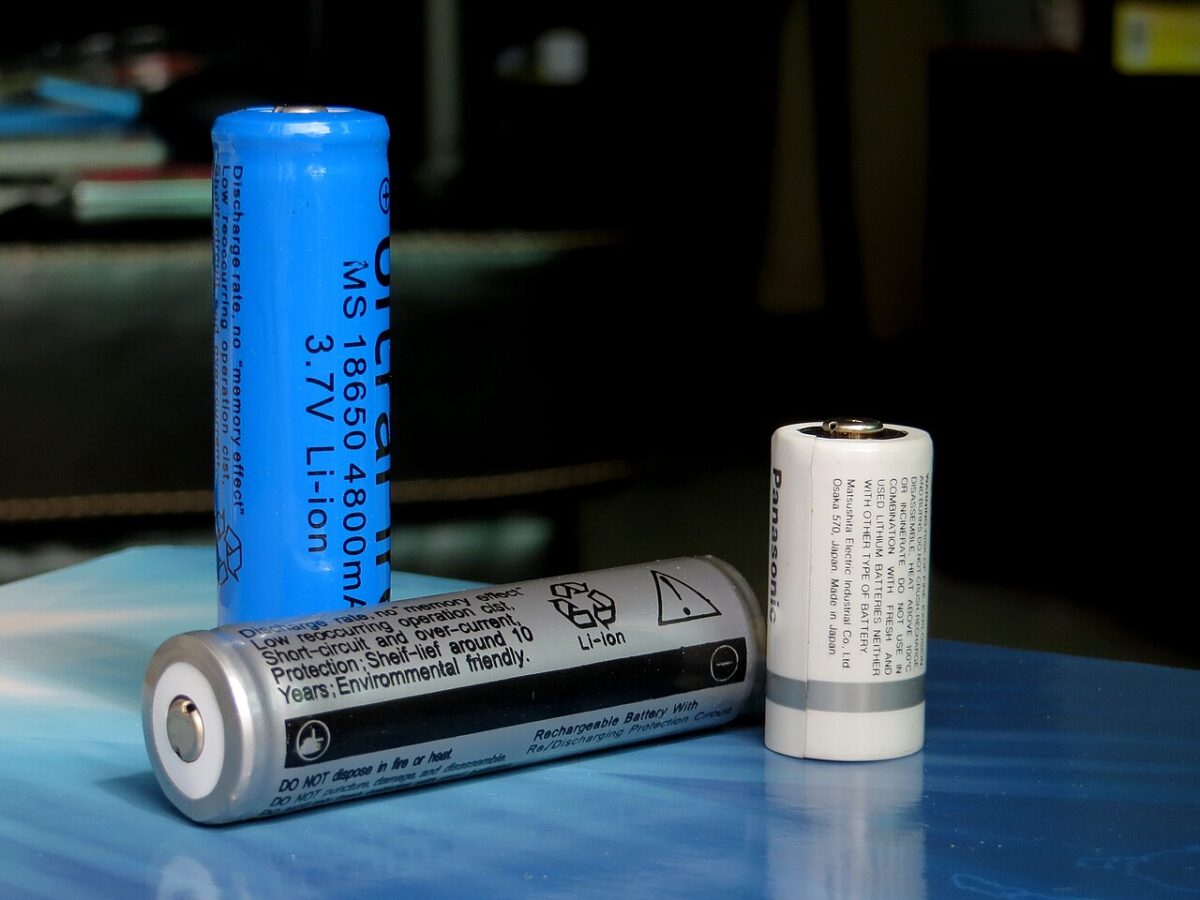
A research team from Batri and Swansea University have built a new cylindrical sodium-ion cell using UK-sourced materials, believed to be the first of its kind.
The 18650-format sodium-ion cell combines chemistries developed by UK-based energy storage company Batri and Swansea University, including Welsh coal-derived composite carbon.
Made using fully UK-manufactured anode and cathode materials, the 18650 cell was hailed as a “strategic milestone” by Stephen Hughes, chief technical officer at Batri, who said it “proves that sovereign battery production is viable and already happening here in Wales.”
The project was supported by the Faraday Institution whose sprint funding contributed to development, testing and the integration of UK-grown materials into a commercial cylinder format. Batri said the demonstration cell marks the beginning of a wider development program, with more cells already in production as the company scales up material manufacturing and in-house cell building capability in Wales.
Batri is working with partners such as AceOn Group to integrate the UK-made sodium-ion cells into swappable packs and custom energy systems.
Mark Thompson, CEO of AceOn Group said the company would partner Batri on the next phase, integrating cells into modular, swappable solutions that are “ready to scale.”
“Batri’s UK-made 18650 breakthrough, backed by Swansea’s world-class materials science, shows the UK can lead in safe, robust alternatives to lead-acid and entry-grade lithium,” said Thompson.
Establishing local materials supply chains has been central to Batri and Swansea University’s collaboration on sodium-ion battery research. The collaboration has included research focusing on how anthracite – a type of hard coal – can deliver high-performance carbonaceous anodes.
This content is protected by copyright and may not be reused. If you want to cooperate with us and would like to reuse some of our content, please contact: editors@pv-magazine.com.




By submitting this form you agree to pv magazine using your data for the purposes of publishing your comment.
Your personal data will only be disclosed or otherwise transmitted to third parties for the purposes of spam filtering or if this is necessary for technical maintenance of the website. Any other transfer to third parties will not take place unless this is justified on the basis of applicable data protection regulations or if pv magazine is legally obliged to do so.
You may revoke this consent at any time with effect for the future, in which case your personal data will be deleted immediately. Otherwise, your data will be deleted if pv magazine has processed your request or the purpose of data storage is fulfilled.
Further information on data privacy can be found in our Data Protection Policy.