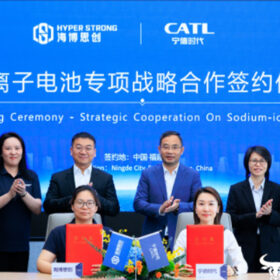
CATL secures world’s largest sodium-ion battery order with Hyperstrong
The two companies announced a 60 GWh supply agreement on Monday, marking a pivotal step in the commercialization of sodium-ion battery technology.
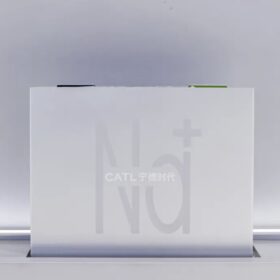
A closer look at CATL’s new sodium-ion battery
The battery manufacturing heavyweight presented its latest sodium-ion products at ESIE 2026 earlier this month, expanding its push into grid-scale storage, AI data centers, and long-life applications.
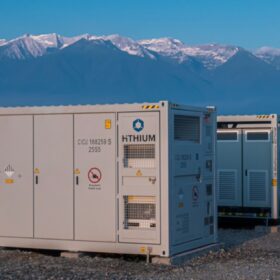
Utility-scale sodium-ion arrives in Romania
Renalfa Power Clusters plans to combine newly acquired solar and battery assets in Romania into a hybrid project using lithium-ion and sodium-ion storage.
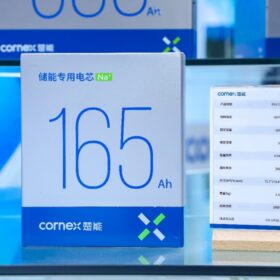
Cornex unveils new 165 Ah sodium-ion prismatic cell for stationary energy storage
A new sodium-ion cell for ESS may further improve competitiveness in large-scale systems against the weight of the lithium-ion battery sector.
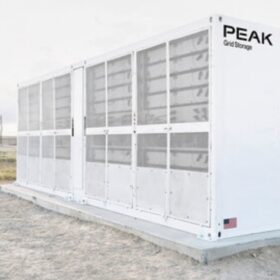
RWE, Peak Energy to deploy first sodium-ion battery in US grid
Peak Energy says it will deploy the first sodium-ion battery in the Midcontinent Independent System Operator (MISO) service area with RWE Americas in eastern Wisconsin, using passively cooled grid-scale storage that cuts auxiliary power use by 90% and lowers lifetime storage costs by $70/kWh.
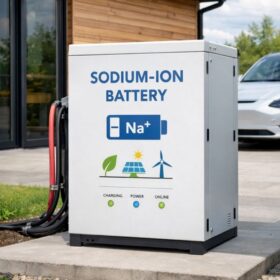
NanoMalaysia unveils sodium-ion prototype surpassing 300 Wh/kg
The new prototype ranks among the most advanced sodium‑ion battery systems reported worldwide.
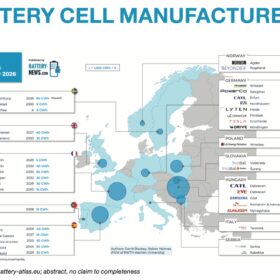
‘Battery Atlas 2026’ maps Europe’s cell, pack and battery manufacturers
The “Battery Atlas 2026” report shows consolidation in Europe’s battery market. More than 2,000 GWh of cell production capacity was announced in 2023, but the realistic forecast for early 2026 is around 1,190 GWh, including approximately 673 GWh led by Asian companies.
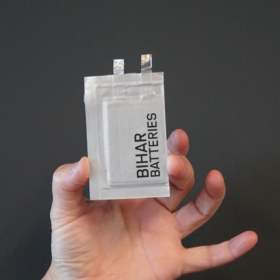
All European sodium-ion battery manufacturers at a glance
The European Economic and Social Committee (EESC) will place sodium batteries at the center of its work on the EU’s industrial strategy and is calling for swift action. pv magazine has compiled a list of manufacturers developing this technology in Europe.
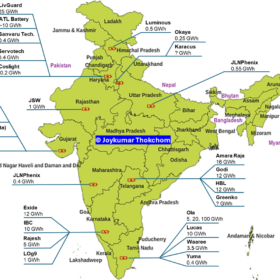
India’s 2030 battery gigafactory ambition: Strengths, bottlenecks and solutions
The number of operational battery gigafactories will increase significantly, with more than 30 manufacturing sites expected to be in operation by 2030, targeting a total production capacity exceeding 290 GWh. However, challenges such as raw material and skilled labor shortages, insufficient R&D investment, and a lack of long-term strategic planning remain.
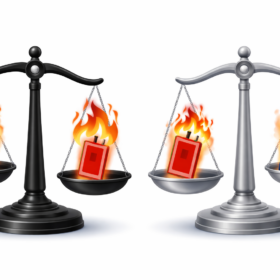
Comparing safety profiles of lithium-ion, sodium-ion and solid-state batteries
New research finds that battery safety rankings are not universal but highly dependent on application scenarios, and shows that LFP batteries can emit high levels of hydrogen fluoride, challenging their reputation as the “safest” chemistry.