SoftBank to make next-gen zinc-halogen battery cells in Japan for AI data centers
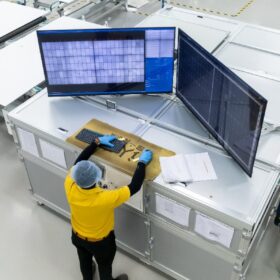
SoftBank’s mobile arm is gearing up to scale the intriguing zinc-halogen battery cell chemistry to 1 GWh annual production.
The impact of fly ash-induced soiling on PV panel performance
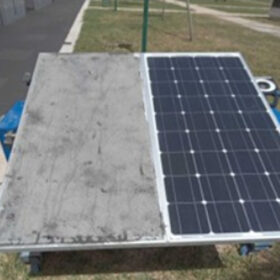
Scientists in Morocco have conceived an experimental–numerical model to quantify how fly ash soiling affects photovoltaic (PV) modules, capturing both optical losses and thermal effects. Their findings show that while dust layers can reduce panel temperature, fly ash significantly degrades efficiency in a non-linear way, highlighting the need for predictive models for real-world solar performance.
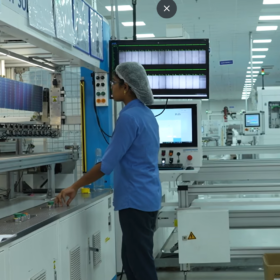
Tata Power reports FY26 PAT of INR 5,118 crore, up 7% YoY
Renewables business PAT increased 59% YoY to INR 1,994 crore (including INR 857 crore from solar cell and module manufacturing unit).

Hybrid energy systems: Combining solar, wind & storage for maximum efficiency
Hybrid energy systems are set to play a crucial role in shaping the future of energy infrastructure. With advancements in smart grid technologies, artificial intelligence, and predictive analytics, these systems will become even more efficient and adaptive. They offer a scalable and sustainable solution to meet rising energy demands while reducing carbon emissions and enhancing energy security.

India’s critical minerals sector faces financing challenges: IEEFA
While the National Critical Mineral Mission (NCMM) aims to create regulatory and institutional enablers to develop the critical minerals supply chain, focused capital expenditure is needed to accelerate large-scale mining, refining, and processing. The NCMM creates intent and incentives, but outcomes will depend on institutional execution.
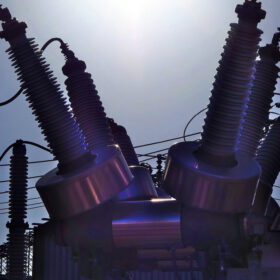
U.S. transformer market faces severe supply constraints
Severe shortages of power transformers are stalling grid expansion as developers face skyrocketing prices and four year wait times for critical equipment.

Coal India scraps solar manufacturing arm
Coal India Ltd said today that the name of its arm CIL Solar PV Ltd has been struck off from the Register of Companies under Section 248(5) of the Companies Act, 2013, and that the subsidiary now stands dissolved.
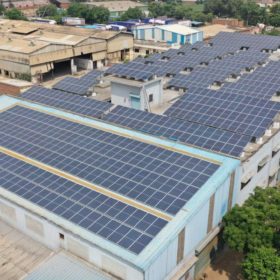
NHPC REL launches rooftop solar tender for govt buildings in Sikkim, Manipur and Nagaland
NHPC Renewable Energy Ltd has invited bids for the selection of rooftop developers to set up grid-connected rooftop solar projects on government buildings in Northeastern states of Sikkim, Manipur and Nagaland under the RESCO model. The selection will be done through tariff-based competitive bidding, along with an e-reverse auction process.
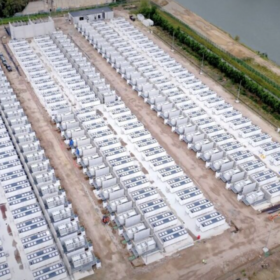
BloombergNEF confirms energy storage has reached the 100 GW era
A record year, and an incredibly strong outlook for the energy storage sector.

World’s smallest island nation advances 18 MW / 40 MWh solar-plus-storage project
In a bid to rid itself of diesel dependence, the world’s smallest island nation of Nauru has signed a landmark memorandum of understanding with Sydney-based Smart Commercial Energy to develop a clean energy solution.