





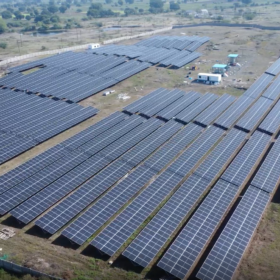
Hybrid energy systems are rapidly emerging as a cornerstone of the global clean energy transition, offering a smarter and more efficient way to harness renewable resources. By integrating solar power, wind energy, and battery storage into a unified system, these solutions address one of the biggest challenges of renewables’ intermittency. Solar energy generation peaks during the daytime, while wind patterns are often stronger at night or during different seasons. When combined, these sources complement each other, ensuring a more balanced and continuous energy output. The addition of energy storage further enhances reliability by storing excess energy during peak production and releasing it when generation is low, thereby ensuring a stable and uninterrupted power supply.
The growing adoption of hybrid systems is closely tied to the rapid expansion of renewable energy worldwide. In 2025, global renewable capacity reached over 5,100 GW, accounting for nearly half of the total installed power capacity. Solar energy alone contributed more than 500 GW of new additions, while wind added close to 160 GW, highlighting the scale at which these technologies are being deployed. India, in particular, has demonstrated strong momentum, adding approximately 44.5 GW of renewable capacity in the same year, with solar leading the growth. As renewable penetration increases, the need for integrated systems that can optimise generation and ensure grid stability becomes more critical, making hybrid energy solutions an increasingly preferred choice for both utility-scale and industrial applications.
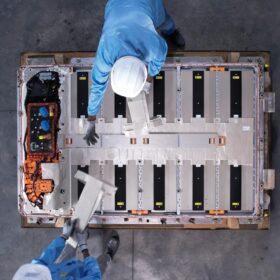
Energy storage plays a pivotal role in unlocking the full potential of hybrid systems. Battery storage technologies, especially lithium-ion systems, allow for efficient energy management by capturing surplus electricity and redistributing it during periods of high demand or low generation. This not only reduces energy wastage but also enhances grid stability by smoothing out fluctuations in power supply. Additionally, storage enables peak shaving, where stored energy is used during peak demand hours, reducing stress on the grid and lowering energy costs. As the cost of battery technologies continues to decline and their efficiency improves, their integration into hybrid systems is becoming more economically viable and widespread.
One of the most significant advantages of hybrid energy systems is their ability to enhance overall efficiency and reliability compared to standalone renewable installations. By combining multiple energy sources, these systems achieve higher capacity utilisation and reduce dependency on fossil fuel-based backup power. They are particularly beneficial for remote and off-grid areas, where a consistent electricity supply can be challenging. Furthermore, hybrid systems support energy autonomy for industries, enabling them to manage power consumption more effectively while meeting sustainability goals. Studies suggest that such integrated approaches can significantly lower operational costs and improve energy resilience over the long term.
From a market perspective, hybrid energy systems are witnessing strong growth, driven by increasing investments and supportive government policies. The global hybrid solar-wind market is projected to surpass USD 2.3 billion by 2032, with further expansion expected as demand for reliable and clean energy rises. Large-scale adoption is being led by utilities and industrial sectors, which together account for a significant share of installations. Governments across the world, including India, are actively promoting hybrid projects through favourable policies, incentives, and renewable energy targets, recognising their potential to accelerate the transition toward a low-carbon economy.
Looking ahead, hybrid energy systems are set to play a crucial role in shaping the future of energy infrastructure. With advancements in smart grid technologies, artificial intelligence, and predictive analytics, these systems will become even more efficient and adaptive. They offer a scalable and sustainable solution to meet rising energy demands while reducing carbon emissions and enhancing energy security. As the world continues to shift toward cleaner energy sources, hybrid systems that combine solar, wind, and storage will not only maximise efficiency but also redefine how power is generated, distributed, and consumed in the years to come.
The views and opinions expressed in this article are the author’s own, and do not necessarily reflect those held by pv magazine.
This content is protected by copyright and may not be reused. If you want to cooperate with us and would like to reuse some of our content, please contact: editors@pv-magazine.com.

By submitting this form you agree to pv magazine using your data for the purposes of publishing your comment.
Your personal data will only be disclosed or otherwise transmitted to third parties for the purposes of spam filtering or if this is necessary for technical maintenance of the website. Any other transfer to third parties will not take place unless this is justified on the basis of applicable data protection regulations or if pv magazine is legally obliged to do so.
You may revoke this consent at any time with effect for the future, in which case your personal data will be deleted immediately. Otherwise, your data will be deleted if pv magazine has processed your request or the purpose of data storage is fulfilled.
Further information on data privacy can be found in our Data Protection Policy.