




For decades, the “energy trilemma” – balancing energy security, affordability, and environmental sustainability – has shaped how nations think about energy strategy. For much of the Global South, it has served as a practical compass. But today, that compass may no longer be sufficient.
A series of recent disruptions in global energy markets—ranging from supply chain frictions to price volatility—has highlighted a familiar reality: energy systems remain deeply exposed to geopolitical undercurrents. While such cycles have always existed, their increasing frequency and complexity are prompting a quiet reassessment. The question is no longer just how to balance the trilemma, but whether the framework itself needs updating.
Historically, energy systems were defined by two core expenditures: upfront capital investment and ongoing fuel procurement. Consider the coal-fired power plant. Governments or utilities invested heavily in infrastructure, followed by decades of fuel dependence. Once operational, the plant required annual procurement of coal – sourced either domestically or through imports – making energy security synonymous with securing reliable fuel flows. Even hydro and nuclear systems followed similar patterns, combining long-term capital commitments with sustained resource dependencies.
In this paradigm, geopolitical risks were largely mediated through fuel. Disruptions translated into price spikes or supply shortages, which countries managed through diversification, contracts, and reserves—tools that, while imperfect, provided flexibility.
That logic is now shifting.
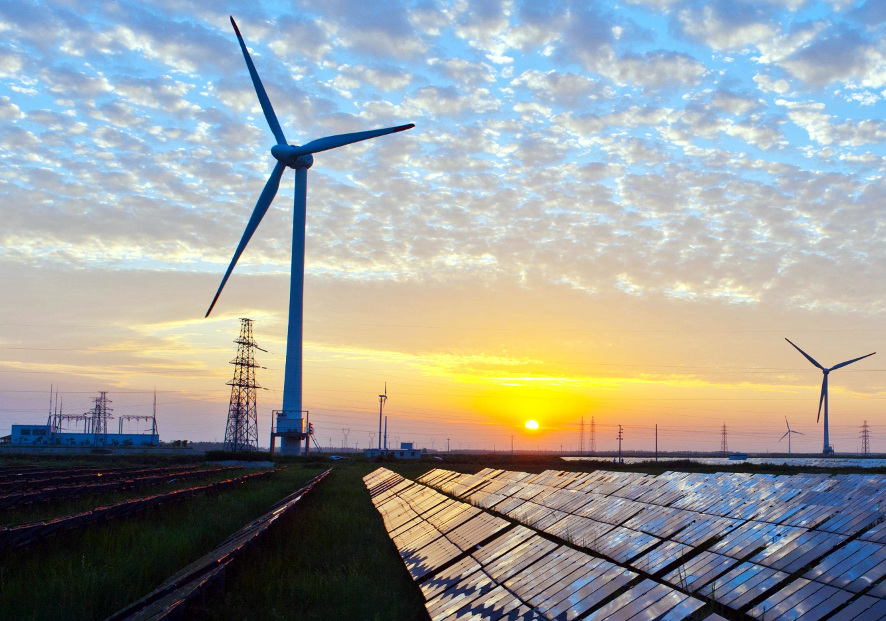
The rise of solar PV, wind, batteries, and electrolyzers is transforming the economics of energy. Once installed, these systems significantly reduce recurring fuel dependencies. In their place, a different set of considerations is emerging: technology choice, system integration, lifecycle management, and long-term service reliability. The focus is moving from securing fuels to ensuring access to, and control over, the technologies themselves.
This shift raises a subtle but important question: are we entering an era where technology considerations stand alongside fuel in defining energy security?
Early signals suggest so. In one instance, the suspension of services by a global software provider disrupted operations at an energy facility—illustrating how tightly coupled modern systems can be. Unlike traditional fuel markets, where alternatives could often be sourced with relative ease, technology ecosystems tend to be more integrated and less interchangeable. Proprietary software, specialized components, and limited interoperability can make substitution slower and more complex.
As a result, “technology security” is beginning to emerge as a meaningful extension of traditional energy security. Discussions today often focus on critical minerals, but the concentration of intellectual property, manufacturing capabilities, and technical expertise within a limited set of firms and geographies is equally consequential. Without addressing these dimensions, the Global South may find itself navigating new forms of dependency—less visible than fuel imports, but potentially just as constraining.
A Structural Reality Check
For many countries in the Global South, this transition brings underlying structural challenges into sharper focus. With the exception of a few manufacturing hubs, much of the region has historically specialised in deploying rather than developing energy technologies.
A More Nuanced Geopolitics
At the same time, the geopolitical landscape around energy is becoming more nuanced. Supply chains are increasingly viewed through the lens of resilience and diversification.
From Trilemma to Quadrilemma
These shifts suggest that the traditional energy trilemma may need to evolve. For the Global South, a more complete framework could take the form of a quadrilemma—balancing security, affordability, sustainability, and technology access.
If the last century was defined by access to fuels, the next may well be defined by access to technology—and those who shape it will shape the future of energy itself.
About the Author
Kowtham Raj is a Climate Fellow at Yale Jackson School of Global Affairs.
The views and opinions expressed in this article are the author’s own, and do not necessarily reflect those held by pv magazine.
This content is protected by copyright and may not be reused. If you want to cooperate with us and would like to reuse some of our content, please contact: editors@pv-magazine.com.




By submitting this form you agree to pv magazine using your data for the purposes of publishing your comment.
Your personal data will only be disclosed or otherwise transmitted to third parties for the purposes of spam filtering or if this is necessary for technical maintenance of the website. Any other transfer to third parties will not take place unless this is justified on the basis of applicable data protection regulations or if pv magazine is legally obliged to do so.
You may revoke this consent at any time with effect for the future, in which case your personal data will be deleted immediately. Otherwise, your data will be deleted if pv magazine has processed your request or the purpose of data storage is fulfilled.
Further information on data privacy can be found in our Data Protection Policy.