





The world is entering its next big energy transition, and this time, the shift will not be driven only by how much renewable power we produce, but by how intelligently we store and use it. This is where tech-enabled, solar-compatible Battery Energy Storage Systems (BESS) are set to become true game-changers.
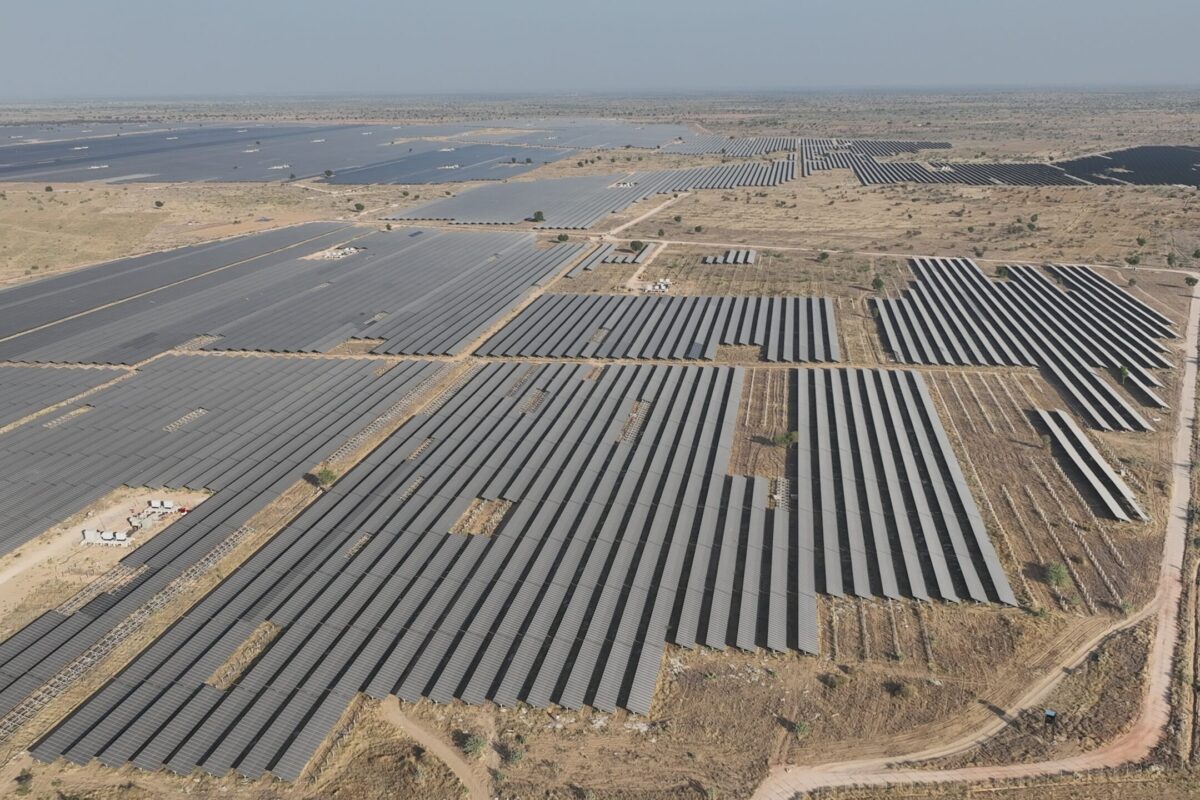
Solar power today is one of the fastest-growing sources of clean energy globally. But it comes with one fundamental challenge: the sun does not shine 24×7. In many markets, solar generation peaks at midday, while electricity demand peaks in the evening. This mismatch means that a significant portion of solar energy in some regions, up to 20–30% is either wasted or undervalued.
BESS solves this problem by storing excess solar power generated during the day and releasing it exactly when it is needed most. In doing so, it transforms solar from an intermittent source into a dependable resource.
The scale of opportunity in storage is enormous, and the numbers reflect that reality:
- The global BESS market is expected to more than double from around $50 billion in 2025 to over $105 billion by 2030
- India alone is projected to require over 400 GWh of storage capacity by 2032
- Renewable projects worldwide are now being designed with storage as an integrated component rather than an add-on
Together, these trends point to one clear direction — storage is rapidly becoming the backbone of the modern energy system.
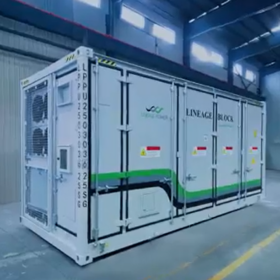
But the real revolution lies in technology-driven storage. Today’s BESS is far more than a battery pack. It is an intelligent energy platform powered by software, data analytics, IoT connectivity, AI-enabled forecasting, and advanced battery management tools. These systems can predict demand patterns, optimise charging cycles, reduce inefficiencies, and support grid stability during peak loads. With the right digital controls, overall system performance can improve by as much as 25–30%, turning renewable power into a reliable and responsive energy resource.
Pairing solar energy with BESS also makes compelling economic sense. When energy can be stored and released during peak demand periods, revenue potential increases significantly in some cases by over 150% because power is supplied when market prices are highest. This creates strong financial drivers for utilities, industries, commercial users, and infrastructure developers to adopt storage-backed renewable systems.
Beyond economics, BESS delivers a powerful resilience advantage. It plays a key role in grid balancing, frequency regulation, and emergency backup during outages. As climate-driven weather disruptions and extreme heat events increase worldwide, an uninterrupted power supply shifts from being optional to absolutely essential.
At the same time, sustainability must remain central to the growth of storage. Advancements in battery reuse, refurbishment, and responsible recycling will allow storage capacity to expand without increasing environmental burden. Second-life battery applications and raw material recovery will support a cleaner, circular ecosystem that strengthens both energy security and environmental responsibility.
As battery technology evolves and electrification accelerates, especially across mobility, logistics, and distributed power networks, storage will increasingly move closer to where energy is consumed. From fleets and charging hubs to micro-grids and remote communities, decentralised storage will become an everyday pillar of the world’s energy infrastructure.
Leap Forward
- The next clean-energy boom will be driven not only by renewable generation but by intelligent storage
- Tech-enabled, solar-compatible BESS will make clean energy predictable, resilient, and commercially viable at scale
- Future energy systems will be smarter, decentralised, and digitally optimised
- And increasingly, the world will store energy before using it
The next leap in the global energy story will be defined by how intelligently we store and deploy clean power. This future is not distant; it is already being built.
The views and opinions expressed in this article are the author’s own, and do not necessarily reflect those held by pv magazine.
This content is protected by copyright and may not be reused. If you want to cooperate with us and would like to reuse some of our content, please contact: editors@pv-magazine.com.





By submitting this form you agree to pv magazine using your data for the purposes of publishing your comment.
Your personal data will only be disclosed or otherwise transmitted to third parties for the purposes of spam filtering or if this is necessary for technical maintenance of the website. Any other transfer to third parties will not take place unless this is justified on the basis of applicable data protection regulations or if pv magazine is legally obliged to do so.
You may revoke this consent at any time with effect for the future, in which case your personal data will be deleted immediately. Otherwise, your data will be deleted if pv magazine has processed your request or the purpose of data storage is fulfilled.
Further information on data privacy can be found in our Data Protection Policy.