




From pv magazine Global
Sodium-ion batteries are becoming a key focus for the European Union (EU), and the next EU budget must provide funding for the sector, according to European Economic and Social Committee (EESC) President Séamus Boland.
“Sodium batteries, and batteries in general, are key to the EU’s competitive advantage, and it is urgent that the next Multiannual Financial Framework (MFF) recognizes this by providing the necessary funds for the sector,” Boland said. The MFF, the EU’s long-term spending plan, typically covers seven years. The next cycle will run from 2028 to 2034.
The EESC considers sodium batteries a strategically important technology and wants them to become a central element of the EU’s industrial strategy. The advisory body highlighted that sodium-ion technology can offer a cheaper and environmentally friendly alternative to lithium-ion batteries.
The EESC has called for an updated battery policy and an “industrial pathway” encompassing both lithium and sodium technologies. This would include investment in capabilities and companies, along with public support mechanisms ranging from grants and tax incentives to joint public-private research and development. Support for sodium-based storage would also reduce the EU’s exposure to supply chain vulnerabilities, the committee noted, since sodium is widely available across the continent.
“China is currently the world leader in battery technology, having invested €1.2 billion in research and innovation over the past ten years,” said Fabrice Stassin, Secretary General of the European Battery Alliance Association (BEPA). “Our journey has only just begun. We need to build on our existing strengths, ensure that innovation translates into production, and reinforce what works with strategic support.”
The European Energy Committee (EEC) is expected to continue addressing sodium batteries in upcoming opinions and stakeholder discussions. It also plans a dedicated study “aimed at firmly placing sodium batteries on Europe’s industrial agenda.”
Made in Europe
In 2025, the International Renewable Energy Agency (IRENA) reported that sodium-ion (SIB) batteries could offer significant cost savings in applications such as electric vehicles and large-scale energy storage. Some manufacturers expect the cost of SIB cells to fall to as low as $40/kWh once production scales up.
Several European manufacturers have invested in the technology. Leading companies currently operating or close to commercial production include:
-
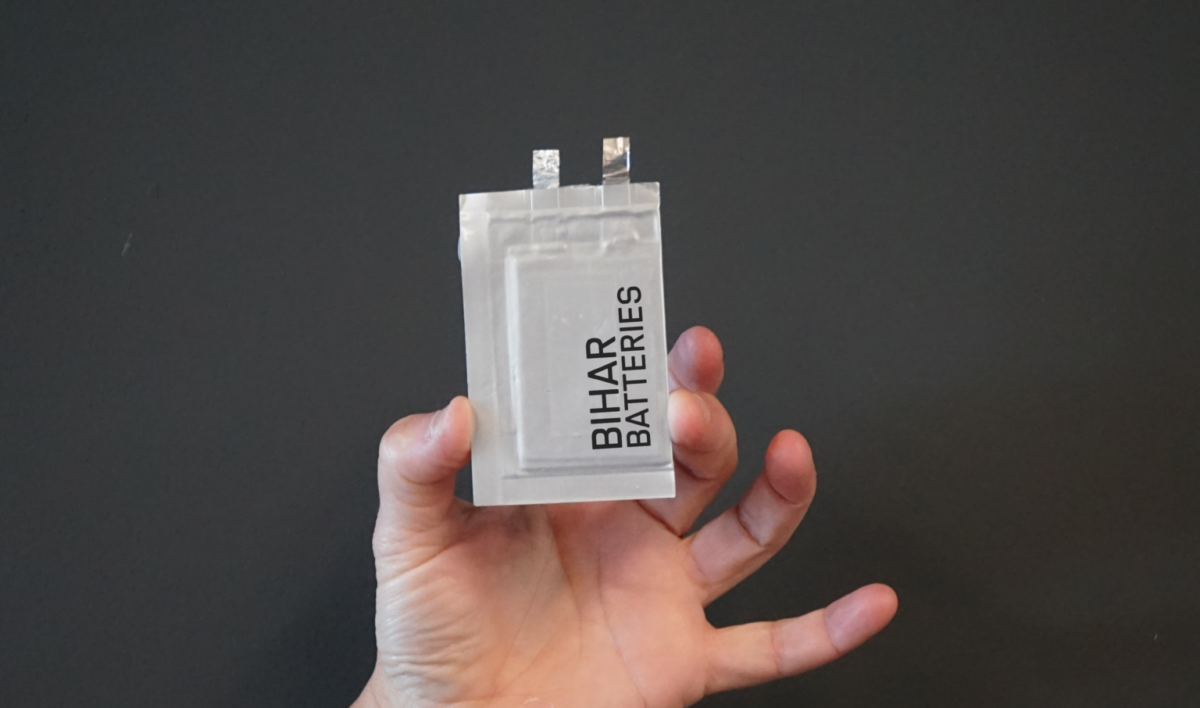
Bihar Batteries (Spain): Startup planning to market sodium-ion batteries in 2026.
-
Tiamat Energy (France): Specializes in high-power cells with 5-minute fast charging; launched a 6 GWh production line in late 2023.
-
Altris AB (Sweden): Produces commercial cells with performance comparable to lithium iron phosphate (LFP); partners with Draslovka to scale production in the Czech Republic.
-
Faradion Limited (UK): Global pioneer in affordable transportation and stationary storage solutions; now owned by Indian group Reliance.
-
Phenogy (Switzerland): Recently exited stealth mode by installing Europe’s largest sodium storage system (around 1 MWh) in Germany.
-
AMTE Power (UK): Focused on high-performance sodium cells for niche applications; in early 2024, FRP Advisory sold its assets to Dutch company LionVolt.
-
LiNa Energy (UK): Developing alternative solid-state sodium technologies.
This content is protected by copyright and may not be reused. If you want to cooperate with us and would like to reuse some of our content, please contact: editors@pv-magazine.com.



By submitting this form you agree to pv magazine using your data for the purposes of publishing your comment.
Your personal data will only be disclosed or otherwise transmitted to third parties for the purposes of spam filtering or if this is necessary for technical maintenance of the website. Any other transfer to third parties will not take place unless this is justified on the basis of applicable data protection regulations or if pv magazine is legally obliged to do so.
You may revoke this consent at any time with effect for the future, in which case your personal data will be deleted immediately. Otherwise, your data will be deleted if pv magazine has processed your request or the purpose of data storage is fulfilled.
Further information on data privacy can be found in our Data Protection Policy.