





When we talk about India’s energy transition, the imagery is almost always the same. We picture vast hectares of shimmering solar panels in the deserts of Rajasthan, or the majestic sweep of wind turbines along the coast of Tamil Nadu. These are the celebrities of the Net Zero movement, the visible symbols of India’s march toward its ambitious goal of 500 GW of non-fossil fuel capacity by 2030.
But as a manufacturer sitting at the heart of the power sector, we see a different reality. We see the heavy lifting happening behind the scenes. We operate on the principle that every watt saved is a watt generated. It is important to remember that a transformer never generates power; its sole function is the precise conversion of voltage. Yet, it is this specific equipment that takes that raw potential and actually delivers it.
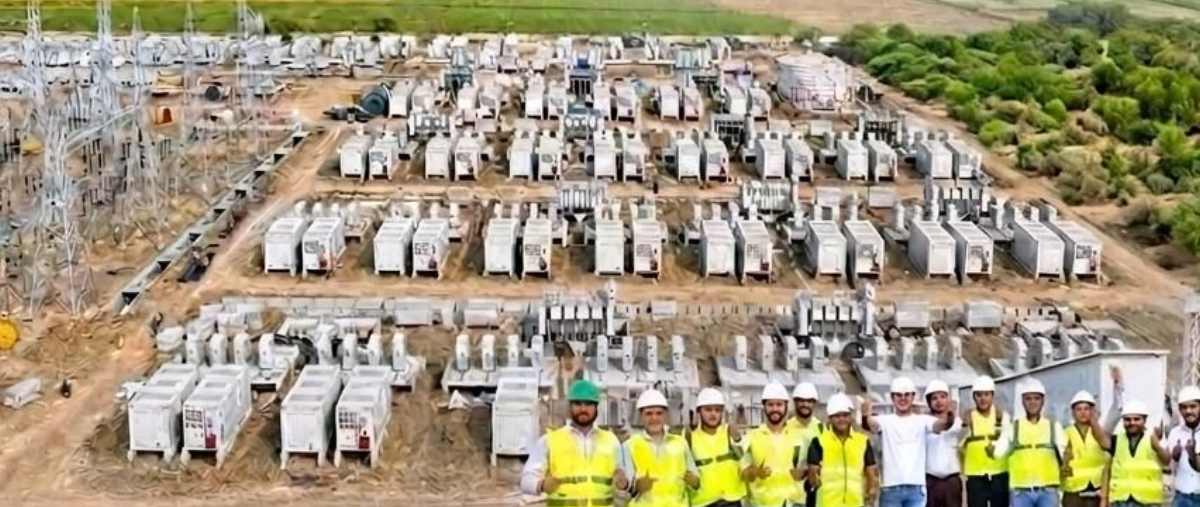
The reality is simple: You can cover the subcontinent in solar panels, but without a robust, modernised fleet of transformers to step that voltage up for transmission and down for distribution, that green energy is essentially stranded. Transformers are the backbone of India’s energy transition, yet they rarely share the spotlight.
It is time we changed that narrative.
To the average consumer, a transformer is just a grey metal box humming quietly behind a fence. To us, it is the most critical node in the grid.
India is currently undertaking one of the largest grid expansions in human history. We are building the “Green Energy Corridor”, a massive transmission network designed to evacuate power from renewable-rich states to high-consumption industrial centers.
This is not business as usual. Renewable energy behaves differently than traditional coal or thermal power. It is intermittent and unpredictable. Solar peaks at noon; wind often peaks at night. This fluctuation creates tremendous stress on grid stability. As manufacturers, we are no longer just building static electrical machines; we are engineering resilience.
If the solar farm is the heart pumping energy, the transformers are the arteries determining if the system can handle the pressure. Without high-capacity, high-efficiency transformers, the grid simply cannot absorb the massive influx of green electrons.
There is an irony in the energy transition: we cannot build a green grid using “brown” equipment. As a responsible manufacturer, we are acutely aware that our own footprint matters.
The industry is moving away from mineral oils, which have been the standard for insulation for a century, toward natural and synthetic ester fluids. These are biodegradable and have higher fire safety points crucial for transformers located in crowded Indian cities or near forests.
Furthermore, the push for energy efficiency (low-loss transformers) is non-negotiable. An inefficient transformer runs 24/7, silently wasting energy in the form of heat (core losses). By utilizing high-grade CRGO (Cold Rolled Grain Oriented) electrical steel and precision winding techniques, we are shaving off those losses. In a grid the size of India’s, even a 0.5% efficiency gain across the transformer fleet translates to megawatts of power saved.
As we look toward 2030 and beyond, the demands on transformers will only increase. The grid is becoming bi-directional.
With the rise of Electric Vehicles (EVs) and rooftop solar, consumers are becoming “prosumers” generating their own power and feeding it back into the grid. The transformer at the end of your street, which used to push power only one way (to your home), must now handle power flowing both ways.
This requires a fundamental rethink of distribution transformer design. We are preparing for a future where transformers are dynamic energy hubs, stabilizing a grid that is constantly fluctuating between charging EVs and absorbing solar export.
India’s energy goals are not just targets on a spreadsheet; they are a promise of a cleaner, self-reliant future. But hitting 500 GW isn’t just about erecting solar panels. It is about the copper coils, the laminated steel cores, and the engineering precision that binds them together.
The transformer manufacturers, are the enablers of this transition. They may not make the front page of the newspapers, and their equipment may be hidden in substations far from the public eye. But make no mistake: when you switch on a light powered by the Rajasthan sun or the Tamil Nadu wind, it is a transformer that makes the connection possible.
We are ready to build the backbone of the new India.
The views and opinions expressed in this article are the author’s own, and do not necessarily reflect those held by pv magazine.
This content is protected by copyright and may not be reused. If you want to cooperate with us and would like to reuse some of our content, please contact: editors@pv-magazine.com.



By submitting this form you agree to pv magazine using your data for the purposes of publishing your comment.
Your personal data will only be disclosed or otherwise transmitted to third parties for the purposes of spam filtering or if this is necessary for technical maintenance of the website. Any other transfer to third parties will not take place unless this is justified on the basis of applicable data protection regulations or if pv magazine is legally obliged to do so.
You may revoke this consent at any time with effect for the future, in which case your personal data will be deleted immediately. Otherwise, your data will be deleted if pv magazine has processed your request or the purpose of data storage is fulfilled.
Further information on data privacy can be found in our Data Protection Policy.