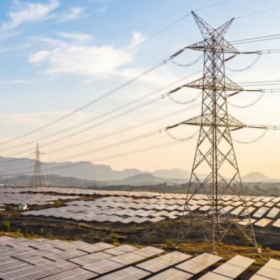
NREL scientists estimate global potential of hydro-linked floating PV at up to 7.5 TW
The U.S. based researchers said linking solar with hydro in a full hybrid system configuration may result – at best – in the deployment of 7,593 GW for an estimated annual power generation of 10,616 TWh and a 20% reservoir coverage. And combining solar with hydro in this way brings further benefits, including improved system operation at different time scales, more opportunities for storage thanks to pumped hydro, increased utilization rates of transmission lines, reduced PV curtailment, and lower interconnection costs and water evaporation.

Financing solar projects amid the Covid-19 crisis – thinktank interview
Vaibhav Pratap Singh, senior analyst at the CEEW Centre for Energy Finance, tells pv magazine about the impact of the Covid-19 pandemic on the Indian solar sector, green finance and investment down the line.

Pumped electricity storage makes a comeback in India, and the world is taking note
India’s energy storage juggernaut is on a roll with the country discovering the cheapest renewables cum storage tariff in history, anywhere in the world. The technology chosen is pumped storage. And by setting up an enabling environment, the government has signalled its commitment to boosting the market!

Coupling pumped hydro with renewables and other storage technologies
The combination of pumped hydro with other storage technologies can increase renewables penetration, improve operational safety and reduce maintenance costs at large-scale hydropower plants, according to new research. The study also focuses on techniques to determine the optimal size of renewables-based pumped hydro storage systems. Costs for hybrid solar-pumped hydro projects currently range from $0.098/kWh to $1.36/kWh.
IEEFA: India needs a multi-technology approach to renewables integration
In addition to accelerated deployment of battery based energy storage systems, the country needs to look at a combination of technologies to manage peak electricity demand whilst maintaining grid stability at least overall cost.
Madhya Pradesh tenders 500 MW grid-scale energy storage
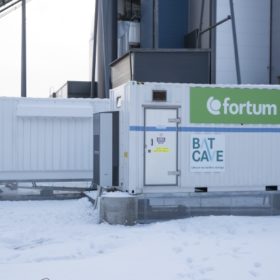
State-owned Madhya Pradesh Power Management Company Limited (MPPMCL) has invited domestic and global players for providing grid-scale energy storage services of up to 500 MW with 8 hours of daily discharge and setting up a storage manufacturing facility in the state. The deadline for proposal submission is August 2.

India would gain from differential electricity tariffs
More flexible prices during peak periods would incentivize the use of energy during times of lower demand and reduce the burden on the grid, according to a report by IEEFA. Day-ahead market pricing would better incentivize variable generation to ‘kick in’ at times of peak demand.
India could generate all of its power from renewables by 2050
A renewable energy system in 2050 is technically possible and economically viable for India, with the levelized cost of electricity falling from the current €58/MWh (Rs4,626) to €52 under one scenario in a recent report, and to €46 in another that included demand for power, water desalination and non-energy industrial gas sectors.