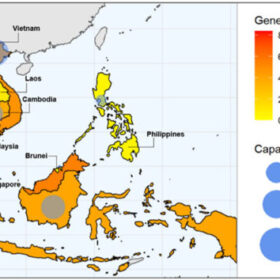
The potential for floating solar in Southeast Asia
The US National Renewable Energy Laboratory (NREL) and its partners have assessed the technical potential for floating PV throughout Southeast Asia.
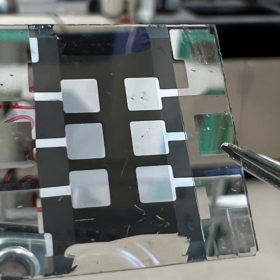
All-perovskite tandem solar cell with 27.1% efficiency via gas quenching
The US National Renewable Energy Laboratory (NREL) has achieved remarkable efficiency and stability for a wide-bandgap all-perovskite tandem solar cell. The scientist developed the device with an inverted architecture and used gas quenching instead of an antisolvent in the manufacturing process.
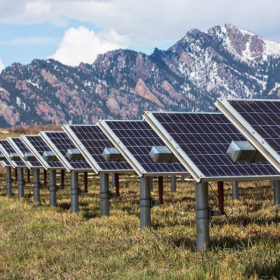
Cooling down solar modules by increasing space between panel rows
A US research team claims to have demonstrated that increasing the spacing of solar panels between rows improves PV system efficiency and economics by allowing airflow to cool down the modules. The method could improve a project’s LCOE by as much as 2.15% in certain climates.
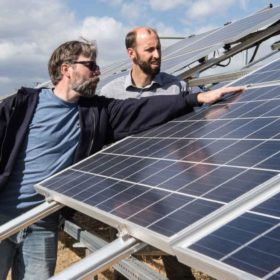
How long do rooftop residential solar panels last?
Multiple factors affect the productive lifespan of a residential solar panel. In the first part of this series, we look at the solar panels themselves.
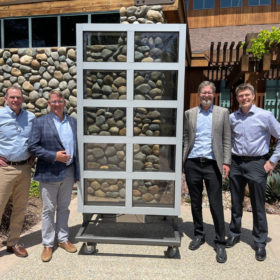
Comparing performance of transparent solar windows to traditional windows
The results of the study by Wells Fargo Foundation and NREL initiative showed that PV-coated windows can appreciably lower the solar heat gain coefficient.
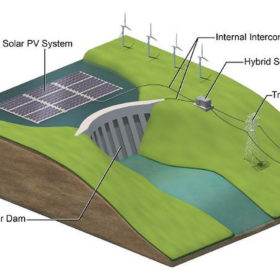
Hybridizing floating solar with hydropower
Scientists from the National Renewable Energy Laboratory (NREL) have said that the combination of floating solar with hydropower could reduce PV curtailment.
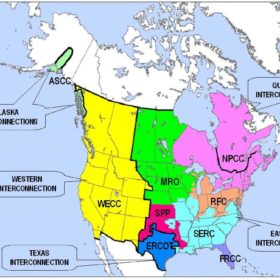
Cheapest long-duration storage for systems with high renewables
National Renewable Energy Laboratory researchers have studied which tech offers the lowest levelized cost of energy to provide the US Western Interconnection grid with electricity when wind and solar are not available. They assumed 85% renewables penetration and determined that geologic hydrogen storage and natural gas combined-cycle plants with carbon capture storage are the cheapest options for 120-hour discharge applications.
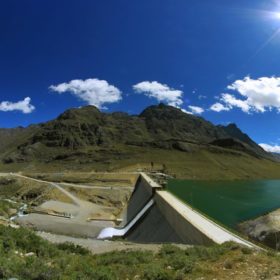
NREL scientists estimate global potential of hydro-linked floating PV at up to 7.5 TW
The U.S. based researchers said linking solar with hydro in a full hybrid system configuration may result – at best – in the deployment of 7,593 GW for an estimated annual power generation of 10,616 TWh and a 20% reservoir coverage. And combining solar with hydro in this way brings further benefits, including improved system operation at different time scales, more opportunities for storage thanks to pumped hydro, increased utilization rates of transmission lines, reduced PV curtailment, and lower interconnection costs and water evaporation.
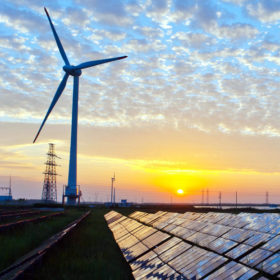
NREL scientists encourage ‘optimal’ PV curtailment
Solar curtailment might become a valuable aspect of future PV deployment, particularly if grid operators start focusing on ‘curtailment management’ instead of ‘curtailment prevention.’ Management would include measures such as flexible generation, storage, load flexibility, and regional coordination.
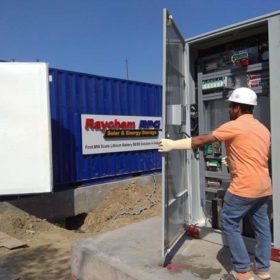
Designing behind-the-meter solar-plus-storage program for India
A new report outlines key considerations for Indian regulators and other stakeholders when designing behind-the-meter distributed solar-plus-storage system programs, based on evidence from similar programs in the United States.