



A new report pegs India’s industrial decarbonization market at over $100 billion by 2030. Despite the massive scale, this space is still heavily undercapitalized with current funding at less than half (40%) of the levels seen in more developed economies.
Currently, India’s annual energy import bill stands at $140 billion, making it highly vulnerable to geopolitical shocks. The report says cost efficiency will be the primary driver of energy independence over the coming decade.
This first part of the report (built from insights from 50+ founders and 15+ industry leaders) breaks down three critical areas where they see the highest impact for tech and investment:
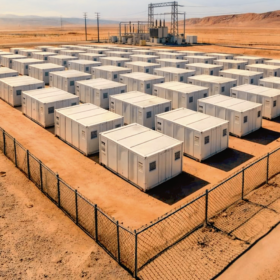
- Long-duration energy storage: Leveraging sodium-ion, vanadium redox flow, and thermal batteries to build out the energy storage stack and reduce reliance on foreign raw materials.
- Industrial IoT & digital twins: Using AI to improve process efficiency, retrofitting legacy manufacturing equipment to make it “smart,” and building equipment “co-pilots” to bridge the technician skill gap.
- Energy efficiency: High-potential tech like HVAC retrofits, advanced insulation materials, waste heat recovery, and full-stack energy management to lower soaring power costs.
“India’s decarbonisation journey is not just about adding renewable capacity. It equally depends on how efficiently energy is utilised across the industry,” said Ravi Jain, Investment Director at TDK Ventures. “We see a generational investment opportunity in building the energy storage stack, deploying industrial intelligence at scale and advancing efficiency technologies. This opportunity is large, undercapitalised and accelerating, and we are committed to being a long-term partner to the entrepreneurs leading it.”
“India is at a defining moment in its energy transition, and the opportunity for founders and investors is larger than most recognise,” said Priya Shah, Founder and General Partner at Theia Ventures. “This report is designed to cut through the noise and give entrepreneurs and capital allocators a practical, grounded view of where the highest-impact opportunities lie and what it will take to unlock them at scale.”
The big takeaway for entrepreneurs and capital allocators is that cost efficiency, rather than just checking a regulatory compliance box, is going to drive this transition over the next decade as industries shift to localized, cheaper materials.