The hidden engine: Why testing infrastructure is the real bottleneck in India’s green energy race
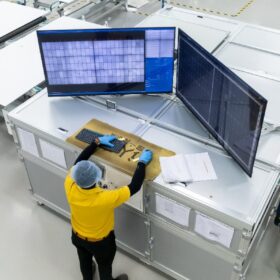
India’s 500 GW renewable energy target by 2030 dominates every policy conversation. Capacity additions, auction pipelines, transmission corridors; these are the metrics that make headlines. But there is a quieter, less glamorous constraint that could undermine all of it: the country’s under-investment in testing and certification infrastructure for clean energy equipment.

Why solar + storage needs intelligence before scale
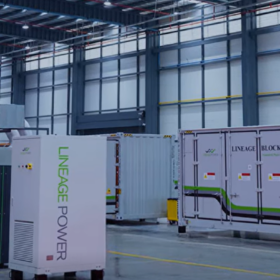
The intelligent integration of solar and storage is no longer optional. Data-driven approaches are essential to ensure compliance, efficiency, and long-term reliability. Building systems with insight not only prevents costly mistakes but also creates an energy ecosystem that is not just larger, but smarter, more resilient, and adaptable to future demands.

Tata Power selects Databricks to drive data and AI transformation across its operations
Tata Power has announced the enterprise-wide adoption of the Databricks platform to accelerate its data and AI transformation, aiming to improve operational efficiency, decision-making, and digital innovation across all its business clusters.

Are solar PV developers in India prepared for increasingly severe monsoons?
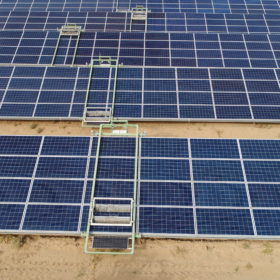
India witnessed above-average precipitation and prolonged cloud cover through July and August, limiting the potential of PV generation across many states. Several regions, including Punjab, Haryana, and the Himalayan foothills, were hit hardest by flooding and thunderstorms. The increase in atmospheric moisture and aerosol scattering led to reduced Global Horizontal Irradiation (GHI) and reduced energy output.

Renewable energy assets life-cycle management through tech-enabled maintenance strategies
Modern wind turbines and solar plants generate large volumes of operational data. By leveraging analytics, inefficiencies can be identified, performance assessed in real-time, and emerging issues addressed before they escalate. A dynamic operations and maintenance (O&M) support system builds on this intelligence to provide a strong grip on performance levels while minimising downtime.
ENGIE launches startup program for innovation in renewable energy solutions in India
ENGIE has launched a program to collaborate with enterprise-ready startups in addressing operational and technological challenges across India’s renewable energy sector.

The future of decarbonization is digital: Leveraging SaaS and automation for real-time emissions tracking
As global investors, consumers, and regulators demand deeper climate accountability, India’s position as a manufacturing and export hub will increasingly hinge on how credibly its businesses can measure and manage emissions. That credibility will come not from declarations, but from data.
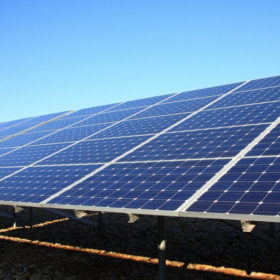
How AI is optimizing solar plant efficiency
Artificial intelligence (AI) is changing the world of solar energy as it allows plants to monitor, learn and adapt in real time. Given enormous data collected from several sensors, smart meters, drones, and even weather stations, AI systems utilize machine machine learning algorithms to optimize performance, predict problems and even detect patterns.
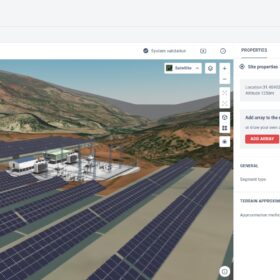
Harnessing Big Data and advanced modelling to optimise solar PV systems
Marcel Suri, Chief Executive Officer of Solargis, speaks to pv magazine about the factors influencing the performance of PV plants globally and in India, and how historical datasets, coupled with advancements in computing power and data analytics, help optimise PV system design for better risk management.

Bridging the digital divide: The reality of transformation in renewable energy
Digital adoption across the renewable energy value chain reveals a stark imbalance. Operations and maintenance (O&M) has embraced digitalization most enthusiastically, with SCADA systems and IoT-enabled devices revolutionizing efficiency through real-time monitoring and resource optimization. However, engineering, procurement, and construction (EPC) processes remain surprisingly under-digitized despite their critical importance.