Solex Energy commits INR 4,000 crore to 5 GW solar cell facility, 10 GW BESS factory in Gujarat
Solex Energy has signed a memorandum of understanding (MoU) with the Government of Gujarat to set up a 5 GW solar cell manufacturing facility and a 10 GW battery energy storage system (BESS) factory in the state, with a total planned investment of INR 4,000 crore.
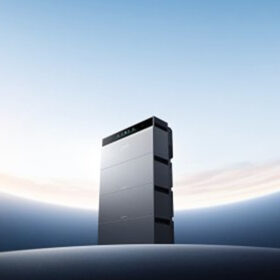
Anker Solix launches 7 kWh modular battery with 5 kW bidirectional inverter
The system features AI-driven energy management, 10,000-cycle battery life, and scalable expansion up to 126 kWh.
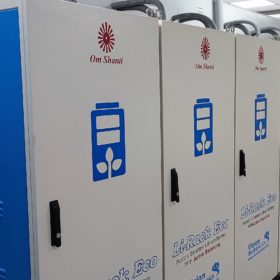
India’s behind-the-meter stationary storage market to surpass 39 GWh by 2033, says IESA
A new report by the India Energy Storage Alliance (IESA) and Customised Energy Solutions (CES) projects India’s behind-the-meter (BTM) stationary energy storage market to grow from 32 GWh in annual demand in 2025 to over 39 GWh by 2033.

Feston to set up 3 GWh BESS factory
Feston SEV, a Chennai-based solar inverter and energy technology company, is entering battery energy storage system (BESS) manufacturing with plans to set up a BESS facility with an annual production capacity of 3 GW. Its upcoming facility will produce 5 kWh to 5 MWh solutions, catering to residential and commercial segments.
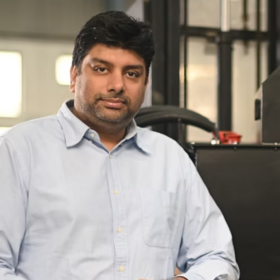
Neuron Energy to set up 5 GWh BESS facility in Maharashtra
EV battery manufacturer Neuron Energy has announced its entry into the grid-scale energy storage segment with plans to commission a fully automated battery energy storage system (BESS) manufacturing facility in Talegaon, Maharashtra. Once fully operational, the facility will have an annual production capacity of 5 GWh, with the capability to manufacture up to 1,000 containerised BESS units per year.
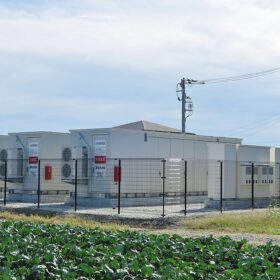
Panasonic claims world’s first trial of cybersecurity monitoring for grid-scale BESS
A Japanese joint-pilot will test grid-scale BESS with a range of local and remote attack vectors, with cybersecurity monitoring to watch for indications of anomalies.
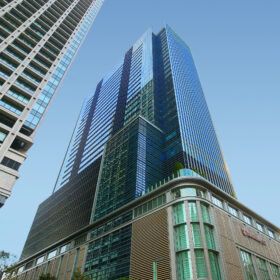
Japan’s TDK Corp. to invest INR 4,000 crore in Haryana for battery energy storage unit
TDK Corp., a Japanese multinational electronics company, has proposed an investment of INR 4,000 crore in Haryana to set up a battery energy storage unit. A delegation from the company met Haryana chief minister Nayab Singh Saini to discuss the proposed investment.

AI-powered BESS: The next frontier in grid stability and renewable integration
AI is transforming battery energy storage systems (BESS) through predictive load management, smart dispatch, and real-time performance optimisation – critical to India’s renewable energy ambitions.
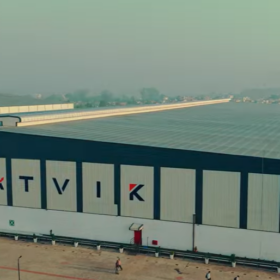
Saatvik Green sets up energy storage subsidiary
Saatvik Green Energy has incorporated a wholly owned subsidiary, Saatvik Power Storage Solutions. The newly formed entity will focus on the development and deployment of battery energy storage systems for utility-scale, commercial & industrial, residential and distributed renewable energy applications.
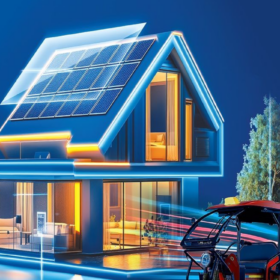
Vikram Solar’s PowerHive launches lithium battery range for electric mobility and residential power backup
PowerHive, the battery and energy storage arm of Vikram Solar, has launched its VION lithium battery product range, marking the company’s entry into distributed battery storage for electric mobility and residential energy backup.