AP Systems presents single-phase hybrid inverter for balcony photovoltaics
Until now, balcony inverters were mostly simple micro inverters, with batteries integrated via MC4 connectors. A hybrid inverter should improve this situation.

GP Eco Solutions makes a stellar debut, lists at 299% premium
Noida-based GP Eco Solutions India Ltd has made a stellar debut on NSE Emerge as its stock was listed at INR 375 against a price band of INR 94 per share. The company will use the funds raised through the IPO to fuel its growth in the solar sector.

Tesla launches Powerwall 3 in UK & Germany
Almost ten years after the “Powerwall 1,” US EV giant Tesla has launched its home battery system, Powerwall 3, in the United Kingdom and Germany. The Powerwall 3 is being officially presented at The smarter E Europe this week.
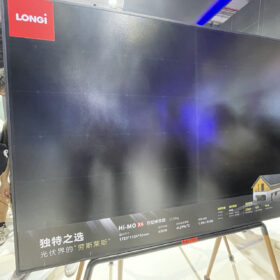
Longi launches ultra-black HPBC solar modules for residential applications
The Chinese manufacturer said its new Hi-MO X6 Artist series has an efficiency of up to 22.3% and a power output ranging from 420 W to 430 W. The smaller version is currently priced at CNY 298 ($41.7)/m2 and the largest model is sold at CNY 268/m2.

Gree presents photovoltaic DC air conditioner
The Chinese manufacturer said its new photovoltaic air conditioner is available in three versions with a cooling capacity ranging from 12.1 kW to 16 kW and a heating capacity of 14 kW to 18 kW. It can be used for both residential and commercial applications.
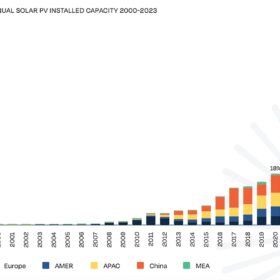
SolarPower Europe says 1 TW of solar could be annually installed by 2028
SolarPower Europe forecasts more than 1 TW of annual solar installations by 2028, but financing and energy system flexibility must be unlocked.
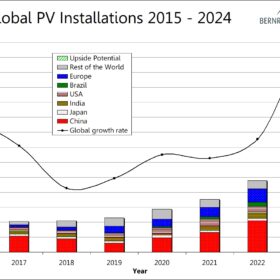
Global PV installations may hit 660 GW in 2024, says Bernreuter Research
Bernreuter Research says low module prices will drive demand in the second half of this year. The researchers note the shipment targets of the world’s six largest solar module suppliers, who are aiming for an annual growth rate of 40% on average.

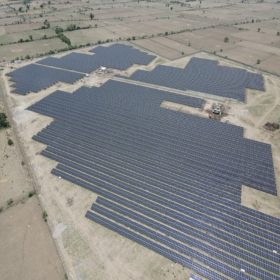
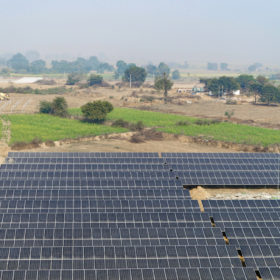
India renewable growth story to continue to shine
Renewable capacity addition is expected to remain at around 15-17 GW annually, owing to significant reduction in the module prices over the past 12 months and availability of liquidity.
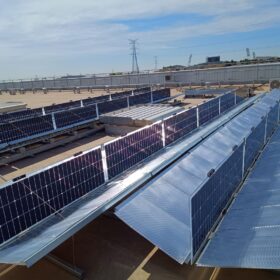
Spanish startup offers pre-assembled vertical rooftop PV systems equipped with reflectors
FutureVoltaics says it has developed pre-assembled, reflector-based vertical rooftop PV systems. The systems feature 175 W heterojunction bifacial solar modules and special reflectors on both sides.

Indonesia targets over 5.7 GW of rooftop solar by 2028
The Ministry of Energy and Mineral Resources in Indonesia has set a quota of 5,746 MW of rooftop solar to be deployed between 2024 and 2028. The Jakarta-based Institute for Essential Services Reform anticipates rooftop solar to be more commonly adopted by commercial and industrial consumers than residential users, following the abolishment of net-metering earlier this year.