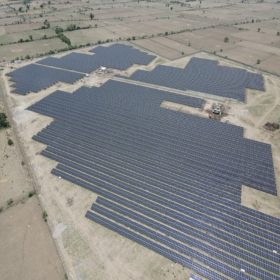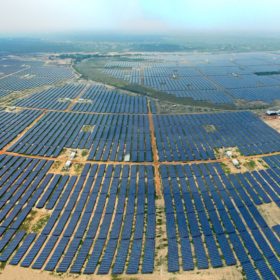
Adani Green to commission 3 GW of renewable energy capacity this fiscal
The developer has reached either financial closure or binding term sheets for about 1.1 GW of this upcoming 3 GW solar and wind energy capacity.

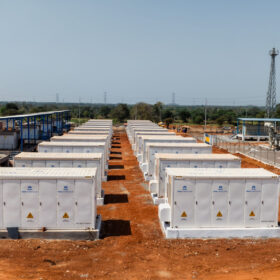
Green hydrogen demand to reach 2.85 MMT/annum by 2030
A new report estimates India will reach annual green hydrogen demand of 2.85 million metric tons (MMT) by 2030 under the current policy and project momentum. To meet this demand, it will need 62 GW of additional renewable energy capacity, 29 GW of electrolyzer capacity, and 11 MMT per annum of ammonia infrastructure, which together represent an investment opportunity of at least $57 billion.
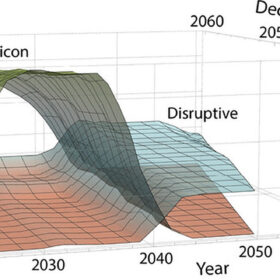
The world can manufacture enough solar to reach decarbonization goals
NREL researchers model viable pathways to supplying the estimated 60 TW of capacity required for decarbonization, and study the effect that disruptive solar technologies may have on deployment cost and market opportunity.
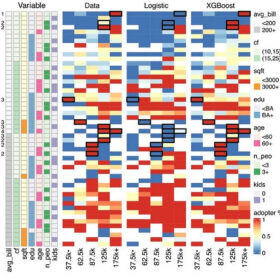
Machine learning method to identify residential PV adopters, reduce soft costs
Researchers have defined a new machine learning-based methodology that reportedly reduces customer acquisition costs by about 15% or $0.07/Watt. It is based on an adapted version of the XGBoost algorithm and considers factors such as summer bills, household income, and homeowner’s age, among others.

Tata Power profit soars by 77%
Tata Power recorded a revenue of INR 56,033 crore and a net profit of INR 3,810 crore in FY 2022-23.
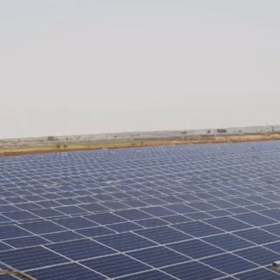
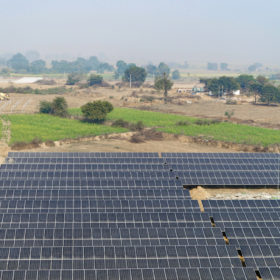
Mahindra Susten wins 200 MW in Rajasthan
Mahindra Susten has won 200 MW capacity in Rajasthan Urja Vikas Nigam Ltd’s latest 1 GW solar auction.

Rajasthan awards 1 GW of solar at INR 2.61-2.62/kWh tariff
Rajasthan Urja Vikas Nigam Ltd (RUVNL) has allocated 1 GW of solar capacity in its latest auction. It will sign a 25-year power purchase agreement (PPA) with the winners.

BluSmart raises $42 million to scale EV fleet, megacity operations
BluSmart Mobility secured $37 million in equity and $5 million in venture debt in its latest funding round. It will use the funds to expand its EV fleet capacity to 10,000 over the next one year and penetrate deeper into megacities.

Solar Ladder raises INR 11 crore in seed funding
Solar Ladder co-founder Abhishek Pillai told pv magazine they would use the funding to market and increase the sales of their software-as-a-service (SaaS) product to PV installers pan India. The company also plans to expand its customer support team.

Indian PV market must invest in quality infrastructure
In its latest monthly column for pv magazine, the International Renewable Energy Agency shares a series of recommendations gathered from sector experts to help India reach its ambitious solar targets. According to its experts, Quality Infrastructure (QI) will be crucial for the country’s PV market in the years to come. QI is an interdependent ecosystem of the different elements (accreditation, certification, standards, testing, metrology, inspection & monitoring) working together in harmony, and all associated services should be developed in unity and not in a piecemeal fashion. A sound and internationally harmonized QI not only ensures that PV products and services deliver as expected by customers and national energy authorities, but also enables more efficient and competitive markets based on a global economy on scale.