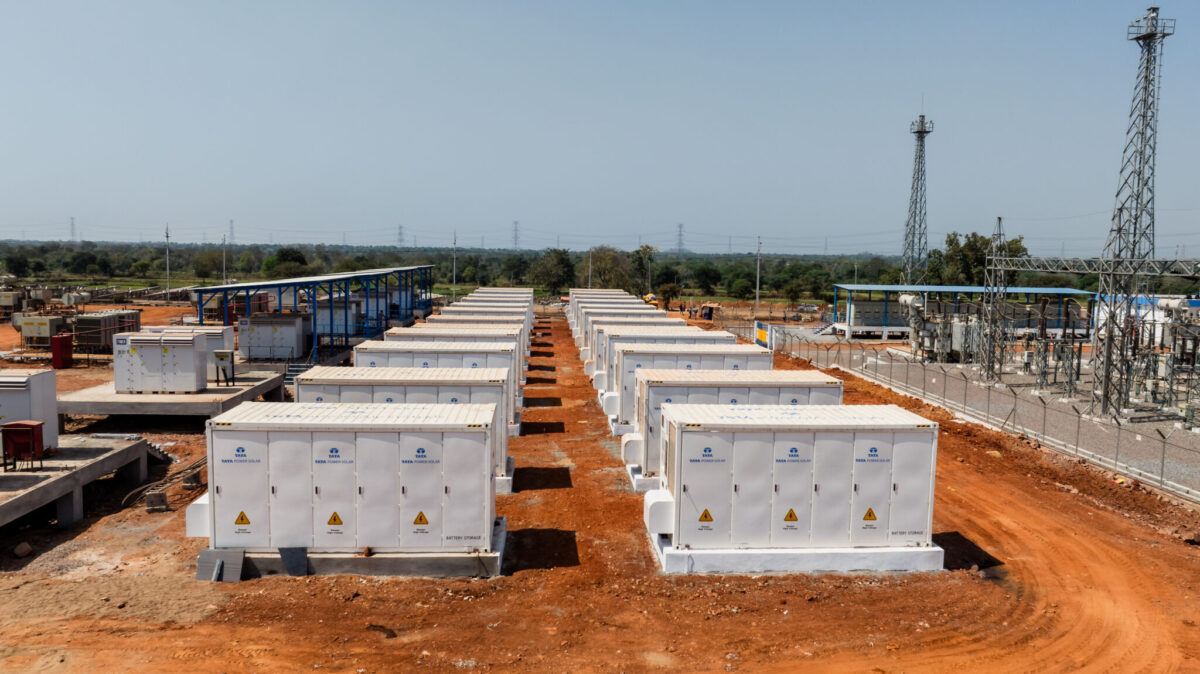





India added 547 MWh of battery energy storage capacity in 2025, a 26% increase compared to 433 MWh added in 2024, according to Mercom India Research’s newly released 2H & Annual 2025 India’s Energy Storage Landscape Report.
With this, India’s cumulative installed battery energy storage capacity reached 1,082 MWh as of Dec. 31, 2025.
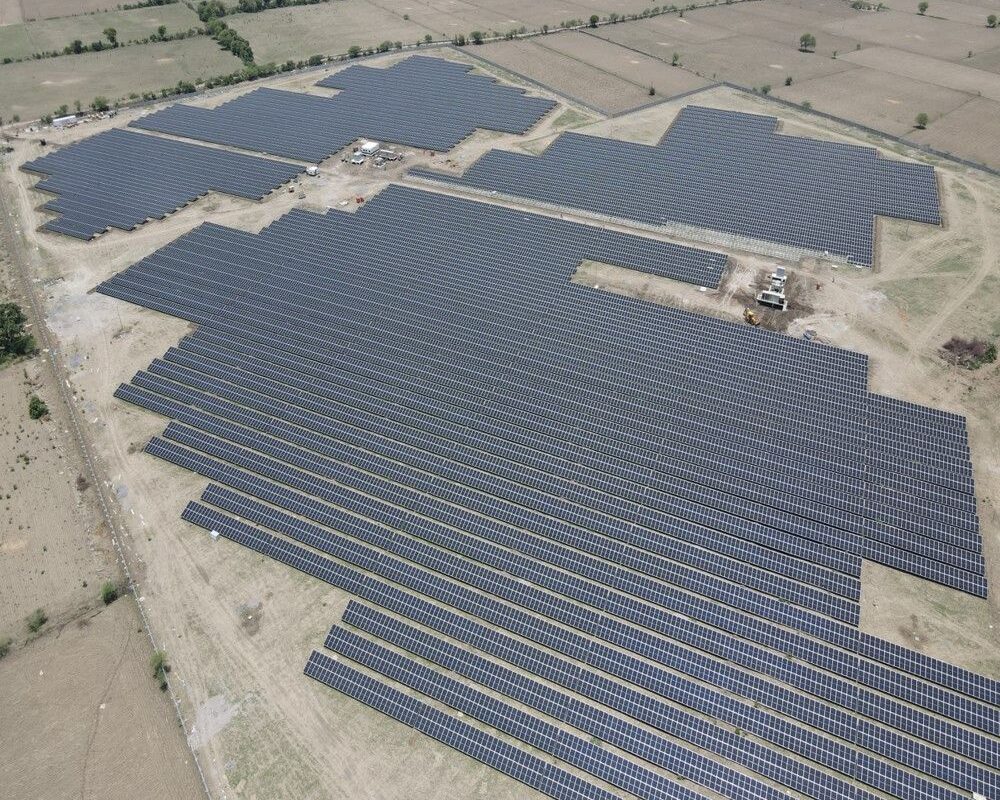
The report stated that solar-plus energy storage systems accounted for more than 54% of cumulative installed capacity, followed by about 23% from solar-plus-wind with round-the-clock projects and nearly 21% from standalone battery energy storage systems. The remaining share was contributed by solar-plus-wind with storage and floating solar-plus-storage projects.
As of this report’s publication, the cumulative installed capacity of pumped storage projects (PSPs) stood at over 7 GW, of which almost 6 GW was operational.
“India’s energy storage sector reached an inflection point in 2025. Strong policy support, a growing pipeline, and the increasing need to manage renewable energy variability have brought storage to the center of the power sector transition,” said Raj Prabhu, CEO of Mercom Capital Group. “Installations are set for exponential growth, but the market’s long-term success will depend on realistic bidding, regulatory clarity, aligning storage economics with grid requirements, and addressing policy barriers such as the 18% GST on standalone battery storage compared to 5% for renewable energy projects. Energy storage is set to play a defining role in India’s clean energy future, critical to maintaining grid reliability, enabling flexibility, and ensuring stability as renewable penetration continues to rise.”
This content is protected by copyright and may not be reused. If you want to cooperate with us and would like to reuse some of our content, please contact: editors@pv-magazine.com.




By submitting this form you agree to pv magazine using your data for the purposes of publishing your comment.
Your personal data will only be disclosed or otherwise transmitted to third parties for the purposes of spam filtering or if this is necessary for technical maintenance of the website. Any other transfer to third parties will not take place unless this is justified on the basis of applicable data protection regulations or if pv magazine is legally obliged to do so.
You may revoke this consent at any time with effect for the future, in which case your personal data will be deleted immediately. Otherwise, your data will be deleted if pv magazine has processed your request or the purpose of data storage is fulfilled.
Further information on data privacy can be found in our Data Protection Policy.