




From ESS News
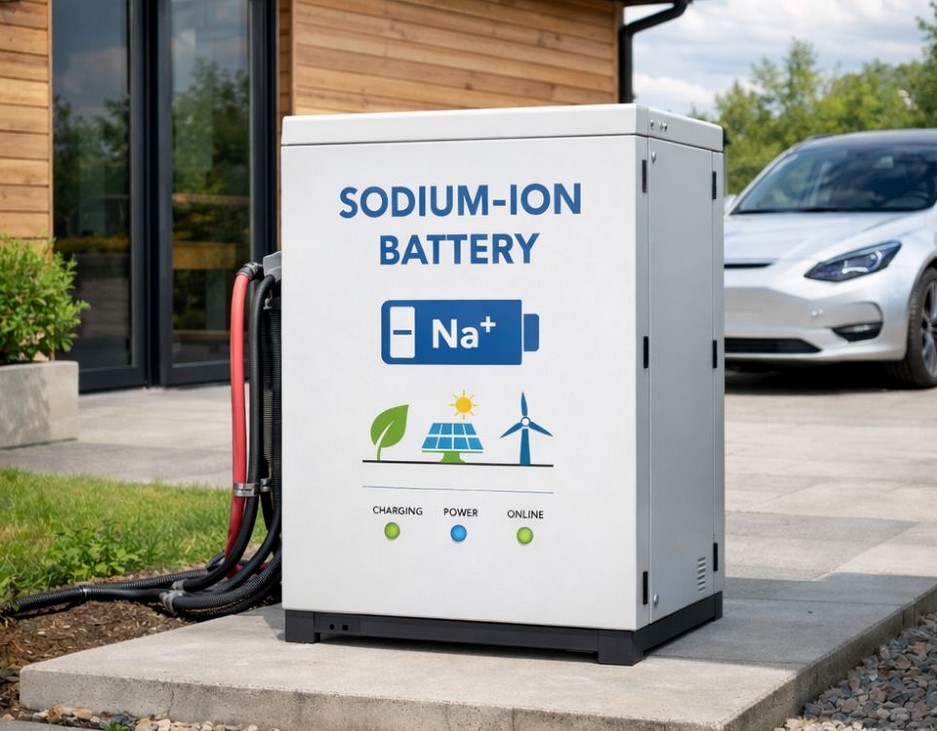
NanoMalaysia Berhad (NMB), an agency under Malaysia’s Ministry of Science, Technology and Innovation (MOSTI), has unveiled a sodium‑ion battery prototype with an energy density exceeding 300 Wh/kg, positioning it among the most advanced sodium‑ion battery systems reported globally.
The prototype was developed through the NanoMalaysia Energy Storage Technology Initiative (NESTI) in collaboration with International Battery Centre Sdn Bhd. NMB said achieving this milestone is a key step toward further development, scaling, and commercial readiness, with broad industry collaborations critical for advancing the technology through higher readiness levels.
“By surpassing 300 Wh/kg at the prototype stage, we demonstrate that sodium‑ion technology can deliver performance comparable to lithium‑ion while also addressing cost, safety, and material sustainability challenges,” said Rezal Khairi Ahmad, CEO of NanoMalaysia Berhad, underscoring the significance of the breakthrough for Malaysia’s energy storage ecosystem. “Establishing multiple partnerships with industrial off-takers will be crucial in the next steps to advance the technology readiness level and safeguard the interests of both local and international investors.”
The battery features a NASICON‑based sodium vanadium phosphate (NVP) cathode enhanced with graphene nano‑additives, which improves electrochemical performance, energy density, and structural stability – critical attributes for next‑generation energy storage. NASICON (Na Super Ionic CONductor) structures enable fast sodium-ion transport, high stability, and good cycling performance, making them well-suited for high-performance sodium-ion batteries.
To continue reading, please visit our ESS News website.
This content is protected by copyright and may not be reused. If you want to cooperate with us and would like to reuse some of our content, please contact: editors@pv-magazine.com.




By submitting this form you agree to pv magazine using your data for the purposes of publishing your comment.
Your personal data will only be disclosed or otherwise transmitted to third parties for the purposes of spam filtering or if this is necessary for technical maintenance of the website. Any other transfer to third parties will not take place unless this is justified on the basis of applicable data protection regulations or if pv magazine is legally obliged to do so.
You may revoke this consent at any time with effect for the future, in which case your personal data will be deleted immediately. Otherwise, your data will be deleted if pv magazine has processed your request or the purpose of data storage is fulfilled.
Further information on data privacy can be found in our Data Protection Policy.