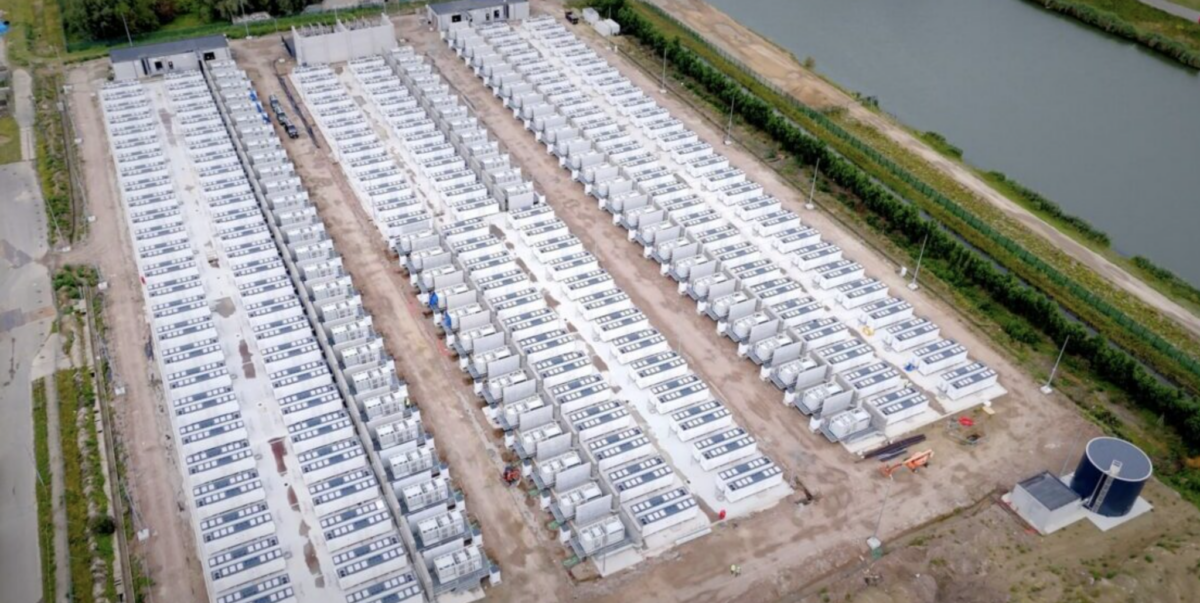





SolarPower Europe has published two reports aimed at strengthening best practices for large-scale hybrid projects combining photovoltaics and battery energy storage systems.
The association said the documents provide a framework for due diligence, risk management and engineering standards to safeguard technical, financial and operational performance before commercial operation.
The first report, “Technical Due Diligence Best Practice Guidelines for Hybrid Utility-Scale Solar PV and Battery Energy Storage Systems,” sets out recommendations across the full project lifecycle. It covers feasibility studies, procurement and supply chain management, financing and governance, construction and commissioning, and operation, resilience, repowering and decommissioning.
The guidelines call for independent technical health reviews at each stage and recommend engaging qualified advisers from the earliest development phase to protect long-term bankability and system reliability.
In parallel, the association released Version 3.0 of its Engineering, Procurement and Construction Best Practice Guidelines, with expanded focus on integrating solar generation and storage and improving coordination across engineering, procurement, construction and operations.
The updated guidance also strengthens criteria on biodiversity, waste planning, cybersecurity and broader risk management, including regulatory, climate-related and Health, Safety, Security and Environment considerations.
Authored by:
This content is protected by copyright and may not be reused. If you want to cooperate with us and would like to reuse some of our content, please contact: editors@pv-magazine.com.



By submitting this form you agree to pv magazine using your data for the purposes of publishing your comment.
Your personal data will only be disclosed or otherwise transmitted to third parties for the purposes of spam filtering or if this is necessary for technical maintenance of the website. Any other transfer to third parties will not take place unless this is justified on the basis of applicable data protection regulations or if pv magazine is legally obliged to do so.
You may revoke this consent at any time with effect for the future, in which case your personal data will be deleted immediately. Otherwise, your data will be deleted if pv magazine has processed your request or the purpose of data storage is fulfilled.
Further information on data privacy can be found in our Data Protection Policy.