




Electrolyser selection and Balance of Plant engineering form the backbone of large-scale green hydrogen projects, directly influencing efficiency, scalability, safety, and long-term operability. As hydrogen production becomes increasingly integrated with intermittent renewable energy generation, system-level engineering decisions are now as critical as the choice of electrolyser technology itself. With global ambitions moving rapidly toward gigawatt scale deployment, hydrogen projects must be designed to operate reliably under variable power inputs, water constraints, and demanding industrial and mobility use cases.
From execution experience across renewable integrated hydrogen installations, it is evident that project success depends on how effectively electrolysers are embedded within a well engineered Balance of Plant, rather than evaluated in isolation.
As national hydrogen missions, carbon pricing mechanisms, and renewable capacity expansion plans gain momentum across India, Europe, and the Middle East, green hydrogen projects are rapidly transitioning from pilot initiatives to industrial infrastructure. In this shift, engineering certainty, schedule discipline, and operating reliability will increasingly matter as much as policy incentives and capital availability.
Electrolyser Technologies for Large Scale Deployment
Alkaline water electrolysers continue to dominate large scale hydrogen production due to their technological maturity, long stack lifetimes, and relatively lower capital costs. Their robustness makes them suitable for steady state industrial operations, although slower response to power fluctuations and larger physical footprints require careful consideration when integrated with intermittent renewable energy.
Proton exchange membrane electrolysers are increasingly adopted for renewable linked projects that require rapid load following, compact plant layouts, and high current densities. Their ability to respond quickly to fluctuating solar and wind generation makes them particularly suitable for modular deployments, though reliance on precious metal catalysts and shorter replacement cycles remain important lifecycle considerations.
Emerging technologies such as anion exchange membrane and solid oxide electrolysers offer potential pathways for future efficiency gains and cost reduction. However, their deployment at megawatt and gigawatt scale remains limited by technology readiness, durability, and system integration challenges.
At scale, technology selection is also influenced by localisation potential, supply chain resilience, and the ability of OEMs to support long term performance guarantees. As hydrogen projects transition from pilot installations to infrastructure scale assets, bankability and vendor ecosystem maturity become decisive factors alongside technical efficiency.
Selection Criteria from a System Engineering Perspective
Electrolyser selection must be approached through a holistic, system-wide engineering lens. Energy consumption, operating pressure, and voltage efficiency must be balanced against degradation behaviour under cyclic operation. Higher operating pressures can reduce downstream compression requirements but introduce additional mechanical and safety considerations.
Projects closely coupled with intermittent renewable power typically benefit from technologies capable of dynamic operation, while applications with stable hydrogen demand may prioritise durability and lower lifecycle costs. Water purity requirements, catalyst sensitivity, stack dimensions, and long term serviceability further influence technology suitability, particularly for projects aligned with national hydrogen missions targeting multi million tonne annual production.
Grid interaction strategy is an increasingly important selection criterion. Projects may operate in grid connected, islanded, or hybrid configurations, each imposing different requirements on electrolyser ramp rates, minimum load thresholds, and protection schemes. Effective coordination between power electronics, renewable generation, and electrolyser control philosophy is essential to avoid efficiency losses and premature stack degradation.
Electrolyser and Balance of Plant design must also be closely aligned with hydrogen off-take requirements. Mobility and fuel cell applications demand ultra-high purity, rapid transient response, and buffering strategies, while refinery, fertiliser, and steel applications prioritise continuous supply, pressure integration, and long-term availability. Export-oriented projects further introduce liquefaction, ammonia synthesis, or LOHC integration as upstream design constraints, reinforcing the need for end-use driven system engineering from the earliest project stages.
Balance of Plant as a Critical Performance Driver
While electrolysers define hydrogen generation, Balance of Plant systems often determine overall plant efficiency and reliability. Power conditioning, water treatment, gas separation, drying, compression, cooling, and safety systems account for a significant share of both capital expenditure and energy consumption.
Optimised Balance of Plant design can significantly enhance overall plant performance through measures such as high pressure electrolysis to minimise downstream compression loads, advanced control systems to ensure stable operation under variable renewable input, and a robust, integrated safety architecture for continuous operation. At scale, Balance of Plant engineering also encompasses hydrogen storage buffers, renewable energy management, and interconnection of multiple electrolyser trains to ensure flexibility and redundancy.
From a lifecycle cost perspective, Balance of Plant optimisation has a direct and often underestimated impact on levelised cost of hydrogen (LCOH). Intelligent equipment sizing, minimisation of parasitic loads, and harmonised operating envelopes between electrolyser stacks and auxiliary systems contribute significantly to long term economic viability.
For lenders and project developers alike, a well-engineered Balance of Plant reduces performance uncertainty, strengthens bankability, and lowers financing risk over the asset lifecycle.
Engineering Challenges at Scale
Scaling hydrogen production introduces complex engineering challenges. Larger electrolyser stacks require advanced thermal and hydraulic management, while supply chain constraints for critical materials such as catalysts can affect project schedules. Integration with fluctuating renewable power demands resilient control strategies to maintain efficiency and safety across varying load conditions.
Water availability and purification efficiency are particularly critical in water stressed regions, making efficient treatment systems an integral part of project design. In parallel, stringent safety protocols are required to manage hydrogen leakage risks and avoid hazardous operating conditions during partial load, start up, or shutdown scenarios. Modular plant layouts, waste heat recovery, and digital modelling tools are increasingly applied to address these challenges during engineering and commissioning.
Digitalisation is playing an expanding role in large scale hydrogen plants. Advanced process simulations, digital twins, and predictive maintenance systems enable operators to optimise performance, anticipate degradation trends, and improve plant availability over extended operating lifetimes. These tools are becoming integral to both commissioning and long term asset management strategies.
Outlook for Renewable Driven Hydrogen Growth
Experience across large scale hydrogen installations highlights that Balance of Plant optimisation often delivers greater performance and cost benefits than incremental improvements at the stack level. Hybrid configurations combining different electrolyser technologies can enhance resilience under variable renewable power conditions, while early stage engineering decisions have a disproportionate impact on long term operating expenditure, availability, and safety.
As countries accelerate renewable driven hydrogen deployment to meet domestic demand and export ambitions, the role of integrated system engineering becomes increasingly central. Treating electrolysers, Balance of Plant, and renewable integration as a single engineering challenge will be essential for delivering commercially viable and scalable green hydrogen projects.
Ultimately, green hydrogen will scale not through isolated technology breakthroughs, but through disciplined engineering execution. Projects that embed electrolysers within robust, flexible, and future ready Balance of Plant architectures will define the next phase of industrial decarbonisation and renewable energy integration worldwide. For developers, policymakers, and EPC stakeholders alike, the next decade of green hydrogen will be defined less by laboratory efficiency gains and more by the quality of system engineering decisions made today.
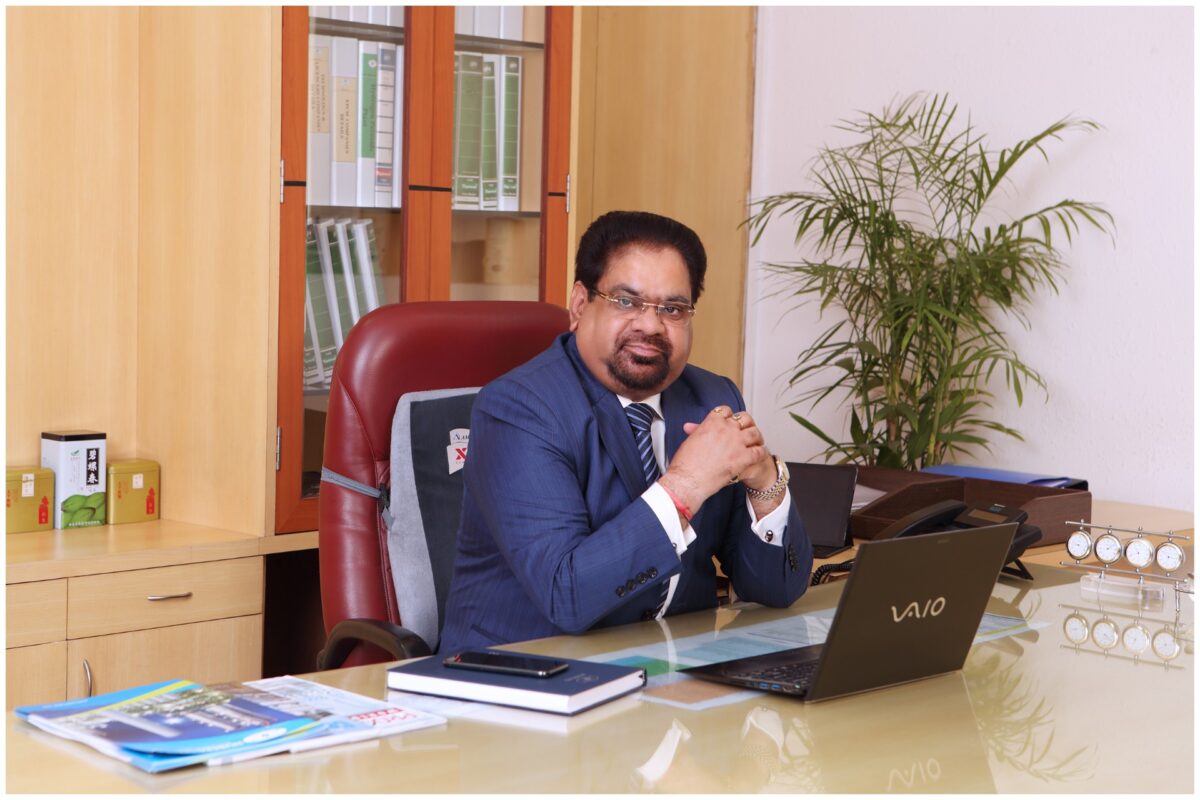
The author is the Founder and CMD of Nuberg Green Energy, which has executed integrated hydrogen systems encompassing water electrolysis, balance-of-plant engineering, purification, compression, storage, and dispensing across multiple deployments.
The views and opinions expressed in this article are the author’s own, and do not necessarily reflect those held by pv magazine.
This content is protected by copyright and may not be reused. If you want to cooperate with us and would like to reuse some of our content, please contact: editors@pv-magazine.com.


By submitting this form you agree to pv magazine using your data for the purposes of publishing your comment.
Your personal data will only be disclosed or otherwise transmitted to third parties for the purposes of spam filtering or if this is necessary for technical maintenance of the website. Any other transfer to third parties will not take place unless this is justified on the basis of applicable data protection regulations or if pv magazine is legally obliged to do so.
You may revoke this consent at any time with effect for the future, in which case your personal data will be deleted immediately. Otherwise, your data will be deleted if pv magazine has processed your request or the purpose of data storage is fulfilled.
Further information on data privacy can be found in our Data Protection Policy.