





Industrial power consumers in Gujarat have been among the earliest adopters of large scale solar in India. Many have already reduced their electricity bills and emissions by sourcing solar power through captive plants, group captive models and open access. As solar penetration rises, the next question is how to make this clean power more reliable, especially during evening peaks or when the sun is not shining. Early projects in Gujarat show that combining solar with Battery Energy Storage Systems, or BESS, is becoming a practical way to answer that question.
Gujarat is now India’s leading state in installed renewable energy capacity, with more than 35 GW of renewables as of April 2025 and around 40 GW by September 2025. This strong base of solar and wind, together with a large industrial load, makes it a natural test bed for solar plus storage solutions aimed at commercial and industrial users.
Early solar plus storage initiatives in Gujarat
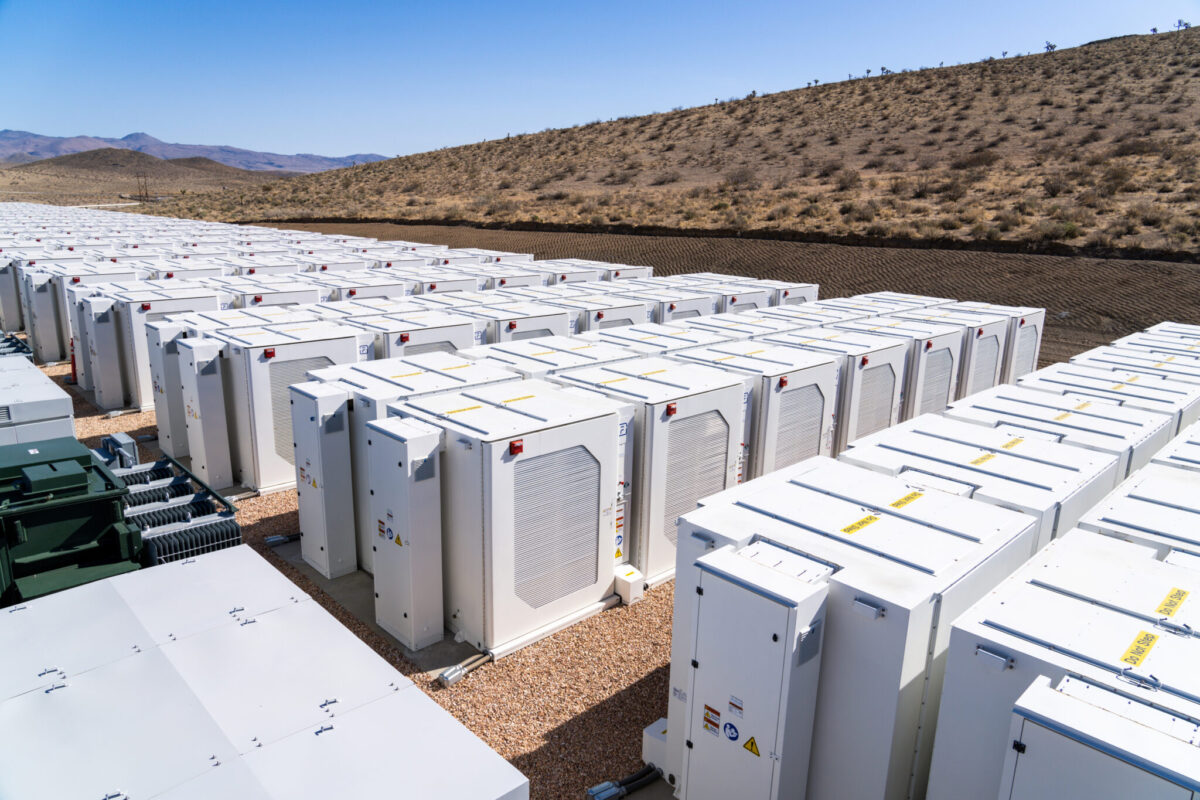
One of the clearest examples of solar plus storage in Gujarat is a 35 MW grid connected solar project paired with a 57 MWh battery system in Kutch district. The project charges the battery using solar generation during the day and discharges energy to the grid during peak hours to help meet demand and maintain grid stability. It is widely described as one of India’s first large scale utility-based BESS projects combined with a solar tracker system, and it shows how storage can turn daytime solar into a more usable evening resource.
In parallel, Gujarat’s wind solar hybrid sites are beginning to add storage as well. For example, a 40 MWh battery storage project has been awarded at hybrid sites in the state to smooth variable generation and support the grid. At the system level, the massive hybrid renewable park under construction in Khavda, Kutch, has plans for multi gigawatt hour storage to manage its 30 GW solar and wind output over time.
These grid side projects matter for industry because they strengthen the backbone that supplies power to factories and industrial estates. They also provide a reference for how storage can be designed and operated in a high solar context.
Supplying round-the-clock renewable power to industry
Gujarat is not limiting storage to grid pilots. The state utility has signed an agreement with the government to develop battery energy storage units that will store renewable energy and supply it to industries on demand. According to this initiative, once the state’s renewable purchase obligations are met, excess renewable power stored in batteries will be offered to industrial consumers, especially those located in industrial estates that do not have space for captive solar.
The same report notes that tariffs for this stored renewable energy are planned at a small premium above prevailing industrial rates, while still helping units meet their sustainability and emissions goals. This structure is an early example of how solar plus storage can be packaged as a service for industrial users who want reliable green power without having to build and operate their own battery systems on site.
The lesson here is that industrial users do not always need to install batteries inside their facilities to benefit from storage. Utility scale solar plus storage, managed by the state power sector, can offer round the clock or on demand renewable supply that is accessible through standard connections.
Designing storage around industrial load patterns
The Kutch solar plus storage project provides four hours of support from the battery during non-solar hours. This time window is important because many industrial loads in Gujarat peak in the late afternoon and evening, after daytime solar production begins to fall. By charging the battery when the sun is strong and discharging when demand is higher, the project demonstrates a practical way to align solar output with typical industrial consumption patterns.
For industrial users, the key design lesson is that storage duration matters as much as capacity. A one- or two-hour battery may help with short spikes, but a four-hour system is better suited to shifting substantial energy from midday to evening. New tenders in the state, including flow battery projects designed for long operational life and high cycling, show that planners are already experimenting with different technologies to serve these needs.
Policy enablers for solar and storage in Gujarat
Gujarat’s policy environment is actively encouraging the growth of renewable energy and, by extension, solar plus storage solutions for industry. The Gujarat Renewable Energy Policy 2023 explicitly aims to provide quality, reliable and cost competitive renewable power to consumers, and to achieve 50 percent of cumulative installed capacity from non-fossil fuel sources by 2030. This overarching goal creates a strong signal for utilities and developers to invest in storage as an enabler of reliability.
On the open access side, the state regulator’s Green Energy Open Access regulations remove capacity limits for setting up renewable projects for captive use relative to a consumer’s contract demand and provide a framework for sourcing green power through the network. Gujarat also permits energy banking for open access projects, allowing daily solar banking between 7 am and 6 pm and monthly banking for wind solar hybrid projects, with favourable terms for captive and third-party sales. These measures give industrial users more flexibility in how they combine solar, storage and grid supply. Banking and open access rules help them balance their own demand with renewable generation, while large, shared BESS assets operated by the state can handle part of the balancing at the system level.
What industrial users can learn from Gujarat’s early projects
Taken together, Gujarat’s early solar plus storage projects point to several practical lessons for industrial users who are planning their own strategies.
First, it is clear that co-locating solar and storage at or near major generation hubs, as in Kutch, can improve grid stability and make renewable power more usable during peak demand periods. This is especially helpful for power intensive industrial belts that rely on the same transmission corridors.
Second, utility-led models, where the state sector develops and operates BESS units and sells stored renewable energy to industry, can make solar plus storage accessible to a wider set of consumers. This is particularly valuable for units in industrial estates that lack the land or roof space for their own plants.
Third, policy design around open access, banking and long term renewable targets matters greatly. Gujarat’s combination of ambitious renewable goals, supportive banking rules and new storage initiatives provides a coherent framework in which industrial users can plan multi year decarbonisation and cost management strategies.
Finally, the experience of operating early projects is showing that batteries are not just a backup but an active tool for shaping when solar power is delivered. Charging during high generation periods and discharging during industrial peaks is now being implemented in real projects, not just discussed in concept papers.
Conclusion
Gujarat’s leadership in renewable deployment is now extending into the field of solar plus storage, with direct implications for industrial power users. Large grid connected projects in Kutch, storage additions at hybrid sites, and new battery initiatives aimed at supplying industries with on-demand renewable energy are all early examples of how solar and storage can work together in practice.
For industrial consumers, the message is straightforward. As more of Gujarat’s generation mix comes from solar and wind, storage will be central to securing reliable, round the clock and cost-effective green power. By paying close attention to how early projects in the state have been sized, regulated and integrated into the grid, industrial users elsewhere in India can design their own solar plus storage strategies on a more confident and informed footing.
The views and opinions expressed in this article are the author’s own, and do not necessarily reflect those held by pv magazine.
This content is protected by copyright and may not be reused. If you want to cooperate with us and would like to reuse some of our content, please contact: editors@pv-magazine.com.




By submitting this form you agree to pv magazine using your data for the purposes of publishing your comment.
Your personal data will only be disclosed or otherwise transmitted to third parties for the purposes of spam filtering or if this is necessary for technical maintenance of the website. Any other transfer to third parties will not take place unless this is justified on the basis of applicable data protection regulations or if pv magazine is legally obliged to do so.
You may revoke this consent at any time with effect for the future, in which case your personal data will be deleted immediately. Otherwise, your data will be deleted if pv magazine has processed your request or the purpose of data storage is fulfilled.
Further information on data privacy can be found in our Data Protection Policy.