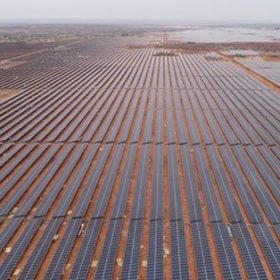
French developer Engie reaches 1.5 GW renewables capacity in India
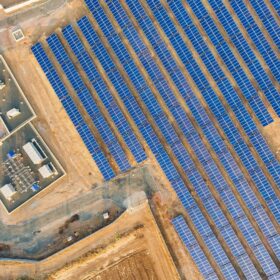
The company recently bagged a total capacity of 480 MW in Gujarat, including 200 MW wind and 280 MWp solar. Its 338 MWp solar project at Kadapa Solar Park in Andhra Pradesh has also gone live.

SECI revamps manufacturing-linked mega solar tender
Global bids are now invited to set up 2 GW of solar manufacturing capacity linked to 6 GW of inter-state-connected solar power projects. The projects—to be developed on ‘build-own-operate’ basis—shall be awarded through tariff-based competitive bidding followed by e-reverse auction. Tariff ceiling is fixed at Rs 2.75/kWh for a period of 25 years. Bidding closes on July 26.
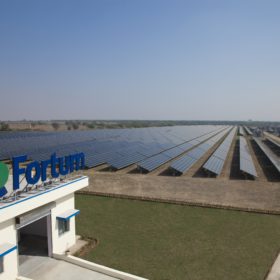
Karnataka sets benchmark capital cost for solar
The reference capital cost for developing solar projects in Karnataka has risen this year despite continuing falls in component prices.
NSEFI urges Karnataka to prevent solar curtailment
Citing huge losses to solar power developers, the lobby group has urged state-owned utility Karnataka Power Transmission Corporation Limited not to arbitrarily curtail generation from solar power projects that are in any case ‘must run.’
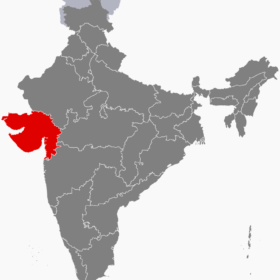
Adani Renewable bags 600 MW wind-solar hybrid project
The developer’s Gujarat business will supply power for Rs2.69 under a 25-year PPA after winning a tender conducted by the Solar Energy Corporation of India.
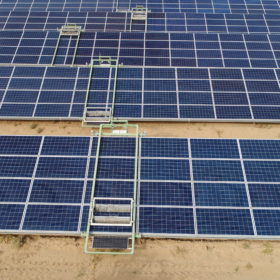
750 MW Rajasthan tender attracts low bids of Rs 2.5/kWh
The tariffs are slightly above Rs2.48/kWh seen in March procurement but still fairly below the levels hit in Maharashtra and Gujarat auctions recently—reaffirming the state’s attractiveness to PV developers.
Dispute resolution committee established in response to developer demands
A new three-man panel will adjudicate in disputes between project developers, national solar body SECI and energy giant NTPC. The board has been established by the Ministry of New and Renewable Energy.

Government prepares new payment security mechanism for developers — four months after the last one
Solar Energy Corporation of India was given a Rs 500 crore cash pot to help developers in February, but that clearly wasn’t enough, as a second newly announced scheme underscores just how much financial distress the country’s state power companies are in.

Latest 1.2 GW of solar capacity awarded at Rs2.54 ahead of safeguarding duty fall
SECI’s 1.2 GW solar auction saw four companies – Ayana Renewable, ReNew Power, Azure Power and Mahindra Susten – secure a combined capacity of 1.15 GW at Rs2.54/kWh. Avaada Energy won the remaining 50 MW, at Rs2.55.
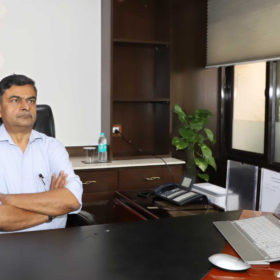
Power minister seeks removal of priority sector lending limit for renewable energy sector
Easy access to finance topped the agenda of the minister’s meeting with various stakeholders, wherein issues related to land acquisition and Goods and Services Tax (GST) were also discussed.