Scientists claim PV systems combined with thermoelectric cooling may achieve 6-year payback time
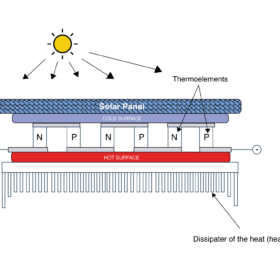
Scientists in South Africa have modeled a photovoltaic system connected to a thermoelectric cooling device and have found it may produce around 9.2% more electricity than conventional PV system without cooling. The research team claims the proposed system guarantees a minimum cost saving of 10.56%.

The role of renewable energy in achieving India’s net zero goals
The road to net-zero emissions in India doesn’t require herculean efforts. We can get there by wholeheartedly adopting renewables, investing in innovation and technology, and promoting public-private partnerships to build a better, cleaner, and more sustainable India for generations to come.
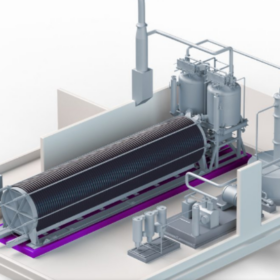
Reliance signs alkaline electrolyzer deal with Norway’s Nel
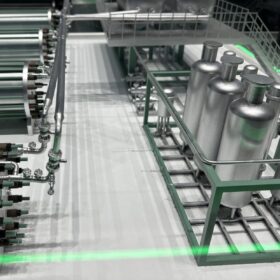
Through the agreement, Reliance gets access to Nel’s technology platform for manufacturing alkaline electrolyzers.

IEA-PVPS launches action group on agrivoltaics
IEA-PVPS is poised to launch a new format for expert engagement. It will include an action group on agrovoltaics, as well as a collaborative effort to match agriculture and solar generation. It aims to unlock the potential of agrivoltaics, optimize land use efficiency, enhance agricultural resilience to climate change, and foster social consensus for solar development.
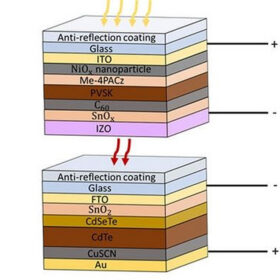
U.S. scientists demonstrate 25%-efficient perovskite-cadmium tandem solar cell
The researchers say the cell has a top perovskite cell with a transparent back contact made of indium zinc oxide and a commercially established cadmium telluride bottom device. They claim the champion tandem cell has the potential to reach a 30% efficiency.
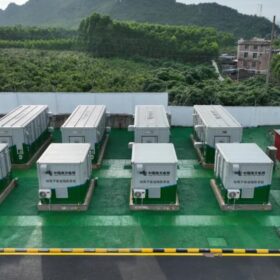
China switches on first large-scale sodium-ion battery
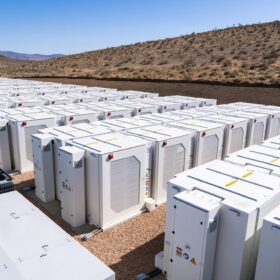
China Southern Power Grid has deployed a 10 MWh sodium-ion battery in China’s Guangxi Zhuang region. It is the first phase of a 100 MWh project.
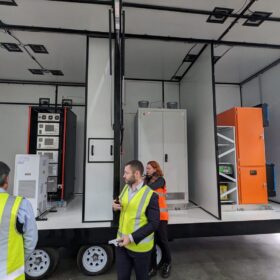
Solar-hydrogen solution rolled out for off-grid settings
A new mobile power generator that combines solar and renewable hydrogen to provide zero-emissions power for remote and off-grid applications has been unveiled by Australian startup H2PowerBox.

Optimizing solar investments
In India’s quest for a sustainable energy future, solar asset management emerges as a key to optimizing investments, ensuring reliability and maximizing productivity.
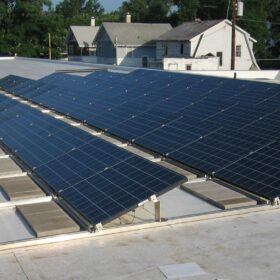
Algorithms to detect underperforming rooftop PV panels
Australian researchers have developed multi-stage algorithms to remotely detect and accurately diagnose underperforming solar panels in residential and commercial PV systems.
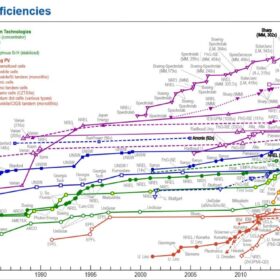
NREL interactive chart of solar cell efficiency now including ‘hybrid tandems’
The new cell category includes perovskite/silicon, perovskite/CIGS, III-V/silicon and perovskite/organic tandem PV devices. It will list the absolute record efficiency for all-perovskite, two-terminal tandems regardless of the number of junctions.