India deployed 2.05 GW solar in first three months of CY2021
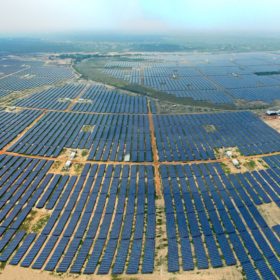
Solar installation surged in the first quarter of 2021, with developers completing their delayed projects from last year.
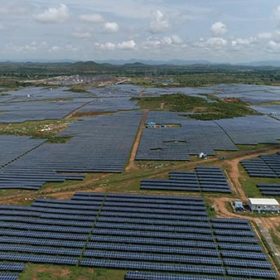
Tata Power awarded 40 MW solar project in Odisha
State-owned hydropower producer NHPC Ltd has awarded the engineering, procurement, and construction work for a 40 MW PV project to Tata Power Solar Systems. The project—to be located in the Ganjam District of Odisha—is scheduled to be commissioned within 12 months.
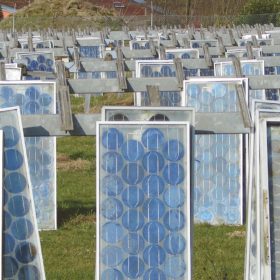
India could have 2.95bn tons of solar waste by 2047
Researchers led by the Indian Institute of Technology Delhi have projected the waste expected from end-of-life solar panels and related components. They assumed 347.5 GW of total installed solar generation capacity would be reached this decade. The academics said the waste would include critical metals worth around $645 trillion, 70% of which could be recovered.

IEA highlights solar’s dependence on Chinese copper processing
The sheer volume of new power lines which will be required to accommodate the rising tide of solar installations ensures copper has been included by the International Energy Agency on its list of minerals which must keep flowing if the energy transition is to stay on course. And it’s not production that’s the potential bottleneck.

SJVN awarded 75 MW solar project in Uttar Pradesh
The State-owned hydropower producer will sell the electricity generated from the solar project to Uttar Pradesh New and Renewable Energy Development Agency (UPNEDA) under a 25-year power purchase agreement. Tariff is fixed at INR 2.68/kWh (US$0.037/kWh).
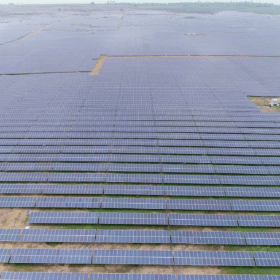
India again ranked the world’s most attractive solar market by Ernst & Young
The nation maintained the highest score of 62.7 for solar in the latest edition of Ernst & Young’s renewables attractiveness index. It ranked third for overall renewable energy investment.
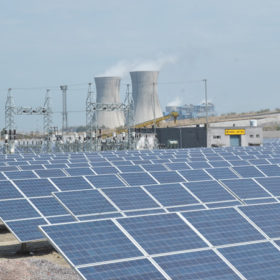
IREDA amends 5 GW solar tender
The Indian Renewable Energy Development Agency has extended the bidding to May 31 and amended the ceiling tariff, maximum viability gap funding, and commissioning timeline for the solar projects.
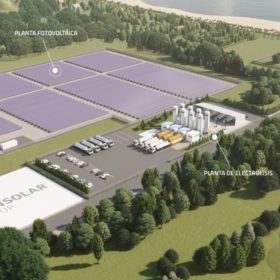
Solar-plus-storage to produce hydrogen from seawater
Spanish PV project developer Gransolar is planning to build a large-scale green hydrogen production plant in the Port of Almería, in southern Spain.

India’s utility-scale solar installations fell by 39% in FY2021
During the fiscal year 2020-21, India installed utility-scale solar projects amounting to 3.5 GW, about 39% less year-on-year.
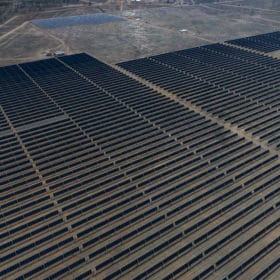
Adani Green to buy SB Energy’s 5 GW renewable portfolio in India
The Indian developer has agreed to acquire a 100% interest in SB Energy’s India renewable portfolio for approximately US$3.5 billion (INR 26,000 crore). The assets, totaling 4,954 MW, are spread across four Indian states.