India’s transition to net-zero emissions presents $12.7 trillion investment opportunity
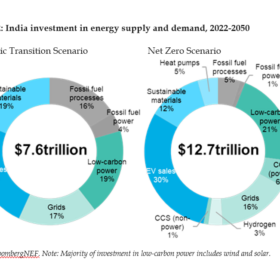
India’s energy system requires investments totaling $12.7 trillion between 2022 and 2050 to reach net-zero emissions by mid-century.
German consumer group debunks residential battery misconceptions
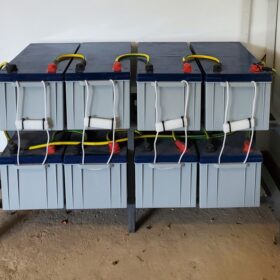
Verbraucherzentrale NRW, a German consumer protection association, has issued a warning about five misleading assumptions about PV-linked residential battery systems.
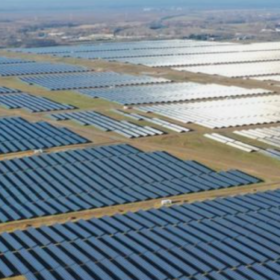
India added 3.6 GW of solar in first half of 2023
The new solar addition in the first six months of 2023 was 53% less year-on-year, mainly because of extensions for several large-scale projects.
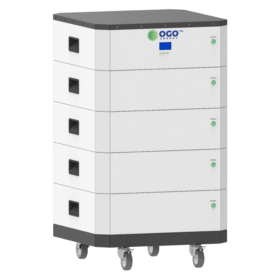
OGO Energy launches residential battery storage solutions
India’s OGO Energy has launched battery energy storage systems with indigenously developed smart battery management system. These systems feature a modular design. Up to five battery modules of 5.12 kWh each can be combined to give a storage capacity of 25.6 kWh.

Unveiling India’s carbon credit revolution: From local initiatives to global impact
The Indian carbon credit system, operating under the Clean Development Mechanism (CDM) and the United Nations Framework Convention on Climate Change (UNFCCC), stands ahead in several aspects.
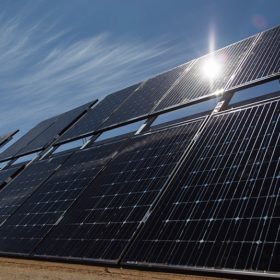
ReNew reports profit in Q1 FY 2024
The Indian renewable energy developer recorded a net profit of INR 2,983 million ($ 36 million) for the three-month period ended June 30, 2023, compared to a net loss of INR 104 million in the corresponding period last year.

Solar-powered islands? The story of Diu and T’au
The solar-powered islands of Diu and T’au have set an example for other such land masses to meet their power requirements through green energy.
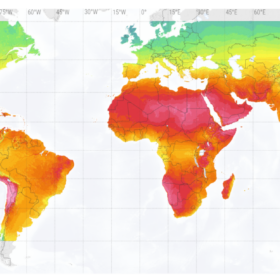
New study claims PV industry is neglecting overirradiance issues
Overirradiance conditions may affect the operating performance of photovoltaic plants, the stability of the electrical grid, and the efficiency of inverters. A research team has warned these effects are currently not being given proper consideration by the solar industry.
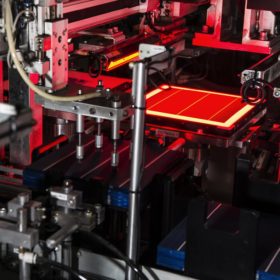
Solar sovereignty: India’s path to sustainable independence and green revolution
The Indian government is actively steering the nation towards a sustainable and environmentally-conscious energy future. However, this juncture calls for a strategic alignment of protective measures to ensure their intended outcomes, notably reducing India’s reliance on energy imports and positioning the nation as a global hub for solar manufacturing.

Biwatt unveils new residential sodium-ion batteries
Biwatt Power, a Chinese manufacturer, has developed new residential sodium-ion batteries with an efficiency rate of 97% and a projected lifespan of more than 3,000 cycles.