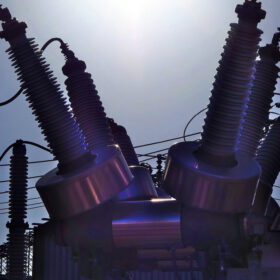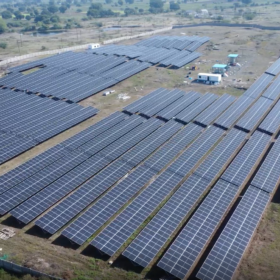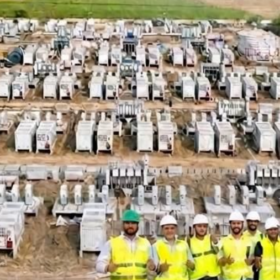
Solar-powered islands? The story of Diu and T’au
The solar-powered islands of Diu and T’au have set an example for other such land masses to meet their power requirements through green energy.
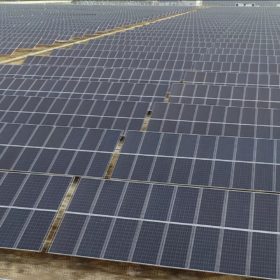
SJVN’s 1 GW Bikaner solar project to become operational by September next year
The state-run hydropower producer is developing a 1 GW solar project in the Bikaner district of Rajasthan. The total project outlay is around INR 5,500 crore ($661.61 million).
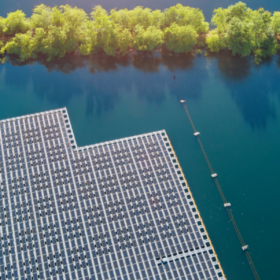
Acen plans 1 GW of floating solar in Philippines
Acen, a unit of Ayala Group, says it plans to develop 1 GW of floating solar on the largest freshwater lake in the Philippines.
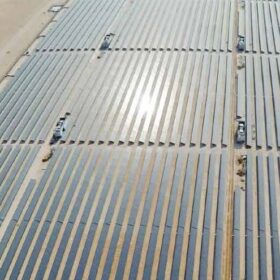
Masdar wins Dubai’s tender for 1.8 GW solar farm
Masdar submitted the lowest bid of $0.0162154/kWh in the procurement exercise. The total capacity of the solar energy projects commissioned at the Mohammed bin Rashid Al Maktoum Solar Park has reached 2,427MW.
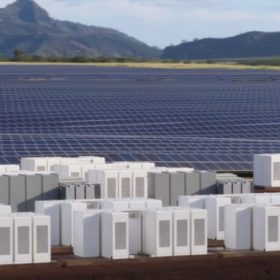
SECI tenders 800 MW of renewables storage
Solar Energy Corp. of India (SECI) has launched a tender to select developers for 800 MW of firm and dispatchable power from renewable power projects with energy storage systems. Bidding closes on Sept. 29.
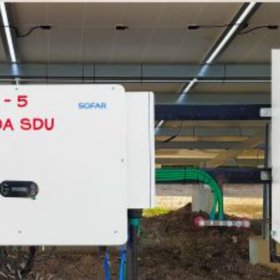
Sofar signs inverter supply contract for 100 MW solar project in India
The Chinese manufacturer will ship its 255KTL-HV string inverters for Velan Infra’s 100 MW solar power project in Tamil Nadu.
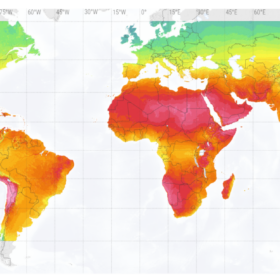
New study claims PV industry is neglecting overirradiance issues
Overirradiance conditions may affect the operating performance of photovoltaic plants, the stability of the electrical grid, and the efficiency of inverters. A research team has warned these effects are currently not being given proper consideration by the solar industry.

Solar sovereignty: India’s path to sustainable independence and green revolution
The Indian government is actively steering the nation towards a sustainable and environmentally-conscious energy future. However, this juncture calls for a strategic alignment of protective measures to ensure their intended outcomes, notably reducing India’s reliance on energy imports and positioning the nation as a global hub for solar manufacturing.
SJVN, Punjab discom sign PPAs for 1.2 GW of solar projects
SJVN Green Energy Ltd will develop a cumulative 1.2 GW of solar projects to supply power to Punjab State Power Corp. Ltd. The cumulative project cost is estimated at INR 7,000 crore ($843.39 million).
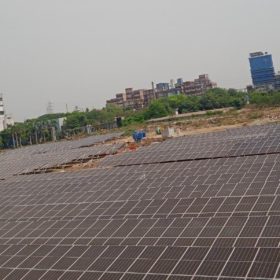
Gensol Engineering’s Q1 FY 2024 revenue surges 47% YoY
Gensol Engineering has posted a 47% year-on-year increase in its revenue to INR 1,517 million ($18.27 million) for the first quarter of fiscal 2023-24.