The Hydrogen Stream: Hygenco, Mitsubishi partner to deliver green hydrogen-fired GTCC power plants
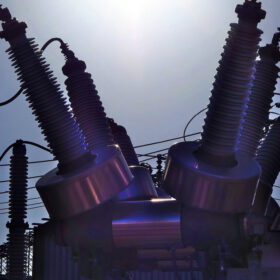
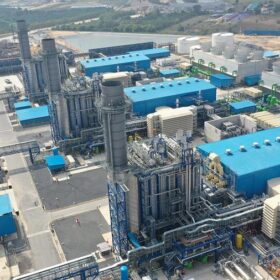
Hygenco Green Energies has signed a memorandum of understanding (MoU) with Mitsubishi Heavy Industries and Mitsubishi Power to deliver green hydrogen-/ammonia-fired gas turbine combined cycle (GTCC) power plants.
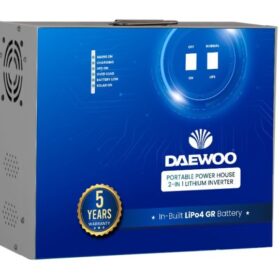
Daewoo launches hybrid battery-inverters for residential PV
Daewoo’s new hybrid inverters feature LiFePO4 batteries. They are available in six variants, with power ratings ranging from 0.5 kVA to 10 kVA.
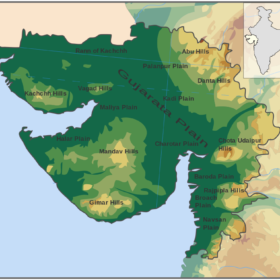
NTPC tenders 225 MW solar, NHPC 200 MW in Gujarat
NTPC Renewable Energy Ltd has invited bids to install and commission 225 MW of grid-connected solar PV projects in Khavda, Gujarat. NHPC has tendered the EPC contract for a 200 MW grid-connected PV power project in Khavda.
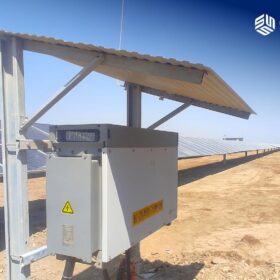
Sineng Electric supplies inverters for 641 MW solar project in Gujarat
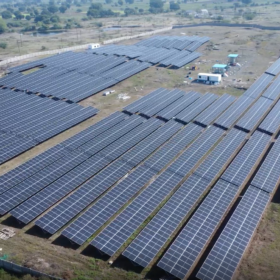
Sineng supplied 2,887 units of its 275 kW string inverters (SP-275K-INH) for a 641 MW solar project at the 30 GW Khavda Solar Park in Gujarat. The solar project is developed and owned by Adani.

Aerem acquires Spinkraft
Aerem Solutions, a solar fintech company in India, has entered into a definitive agreement to acquire solar equipment distributor Spinkraft Ventures.
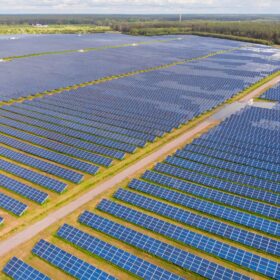
Onix Renewable wins 187 MW of solar projects under PM Kusum Yojana
Onix Renewable arm Onix Trans Stellar will build 187 MW of solar projects under Component C of PM KUSUM Scheme. It will execute these projects across 60 different locations in Gujarat.
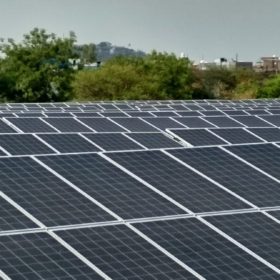
Oriano secures EPC order for 75 MWp solar power plant
Oriano Clean Energy has received the engineering, procurement and construction (EPC) contract for a 50 MW AC/ 75 MWp solar power plant. The plant commissioning period is seven months.

The rise of solar co-ops: Collective action for installation advancement
Ishan Chaturvedi, director and co-founder at Vareyn Solar , talks about harnessing solar power with solar cooperatives in India.
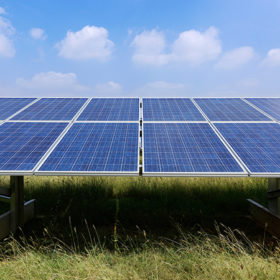
Maharashtra extends bidding for 5 GW of solar
Maharashtra State Electricity Distribution Co. Ltd (MSEDCL) has extended the bidding to set up 5 GW of solar power projects anywhere in India for power supply to MSEDCL under a 25-year PPA. The revised bidding deadline is June 18.

Bangladesh seeking consultants for 100 MW solar plant
The Bangladeshi government has issued a call for consultants to conduct a feasibility study, initial environmental examination, and environmental and social impact assessment for a 100 MW solar plant. The consultants will also be expected to survey the transmission line route for connection to the nearest grid substation.