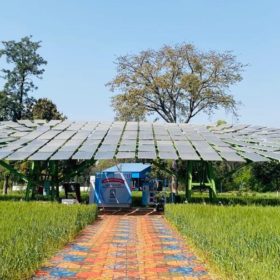
World’s largest solar tree record smashed
With a PV panel surface area of 309.83m2 the construction has been officially certified by Guinness World Records as the biggest.
Himachal Pradesh to empanel rooftop solar installers, Madhya Pradesh tenders 440MW under PM KUSUM
March 24 is the last date to submit bids for setting up grid-connected rooftop solar systems on domestic, government, and other buildings in the State of Himachal Pradesh. Madhya Pradesh has invited solar power developers to implement an aggregate 440MW (AC) of grid-connected solar PV systems under component A of PM KUSUM scheme.
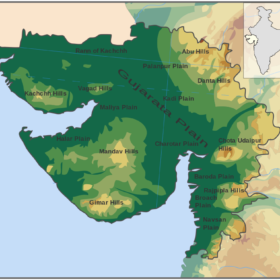
Goldi Solar to solarize an entire village in Gujarat
The Gujarat-based solar panel manufacturer and EPC services provider has been chosen by Shree Ramkrishna Knowledge Foundation to set up 450kW of solar rooftop projects to power around 350 houses and public areas in the village of Dudhala.
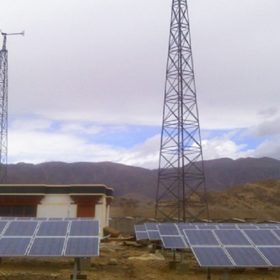
MSEDCL tenders 445MW of distributed solar under PM KUSUM
March 17 is the deadline to bid for setting up grid-connected solar power plants in sizes of 0.5MW to 2MW on uncultivable land for selling the power to the State Discom.
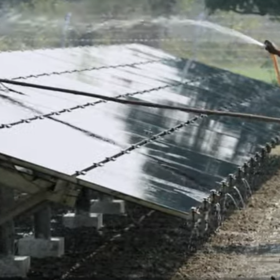
Husk Power Systems secures largest-ever debt finance for solar microgrids in rural India
The Bihar-based rural clean energy services provider has received US$4 million from India Renewable Energy Development Agency (IREDA) to construct 140 microgrids in the states of Uttar Pradesh and Bihar.
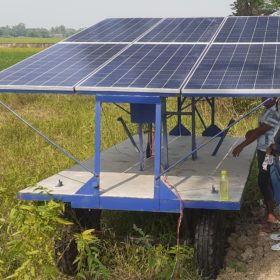
Mobile solar pumping system deployed in remote areas
Researchers at the Indian Institute of Technology Bhubaneswar have developed a solar power system that can be easily moved between farms to pump water for irrigation. The kit comprises solar panels and an inverter to power a surface-mounted pump.
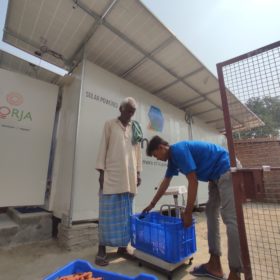
MNRE notifies framework for promotion of distributed renewable energy-based livelihood applications
The framework will guide the state-level and central government ministries and other stakeholders in formulating schemes and programs for the promotion of distributed renewable energy-based livelihood applications.
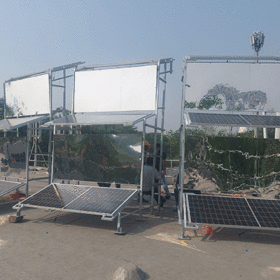
Portable, space-saving solar towers
Researchers at the Indian Institute of Technology Delhi have developed solar towers that can be moved from one place to another and can generate 20-30% more power while requiring only 50-60% space compared to conventional mounting setups.
Maharashtra tenders 865 MW of distributed solar
Bidders have until February 28 to lodge their interest in developing grid-connected, ground-mounted solar plants in sizes of 2-10 MW in various districts of Maharashtra. The ceiling tariff is fixed at INR 3.10/kWh.

Solar water pumps redefining farmers’ lives
With solar water pumps, farmers have access to high-quality power available for irrigation. These systems are portable and can be assembled at any preferred location. With the growing utilization of these systems, the costs have decreased substantially, making them an efficient, convenient, and cost-effective solution for grid-isolated rural areas.