Lithium-ion batteries differ in terms of risk
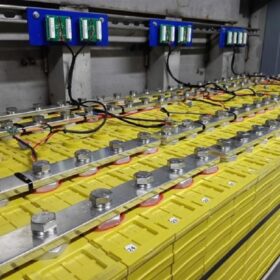
As the energy storage trend unfolds, stories litter the media landscape about lithium-ion batteries catching fire, and even exploding. This is a valid concern, as the time for consumers to understand a basic truth about lithium-ion batteries is long past due.
Epsilon Group acquires LFP cathode technology centre in Germany
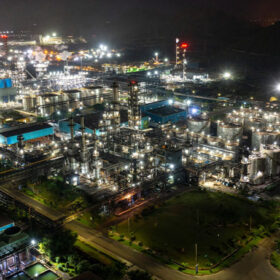
The purchase follows Epsilon’s recent $1.1 billion investment in the establishment of a 100,000-ton cathode battery materials manufacturing facility in Karnataka, India.

Amara Raja Batteries is now Amara Raja Energy & Mobility
Amara Raja Batteries has changed its name to Amara Raja Energy & Mobility as it directs its focus to becoming a comprehensive solutions provider in the energy and mobility space.
JSW Cement begins EV trials to reduce carbon footprint in logistics
JSW Cement plans to transition to EV trucks across its manufacturing operations. Toward achieving that goal, it has initiated an EV truck pilot project between its manufacturing operations in Karnataka and Andhra Pradesh.
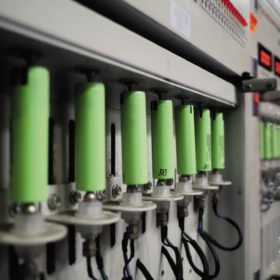
Shyam Metalics to make aluminum foil for lithium-ion cells
Shyam Metalics’ entry into battery-grade aluminum foil at scale will support domestic Lithium-ion battery production.
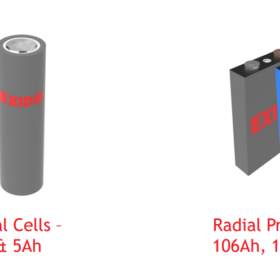
Exide Energy to produce NCM, LFP lithium battery cells initially
Exide Energy is setting up 6 GWh of lithium battery capacity initially, including 3 GWh for lithium nickel cobalt manganese oxide (NCM) and lithium iron phosphate (LFP) cells each. It plans to scale it to 12 GWh in the near future.
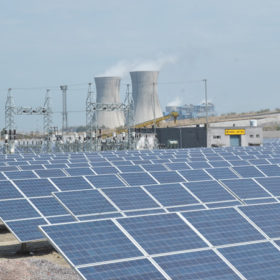
India needs $15 trillion to achieve net zero by 2070, says FICCI-Deloitte report
To decarbonize the grid, India needs to add 40-50 GW of grid-scale renewable energy (solar and wind) capacity every year for the next few decades and phase out coal.
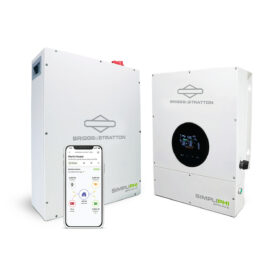
Briggs & Stratton launches new lithium iron phosphate battery packages
The battery packages include a battery, an inverter and a control system. The US manufacturer claims its storage systems have a lifespan of over 10,000 cycles and a depth of discharge of 80%.
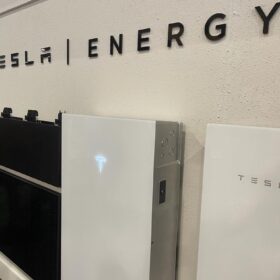
Tesla proposes battery storage factory in India
Tesla has submitted a proposal to the Indian government to set up a battery storage factory in India as the company looks to develop Powerwall business in the nation.
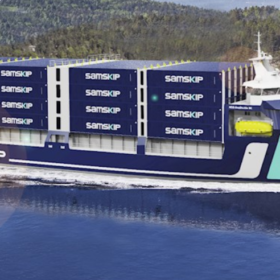
ABB to power Samskip’s new hydrogen-fueled container vessels
ABB has secured a complete power, propulsion, and automation systems order for Samskip Group’s hydrogen-powered container vessels. Built by Cochin Shipyard Ltd, the largest shipbuilding and maintenance facility in India, these vessels are among the first in the world to demonstrate the potential of hydrogen fuel cells as a clean and renewable fuel source.