





For decades, the Indian power sector operated on a simple, linear premise: generate power in massive coal plants, step it up, transmit it over hundreds of kilometers, and step it down for the consumer. As transformer manufacturers, our role was clear we built the static, heavy-duty “muscle” that kept this one-way flow moving.
But today, the script has flipped.
With India chasing 500 GW of non-fossil fuel capacity by 2030, and the PM-KUSUM scheme gaining traction, the grid is no longer linear. It is becoming a dynamic, bi-directional web of distributed energy.
While policy discussions focus on solar tariffs and farmer incentives, we see a different challenge emerging on the factory floor: Infrastructure Redefinition. The humble transformer is being asked to do things it was never originally designed to do.
The “Inverter Duty” Challenge
The first major shift comes from the utility-scale solar parks and decentralized power plants promoted under PM-KUSUM Component A (ground-mounted solar plants on farmland).
Connecting a solar array to the grid isn’t as simple as plugging in a wire. Solar inverters produce “chopped” AC waveforms rich in harmonics; electrical noise that causes standard transformers to overheat and vibrate.
To support this, we have moved from manufacturing standard power transformers to specialized Inverter Duty Transformers.
These are engineering marvels designed with multiple windings (often 3, 4, or 5) to connect several inverters simultaneously to a single grid connection. They feature electrostatic shields between windings to prevent the “dirty” switching frequencies of solar inverters from polluting the main grid. For us, this means tighter manufacturing tolerances and higher-grade insulation materials. We aren’t just stepping up voltage anymore; we are actively filtering and stabilizing the power quality before it hits the transmission lines.
PM-KUSUM Component C: The Grid-Edge Revolution
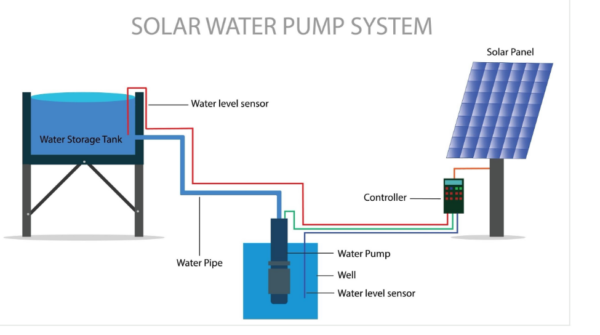
The real game-changer, however, lies in Component C of the PM-KUSUM scheme—the solarization of agricultural feeders. This initiative aims to solarize individual pumps or entire agricultural feeders, allowing farmers to use solar power for irrigation and sell surplus power back to the DISCOMs.
This sounds excellent on paper, but it creates a massive technical challenge at the distribution level.
Thousands of Distribution Transformers (DTs) in rural India, which sat quietly for years pushing power to the farmers, must now handle power flowing back from them. This bi-directional power flow changes the stress profile on the equipment.
Engineering for the “Last Mile”
Rural India is a harsh environment for electrical equipment. Transformers there face extreme heat, dust, and often, unstable loading conditions. With the expansion of solar pumps, these units are now critical revenue nodes for farmers. Downtime isn’t just an inconvenience; it’s a loss of income.
As manufacturers, we are responding with two key innovations:
Robust “Fit-and-Forget” Designs: We are utilizing hermetically sealed tank designs and high-temperature ester fluids (instead of mineral oil) to ensure these transformers can survive in remote fields with minimal maintenance.
Smart Integration: Under PM-KUSUM, monitoring is non-negotiable. We are integrating IoT-enabled sensors directly into the transformer body. These smart units track load patterns, oil temperature, and voltage fluctuations in real-time. If a farmer’s solar pump feeds back too much voltage, the utility knows instantly. This visibility transforms the rural grid from a “black box” into a managed asset.
The Efficiency Imperative
Finally, we must address the “invisible fuel” of the power sector: Efficiency.
In the past, rural agricultural feeders were notorious for high technical losses. A significant portion of power was lost as heat in inefficient, older transformers. Today, aligned with Bureau of Indian Standards (IS 1180) norms, we are producing low-loss transformers using amorphous core technology or high-grade Cold Rolled Grain Oriented (CRGO) steel.
We operate on the principle that every watt saved is a watt generated. A transformer does not generate power; it only converts it. But if we can reduce the core losses of a transformer by even 20%, we effectively “generate” that much more power for the grid without burning a single lump of coal.
Conclusion: The Backbone of a New Era
The expansion of solar energy in India is often measured in gigawatts of panels installed. But the true measure of success will be the resilience of the infrastructure connecting those panels.
From the multi-winding giants sitting in solar parks to the rugged, smart distribution transformers humming in a farmer’s field, our industry is building the backbone of this transition. We are ensuring that when the sun shines in rural India, the power doesn’t just stay there–it travels, efficiently and reliably, to power the nation’s growth.
The views and opinions expressed in this article are the author’s own, and do not necessarily reflect those held by pv magazine.
This content is protected by copyright and may not be reused. If you want to cooperate with us and would like to reuse some of our content, please contact: editors@pv-magazine.com.




By submitting this form you agree to pv magazine using your data for the purposes of publishing your comment.
Your personal data will only be disclosed or otherwise transmitted to third parties for the purposes of spam filtering or if this is necessary for technical maintenance of the website. Any other transfer to third parties will not take place unless this is justified on the basis of applicable data protection regulations or if pv magazine is legally obliged to do so.
You may revoke this consent at any time with effect for the future, in which case your personal data will be deleted immediately. Otherwise, your data will be deleted if pv magazine has processed your request or the purpose of data storage is fulfilled.
Further information on data privacy can be found in our Data Protection Policy.