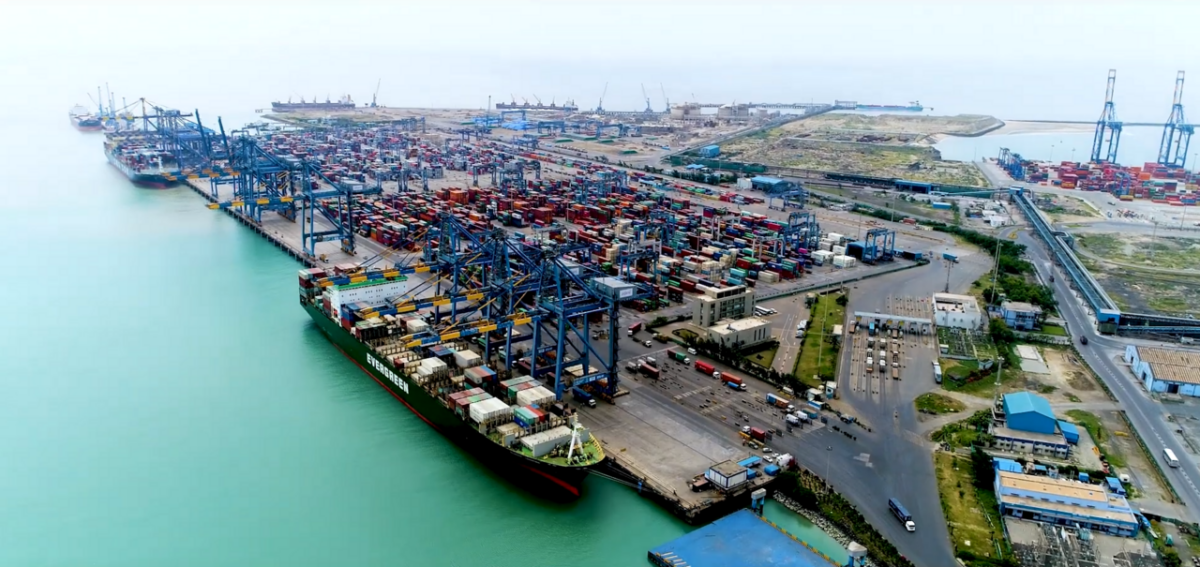





The U.S. Department of Commerce has announced preliminary affirmative determinations in its countervailing duty (CVD) investigations into crystalline silicon photovoltaic cells and modules imported from India, Indonesia and Laos.
U.S. authorities said the investigations found that solar manufacturers in the three countries benefited from government subsidies that distort competition and injure domestic producers.
According to the Department of Commerce’s preliminary findings, the level of subsidization varies significantly across the countries under review.
Imports of solar products from the three markets expanded sharply during the period investigated. Shipments from India increased from roughly 232 MW in 2022 to more than 2.29 GW in 2024, reaching a value of nearly $793 million. Indonesian volumes also rose markedly, climbing to 1.8 GW in 2024, worth around $416 million. Laos recorded exports of 1.9 GW over the same period, with a total value of approximately $336 million.
Imports from India are subject to a preliminary countervailing duty rate of 125.87%. For Indonesia, subsidy rates range from 85.99% to 143.30%, depending on the manufacturer, while companies not individually examined face a rate of 104.38%. For Laos, the Department of Commerce calculated a uniform subsidy rate of 80.67%.
The Alliance for American Solar Manufacturing and Trade, a coalition of US solar manufacturers, brought the cases to target US solar imports from these three country in August. In June, the alliance secured steep duties against PV imports from Cambodia, Malaysia, Thailand and Vietnam.
This content is protected by copyright and may not be reused. If you want to cooperate with us and would like to reuse some of our content, please contact: editors@pv-magazine.com.




By submitting this form you agree to pv magazine using your data for the purposes of publishing your comment.
Your personal data will only be disclosed or otherwise transmitted to third parties for the purposes of spam filtering or if this is necessary for technical maintenance of the website. Any other transfer to third parties will not take place unless this is justified on the basis of applicable data protection regulations or if pv magazine is legally obliged to do so.
You may revoke this consent at any time with effect for the future, in which case your personal data will be deleted immediately. Otherwise, your data will be deleted if pv magazine has processed your request or the purpose of data storage is fulfilled.
Further information on data privacy can be found in our Data Protection Policy.