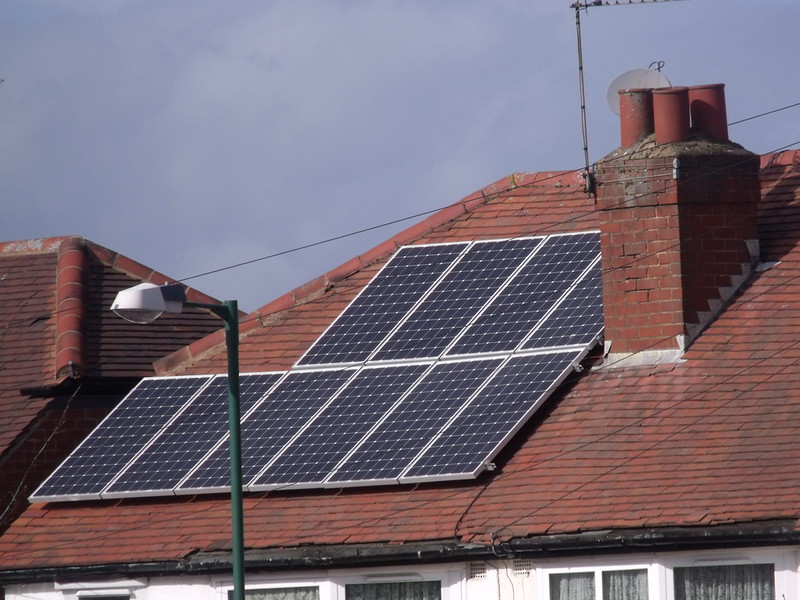





India’s solar growth is now moving strongly toward rooftops, and Tier-2 and Tier-3 cities are going to be the major contributors to this transition. With solar systems becoming more affordable, the increase in demand for electricity and the availability of easy financing are the factors that bring the smaller cities into the limelight regarding rooftop solar. People in these cities and towns are getting more and more aware of the savings and benefits that come with the long-term, thus a big and rapidly developing market is created.
As per the data from JMK Research, the addition of approximately 8 GW of rooftop solar capacity is predicted in India during FY2026 which is a strong indication that the roof-based installations will be a significant part of the country’s solar growth in the near future.
Numbers that matter
- National momentum: The cumulative solar capacity of India has crossed 132 GW (across all the segments) and the speed of rooftop installations has experienced a strong boost during the years 2024 and 2025.
- Rooftop outlook: Analysts predict 8 GW of rooftop addition in FY2026, along with 32 GW of utility-scale development taking place simultaneously – indicating the increasing proportion of rooftop in the market pipeline.
- Residential traction: Around 2.4 million households have installed rooftop solar power systems (approximately 7 GW residential capacity) under PM Surya Ghar and considerable subsidy payments have been made already – a clear indication that consumer adoption is getting wider and going beyond the pilot areas.
- Fast growth in the near term: The industry observers reported more than 70% year-on-year increase in rooftop additions for early 2025 (H1), which included distributed solar power through residential, commercial and institutional customers outside metros.
Why Tier-2 and Tier-3 cities will lead the rooftop wave
- Untapped rooftop inventory: A considerable number of single-owner residences, universities, hospitals, SMEs, and hotels in smaller cities are the best ones to have rooftop systems but the access is limited compared to the metropolitan areas. (CEEW and sector studies reveal the existence of geographic imbalances and demand in areas outside major cities.)
- Policy and subsidy tailwinds: Central schemes (housing subsidy programs), state net-metering and simplified approval processes in many states have been reducing friction – especially where states and local bodies run active outreach campaigns.
- Trust in locals and setup speed: Vendors offering fast on-the-ground support, clear paperwork and local financing are preferred in tier-2/3 markets, which is a competitive axis where national players often underperform.
Go-to-market playbook
- Cluster approach – Select corridors of 5-10 cities within a state (for example, around tier-2 hubs). This allows for shared logistics, a single service center, and targeted marketing.
- Local involvement – Engage local electricians, solar MSMEs, and RWAs; Co-brand pilot installations to build trust quickly.
- Finance and Subsidy Concierge – NBFCs offer on-the-spot subsidy processing and pre-approved EMI offers through partners to reduce decision friction.
- Product tailoring – Small, modular packages for rental apartments and corner shops; Bundled B2B packages with instant payments for schools, hotels, and hospitals.
- Digital Ops + Remote Monitoring – Each installation includes a basic IoT monitor (dashboard for customer + ops) to present real-time savings.
- Local manufacturing/assembly tie-ups – Local light assembly of racking/inverter units can also lower costs and win “Make in India” sentiments.
Market size and revenue implications
- Near-term addressable additions: Analysts predict ~8GW of rooftop additions in FY2026, and market reports expect the rooftop market to grow at a double-digit CAGR which indicates that by 2030 the total rooftop market could grow to several tens of GW. Therefore, targeted regional strategies could result in capturing a significant share of annual installations.
- Business Model Levers: Sales + EMI finance + 5-year O&M combination can increase customer lifetime value by 20-40% compared to one-time sales; Monitoring, maintenance, and battery add-ons for customers become the draw as they seek flexibility.
Conclusion
Tier-2 and Tier-3 cities are no longer behind in the solar journey, they are becoming the main growth drivers. With better government support, easier net-metering rules, and more awareness about savings, people in smaller cities are now ready for rooftop solar in a big way.
The year 2026 will be a turning point because demand, policies, and affordability are all coming together at the right time. Companies that understand these cities, build trust, and offer reliable rooftop solutions will grow the fastest. The rooftop revolution is no longer limited to big metros; it is rising from India’s heartland.
The views and opinions expressed in this article are the author’s own, and do not necessarily reflect those held by pv magazine.
This content is protected by copyright and may not be reused. If you want to cooperate with us and would like to reuse some of our content, please contact: editors@pv-magazine.com.




By submitting this form you agree to pv magazine using your data for the purposes of publishing your comment.
Your personal data will only be disclosed or otherwise transmitted to third parties for the purposes of spam filtering or if this is necessary for technical maintenance of the website. Any other transfer to third parties will not take place unless this is justified on the basis of applicable data protection regulations or if pv magazine is legally obliged to do so.
You may revoke this consent at any time with effect for the future, in which case your personal data will be deleted immediately. Otherwise, your data will be deleted if pv magazine has processed your request or the purpose of data storage is fulfilled.
Further information on data privacy can be found in our Data Protection Policy.