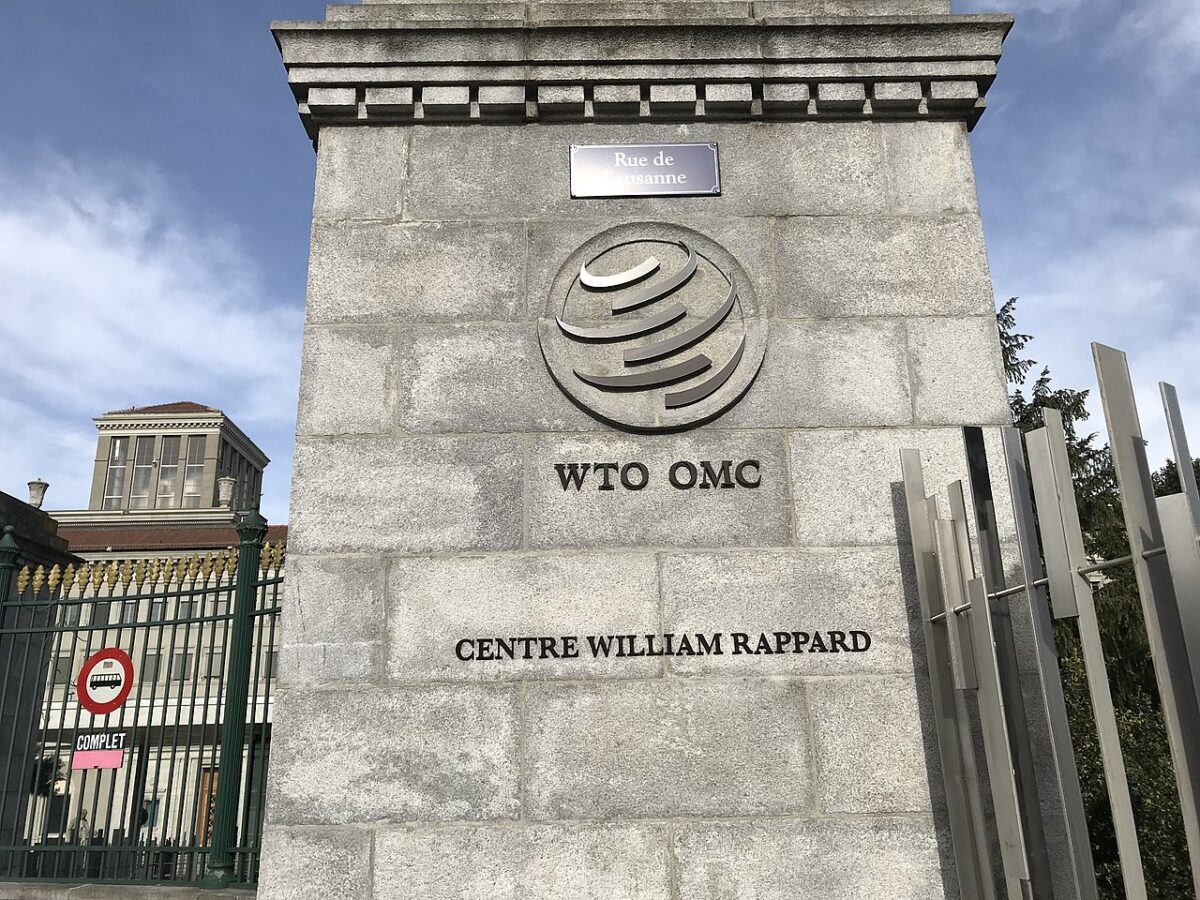





China has lodged a case with the World Trade Organization (WTO) against India over the country’s subsidies for its photovoltaic sector, the Chinese commerce ministry has confirmed.
The ministry says a request for consultations to India was submitted at the WTO on December 9 and relates to both the country’s solar subsidies and its tariff measures on information and communication products.
The Chinese ministry claims the measures violate several WTO obligations, including binding tariffs and national treatment, and constitute import substitution subsidies, which are prohibited by the WTO. The ministry added that this gives India’s domestic industries an unfair competitive advantage and harms China’s interests.
“This is another firm step by China to safeguard the legitimate rights and interests of its domestic industries, following its lawsuit against India’s electric vehicle and battery subsidies,” a statement from the ministry adds. “We once again urge India to abide by its relevant commitments at the WTO and immediately correct its erroneous practices.”
This is the second complaint China has raised against India via the WTO in recent months, after it filed a separate objection in October relating to India’s state subsidies for electric vehicles and battery production.
The WTO helps to regulate disputes related to clean energy technologies by preventing local content rules, such as domestic solar subsidies, from unfairly favouring domestic green tech companies. It also works to ensure environmental policies do not become hidden trade barriers.
In October, pv magazine reported that while WTO law remains binding in such cases, the organization is in crisis, with its main dispute settlement authority no longer functioning.
This content is protected by copyright and may not be reused. If you want to cooperate with us and would like to reuse some of our content, please contact: editors@pv-magazine.com.




By submitting this form you agree to pv magazine using your data for the purposes of publishing your comment.
Your personal data will only be disclosed or otherwise transmitted to third parties for the purposes of spam filtering or if this is necessary for technical maintenance of the website. Any other transfer to third parties will not take place unless this is justified on the basis of applicable data protection regulations or if pv magazine is legally obliged to do so.
You may revoke this consent at any time with effect for the future, in which case your personal data will be deleted immediately. Otherwise, your data will be deleted if pv magazine has processed your request or the purpose of data storage is fulfilled.
Further information on data privacy can be found in our Data Protection Policy.