Car industry copper demand to surge 250% due to EVs
By considering use of the metal in charging infrastructure, analyst Wood Mackenzie has found higher demand from the mobility sector than is the case if only the volume of the material required for vehicle construction is examined.
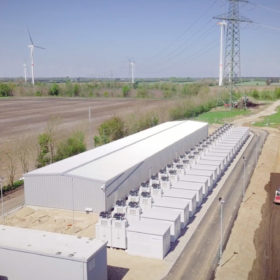
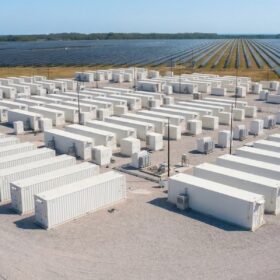
Energy storage installations to grow 122-fold by 2040; India among top 3
The global installed capacity will grow from a modest 9 GW/17 GWh as of 2018 to 1,095 GW/2,850 GWh in the next two decades. Just 10 countries will account for almost 75% of the overall gigawatt market, with China, USA, India and Germany leading the pack.
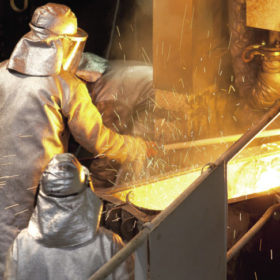
The long read: Battery recycling is possible
A gloomy atmosphere currently hangs over the lithium-ion supply chain. Stationary battery storage equipment and electromobility offer tremendous opportunities. Yet many experts have concerns about the raw material supply and recycling situation. Christian Hagelüken, the Director of EU government affairs at Umicore, a major recycler and supplier of cobalt, explains his view of the situation.
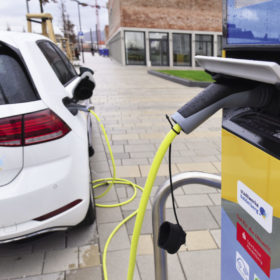
India set to acquire lithium for EV batteries in 6 months
The acquisition would be made through Khanij Bidesh India Ltd (KABIL)—a joint venture of three public-sector mining units—which recently visited the Lithium Triangle countries in South America (Chile, Argentina and Bolivia) to explore the possibility of lithium acquisition.