The Hydrogen Stream: World’s first green hydrogen plant to heat steel
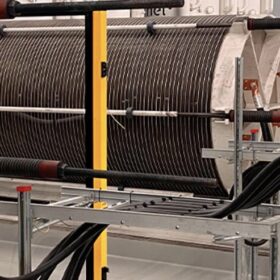
Hitachi Energy has delivered a modular solution to electrify a 20 MW electrolyzer to produce hydrogen to heat steel before rolling, while Enapter has unveiled its AEM electrolyzers for industrial and refuelling pilot projects.
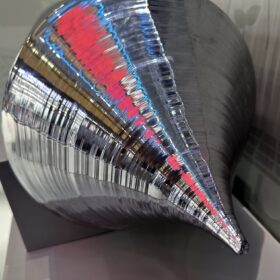
Indian scientists making high-purity polysilicon ingots from recyled PV cells
Indian scientists have produced high-purity polysilicon ingots from recycled solar cells using “spark plasma sintering” (SPS), and claim they may achieve a purity level comparable to commercially available products.

Gautam Solar granted patent for innovation in PV module production
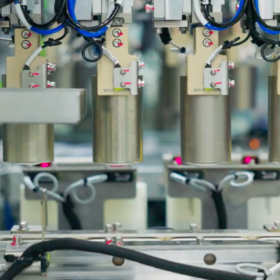
Gautam Solar claims its bussing tool reduces manual work by over 50% and doubles solar panel yield, at a fraction of the cost of an automatic machine.

UK firm to supply argon recycling technology to 2 GW Mundra solar facility
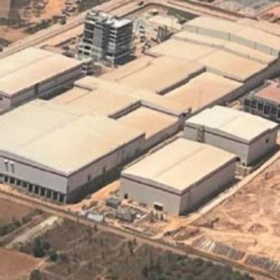
Surrey-based Gas Recovery and Recycle Ltd (GR2L) will supply its ArgonØ machinery that can recycle up to 95% of argon used in the fabrication of silicon wafers for solar panels.
Crisil to acquire Bridge To India Energy
The acquisition will enhance Crisil’s positioning in consulting services for the renewables and new energy sector.

Researchers claim PV near railway tracks is technically feasible
Despite soiling and mechanical stress, PV deployed between or close to rail tracks is not just a crazy idea, states a Bangladeshi-Australian research group. The scientists conducted a techno-economic analysis on a 128 kW demonstrator and found it may achieve a levelized cost of energy of only $0.052/kWh.
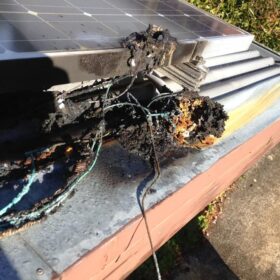
DC isolators trigger sharp increase in solar fires in Australia
Data shows a sharp increase in the number of fires caused by the DC isolators that separate the grid from solar panels. ABC News gathered state-by-state data revealing a dramatic increase in fire incidents in the last 12 months.

Fossil share in Rajasthan’s power mix drops to 50% as solar and wind surge
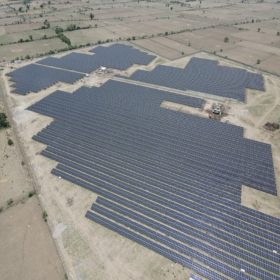
In Rajasthan, power generation from renewable energy sources (solar, wind, nuclear, hydro, and bioenergy) is now on par with fossil fuel-based generation.
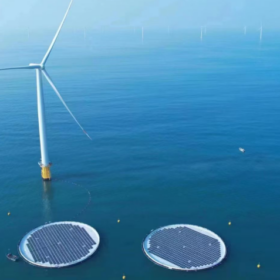
The Hydrogen Stream: Researchers test marine green hydrogen feasibility
Mexican researchers have revealed test results for offshore wind-based hydrogen production, while Turkey has started negotiating hydrogen facility partnerships with the United Arab Emirates.
Share of green power for cement companies expected to increase to 42% by FY2025: ICRA
Around 25% replacement of thermal power consumption by green power could yield 15-18% savings in power cost and 140-160 bps improvement in operating margins for cement companies