How AI can transform India’s energy ecosystem
By applying advanced machine learning and data analytics, AI can improve energy efficiency, strengthen grid resilience, and enable more intelligent and effective resource utilisation. Strategies for energy efficiency and innovations in smart grids powered by AI could generate up to $1.3 trillion in economic value by 2030.

ABB invests further $75 million to expand manufacturing and R&D footprint in India
ABB will invest a further $75 million in India during 2026 to significantly expand its manufacturing and research and development (R&D) capabilities for critical electrification and automation solutions.
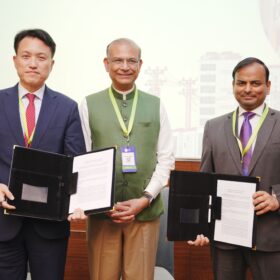
Global Energy Alliance announces $25 million Grids of the Future Accelerator platform
The Global Energy Alliance for People and Planet has launched the India Grids of the Future Accelerator platform to modernize power distribution, integrate renewable energy and storage, and prepare India’s grids for rapid demand growth.
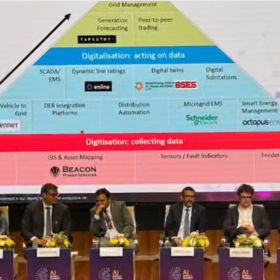
ISA unveils global mission to help 120+ member countries fast-track AI-enabled clean energy
The International Solar Alliance (ISA) convened a high-level session at the India AI Impact Summit 2026 to advance global dialogue on the transformative role of Artificial Intelligence (AI) in the clean energy transition.

Smart grids, smarter solar: Preparing India’s grid for high renewable penetration
Smart grids represent a fundamental shift in how electricity networks are planned and operated. By leveraging digital technologies, real-time communication, and automation, smart grids enable utilities to respond dynamically to changing grid conditions. For India, this transformation is critical to maintaining reliability while integrating large volumes of solar and wind power.

India’s smart metering boom: How decentralized IoT is reinventing the power grid
The Indian power system is evolving faster than most global peers. Electricity demand is rising. Rooftop solar, electric mobility, and distributed generation are accelerating. The grid, once designed for predictable one-direction flows, is becoming a dynamic, decentralised organism. To manage it, India requires data that is just as distributed as the energy sources feeding the system. This is where decentralised RF mesh networks have begun to play an important role.

Keeping the smart grid cyber secure
As smart grid tech is rolled out around the world to modernize legacy assets and integrate renewable energy generation, it is also making the electricity network more prone to cyber attacks. IEC Standards provide protection but they also are challenged to keep up with the latest threats.
Cybersecurity in India’s energy and utilities sector
As India accelerates its energy transition and modernises its grid infrastructure, the energy and utility sector will move beyond its traditional functionality. Cybersecurity, once a back-office IT concern, is now at the front, especially for Operational Technology (OT).

Bridging the digital divide: The reality of transformation in renewable energy
Digital adoption across the renewable energy value chain reveals a stark imbalance. Operations and maintenance (O&M) has embraced digitalization most enthusiastically, with SCADA systems and IoT-enabled devices revolutionizing efficiency through real-time monitoring and resource optimization. However, engineering, procurement, and construction (EPC) processes remain surprisingly under-digitized despite their critical importance.
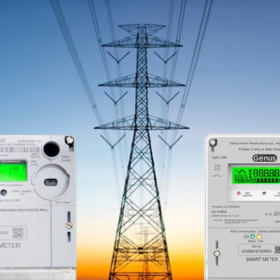
Genus Power wins advanced metering infra orders worth INR 3,608.52 crore
With these additions, Genus Power Infrastructures’ total order book, including all special purpose vehicles and the GIC Platform, stands at about INR 28,000 crore (net of taxes).