India would gain from differential electricity tariffs
More flexible prices during peak periods would incentivize the use of energy during times of lower demand and reduce the burden on the grid, according to a report by IEEFA. Day-ahead market pricing would better incentivize variable generation to ‘kick in’ at times of peak demand.
Energy Storage: 2019 will be a year of opportunities
With the announcement of a National Energy Storage Mission expected this month, 2019 is set to be a year of manufacturing and research and development opportunities in India’s storage sector
India will tender 500 GW renewable capacity by 2028
Of the colossal sum, 350 GW would be for solar. India currently has installed renewable energy capacity of 75 GW with a further 46 GW under implementation.
The long read: New technologies move to the back
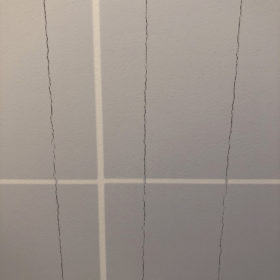
The tension between the cost cutting and performance boosting opportunities presented by new technologies and the tendency for risk aversion is never more evident than in PV module materials. This applies nowhere more than in backsheets, where new innovations are big on promise, but must convince manufacturers and the market of their long-term performance.
India floats mega tender of 7.5 GW for Jammu & Kashmir
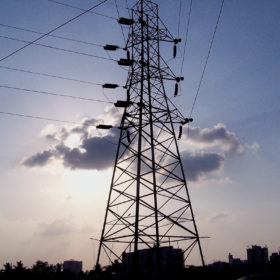
India’s Solar Energy Corporation of India has invited solar power developers to construct 7.5 GW grid connected projects in Leh and Kargil Districts in the state of Jammu & Kashmir under a competitive bidding process. Bid submission deadline is April 30. Tenders will be opened on the same day. The date of reverse auction will be advised at a later date.
The long read: The time is right
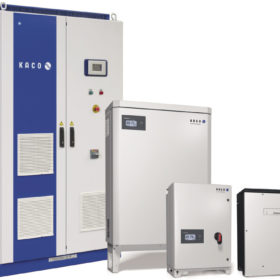
Kaco is launching a mass-produced string inverter with silicon carbide switches onto the market following 10 years of discussion about the technology within the industry. In the 100 kilowatt plus segment, the technology produces small, lightweight devices with few components.
The long read: Fit for the 21st century
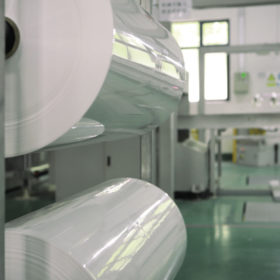
Co-extruded backsheets are opening up novel circular possibilities for the solar industry, as well as driving durability and lowering costs, writes Netherlands-based materials specialist DSM.
The long read: Materials matter
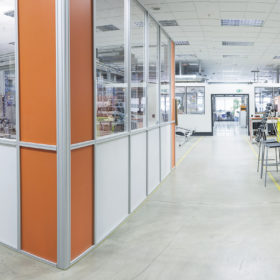
As problems with component failure have already laid bare, there is a clear need for contract clarity at every stage of a PV project, from material and component sourcing to power purchase and operations agreements. Here, pv magazine investigates a little covered issue for module buyers, which could threaten insurance coverage and the overall success of a project further down the line.
India will auction 80 GW of solar, wind capacity by March 2020
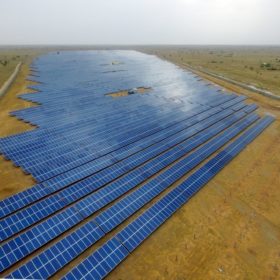
The Indian Government plans to tender 60 GW of solar and 20 GW of wind capacity by March 2020. This would complete the planned auctions for its targets of 100 GW solar and 60 GW wind installations by 2022, leaving two years for project execution, according to an year-end review by the Ministry of New and Renewable Energy (MNRE).
Green Climate Fund signs $100 million pact for India’s rooftop solar
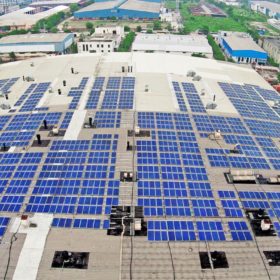
The Green Climate Fund (GCF) and the National Bank for Agriculture and Rural Development (NABARD) have signed an agreement to infuse US$100 million into an ambitious $250 million project designed to unlock private sector initiatives for the creation of rooftop solar power capacity across India.