Vikram Solar commissions 5 MW solar plant for state-owned Bharat Dynamics Limited
The plant was conceived under viability gap funding scheme for Ministry of Defence establishment to set up 300 MW of grid-connected and off-grid solar power projects at their locations.
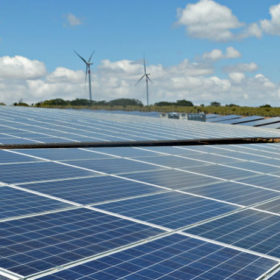
SECI tenders 1.2 GW ISTS-connected renewable energy projects with storage
The projects — solar, wind or a combination thereof — are expected to supply power for a minimum of six hours per day during periods of peak demand. The last date for bids is Sept. 17.
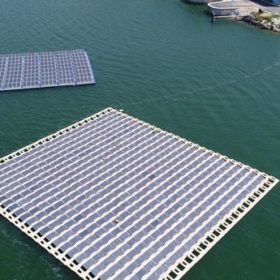
NTPC opens global bids for 20 MW floating solar project in Uttar Pradesh
The winning developer will be able to use solar modules and cells of any origin for the plant, which will be built in Auraiya district, Uttar Pradesh. Bidding closes on Sept. 5.
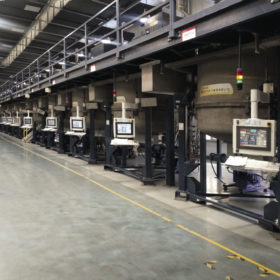
The long read: Change to the cast
Few in the industry predicted the speed at which monocrystalline technology would develop, or the impressive cost reductions it would achieve by 2019. This has left producers of multicrystalline products facing rapidly shrinking market share and struggling to compete on a cost per watt basis. Many are now turning to cast mono processes, essentially creating a monocrystalline, or ‘mono-like’ silicon ingot in a multicrystalline furnace, to reach higher efficiencies and extend equipment lifetimes.
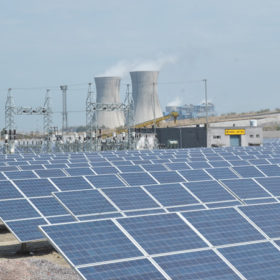
SECI tenders 1.5 GW solar with VGF support for state-run power generators
Micro and mini grid-connected projects will also be considered. The projects—to be developed on ‘build-own-operate’ basis—can be set up anywhere in India for self-use or use by government entities at maximum fixed tariffs of Rs 3.50/kWh. Bidding will close on August 23.
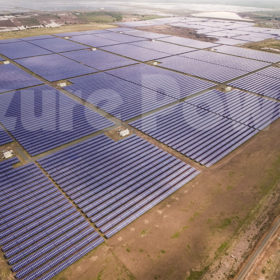
Azure Power wins 300 MW ISTS SECI solar project
The NYSE-listed solar developer now has 1.5 GW of interstate transmission system projects with sovereign counterparties—the largest such portfolio in India.
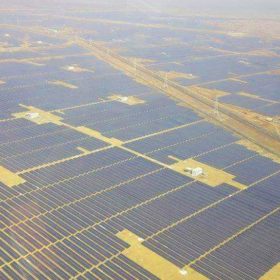
NSEFI asks ministry to intervene as Andhra Pradesh curtails renewable power
After High Court’s stay on tariff revision, the state government has resorted to unprecedented curtailment of wind and solar power projects.
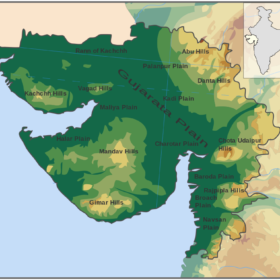
Tata Power to develop 250 MW project in Gujarat’s Dholera Solar Park
With this win, the company’s capacity under implementation would become 650 MW, which is in addition to the operating capacity of 2,476 MW (comprising 932 MW wind and 1544 MW solar capacity at utility scale).

Uttarakhand allots solar projects worth Rs 600 crore to local developers
The projects—to be set up in capacities of 100 KW and 5000 KW on the barren and uncultivatable lands—will generate an estimated 148.85 MW of solar power.
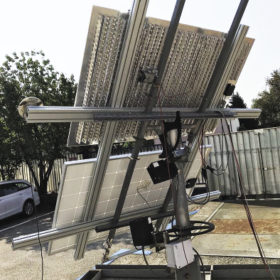
The long read: The importance of staying cool
“Solar cells prefer to operate in a refrigerator,” says UNSW Professor Martin Green. His global research team is now identifying viable ways to cool down solar PV modules while amping up energy production to an unprecedented level.