India is third largest producer of electricity in the world: Power minister
The government has signed Memorandum of Understanding with Bhutan, Bangladesh, Nepal, and Myanmar to inter-alia improve power connectivity and enhance energy trading in the region.

Pumped electricity storage makes a comeback in India, and the world is taking note
India’s energy storage juggernaut is on a roll with the country discovering the cheapest renewables cum storage tariff in history, anywhere in the world. The technology chosen is pumped storage. And by setting up an enabling environment, the government has signalled its commitment to boosting the market!
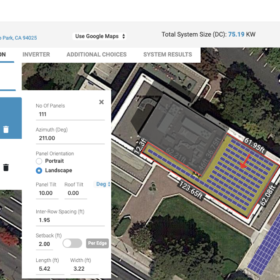
Delhi discom BRPL deploys Enact’s cloud platform to manage solar approvals
The digital platform automates the entire distributed solar project design and net metering approval process, which is crucial in today’s era of social distancing and remote business operations driven by COVID-19 globally.
Blackstone could provide Indian energy security a strong boost
For one of India’s largest foreign investors, it’s time to invest in renewables.
Analyst expects recovery for PV and storage supply chains
U.S.-owned analyst Wood Mackenzie expects solar demand to decline but predicts the market will recover, with the prospects for the energy transition remaining intact.
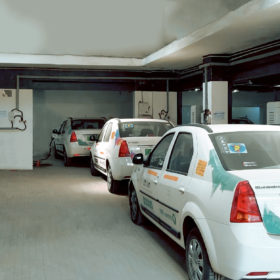
Fourth Partner Energy, Lithium Urban form JV to set up solar-powered EV charging infrastructure
Under joint venture ‘Shuchi Anant Virya,’ Fourth Partner Energy has commissioned solar powered charging facilities in Gurugram and Pune which will enable commercial electric vehicle (EV) fleet operator Lithium Urban Technologies to charge around 30 and 40 EVs, respectively, at the same time.
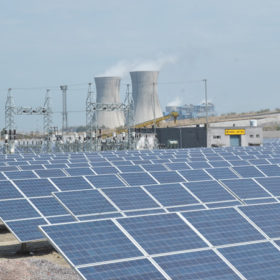
SECI tenders 5 GW of grid-connected renewable projects with storage option
The selected developers shall set up renewable power projects on build-own-operate basis anywhere in India and complement the generated renewable power with thermal power, if needed, to ensure round-the-clock power supply.
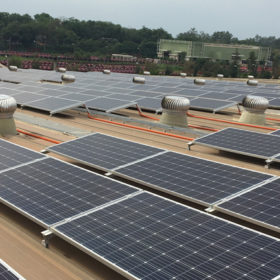
Mahindra Susten to install Bangladesh’s largest solar rooftop
The renewables business of the conglomerate will undertake its first project across the border by providing engineering, procurement and construction services on a Rs12.6 crore, 3.1 MW array for a German-Bangladeshi knitwear company which will buy the power generated for Rs5.71518/kWh.
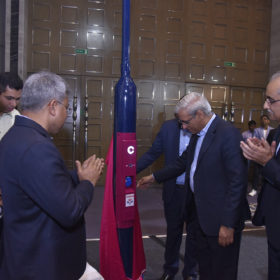
Magenta Power to roll out street lamp integrated EV charger
The ChargeGrid Flare, costing around Rs 95,000, shall enable faster deployment of curbside vehicle charging with less street clutter than other approaches.
Proposals invited for joint India-South Korea research in renewable energy and green mobility
Proposals must reach the Department of Science & Technology (DST), Government of India, and Ministry of Science and ICT (MSIT) of the Republic of Korea by May 8. Each selected project will be funded for a period of three years.