Ohmium to sponsor CSIR-CECRI research on advanced materials for electrolyzers
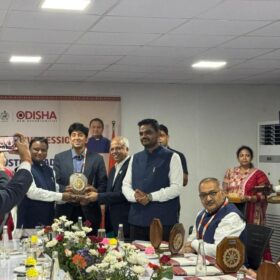
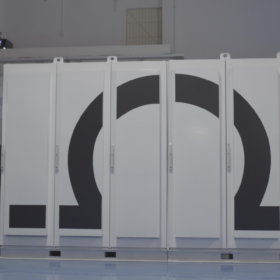
Ohmium has collaborated with India’s CSIR-Central Electrochemical Research Institute as it aims to make green hydrogen not only cost-effective but also scalable to meet the world’s demand. The sponsorship enables it to leverage CSIR-Central Electrochemical Research Institute’s deep expertise and resources for further development of electrolyzer technology.

Azure Power refinances its 600MW Rajasthan solar project at the lowest rate of interest in its portfolio to date
The Indian developer has refinanced its existing term loan of INR 23.50 billion (US$ 313 million) for the 600MW solar project at an interest rate of 7.2% per annum, fixed for 42 months.
IFC to support development of a 600MW solar park in Uttar Pradesh
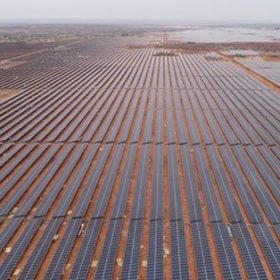
The solar project-ready site will be developed by state-run hydropower company THDC in a joint venture with the Uttar Pradesh New & Renewable Energy Development Agency. The International Finance Corporation will lend its expertise to attract private investment for the public-private partnership.

Bangladesh Army signs 1GW solar deal for training base
American power company Eleris Energy has agreed to construct five 200MW solar plants on the Swarna Dweep island administered by the army and used for training exercises, with the capacity due online within five years.
IIFL Home Finance signs $68 million loan agreement with ADB
The funding is aimed to boost women’s access to affordable green housing in India. It includes up to $58 million direct loan by the Asian Development Bank and a $10 million concessional loan by the Canadian Climate Fund for the Private Sector in Asia.
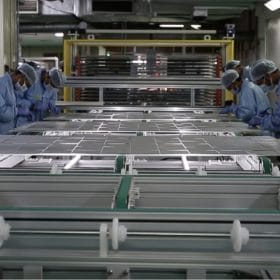
ICRA expects strong demand outlook for domestic solar manufacturers
As domestic solar manufacturers relying on imported cells remain exposed to price fluctuations, timely commissioning and ramp-up of on-going capex in module manufacturing value chain remains critical in the near to medium term.

Power ministry notifies green hydrogen policy
The Green Hydrogen Policy is designed to promote green hydrogen and green ammonia projects with provisions like 25-year waiver of inter-state transmission (ISTS) charges and ISTS connectivity on priority for renewable energy capacity set up for the purpose.
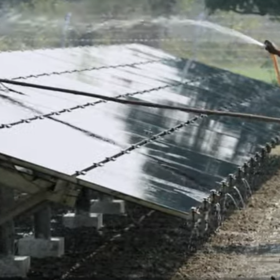
Husk Power Systems secures largest-ever debt finance for solar microgrids in rural India
The Bihar-based rural clean energy services provider has received US$4 million from India Renewable Energy Development Agency (IREDA) to construct 140 microgrids in the states of Uttar Pradesh and Bihar.
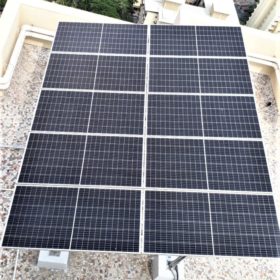
Rooftop solar price to keep rising this year
British analyst GlobalData has predicted residential and commercial rooftop panels will not return to a declining price trend until next year, with post-Covid logistics headaches the cause, rather than a polysilicon shortage.
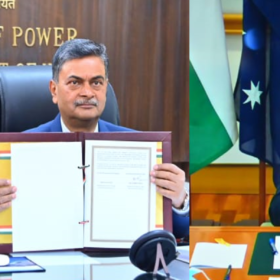
India and Australia sign letter of intent on solar, ‘clean’ hydrogen
India and Australia have signed a letter of intent to cooperate on scaling up the manufacture and deployment of ultra-low-cost solar and clean hydrogen.