ReNew’s operational renewables portfolio hit 7.6 GW in FY2021-22
ReNew Power’s total income rose 27% year on year to INR 69,195 million ($912 million) in fiscal 2021-22, on 130 MW of solar capacity additions in the fourth quarter alone. Its overall renewables portfolio rose to 10.7 GW at the end of March, including 7.6 GW of commissioned capacity and 3.1 GW of committed projects.
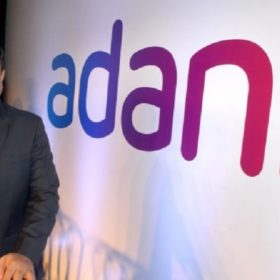
TotalEnergies to acquire 25% stake in Adani’s green hydrogen unit
France’s TotalEnergies has signed an agreement with Adani Enterprises to acquire 25% of its new energy arm, Adani New Industries Ltd. The joint venture platform, ANIL, will be integrated across the value chain to drive down green hydrogen production costs. It aims to develop a green hydrogen production capacity of 1 million tons per annum by 2030.

Torrent Power acquires 50 MW solar plant from SkyPower
Torrent Power has bought a 50 MW solar plant in Telangana that supplies power to Northern Power Distribution at a tariff of about INR 5.35 ($0.069)/kWh, fixed for the entire 25-year duration of the power purchase agreement. The project has a remaining useful lifetime of about 20 years.
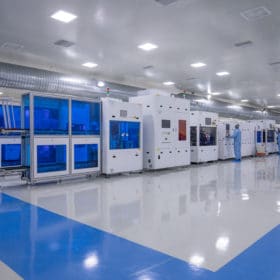
Premier Energies, Azure Power partner on solar cells, modules
Premier Energies and Azure Power have signed a strategic alliance under which Azure will invest in Premier’s 1.25 GW mono PERC cell and module facility in Telangana. It will also source 2.4 GW of solar modules from the plant over the next four years.

Tata Power posts 50% jump in net profit for FY2021-22
Tata Power’s profit after tax grew by 50% year on year to INR 2,156 crore ($276 million) for the fiscal year ending March 31, 2022.
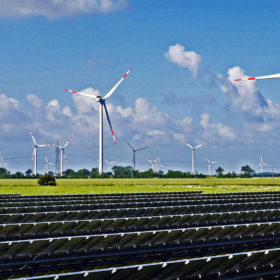
Indian renewable energy sector recorded $14.5 billion investment in FY2021-22
The investment needs to more than double to $30-$40 billion annually for India to reach the 2030 renewables target of 450 GW.
Ayana wants to develop 2 GW of solar and wind projects in Karnataka
The Bengaluru-based renewable energy producer has signed an Expression of Interest with the Government of Karnataka to invest around INR 120 billion ($1.54 billion) in developing 2 GW of solar and wind projects in the state.
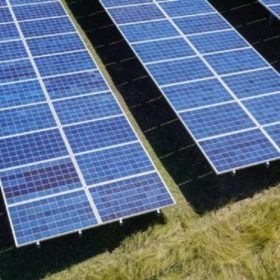
Telecom industry body hails green energy open-access reforms
The Cellular Operators Association of India has welcomed lowering of the green energy open-access transaction limit from 1 MW to 100 kW under the Electricity (Promoting Renewable Energy through Green Open Access) Rules 2022.
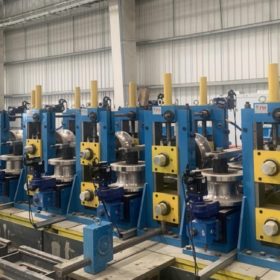
Arctech 3 GW solar tracker factory in India enters trial operation
The Chinese manufacturer’s 3 GW factory in Gujarat is equipped with fully automatic production lines to produce all major components of solar tracker products.
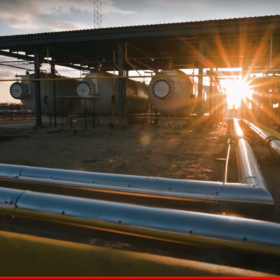
Acme to invest in green hydrogen, ammonia plant with captive solar in Karnataka
Renewables developer Acme Cleantech Solutions has signed a deal with the Karnataka government to invest INR 52,000 crore ($6.7 billion) in a new plant capable of producing 1.2 million tons of green hydrogen and ammonia per year, co-located with a captive solar plant.