New pricing mechanism for pumped-hydro storage in India
A new report recommends a differential pricing mechanism for pumped-hydro energy storage (PHES) projects in pumping (off-peak operation) and generating mode (peak operation). The pricing mechanism for PHES should be based on specific use cases like peak load shaving and the smoothing of renewable energy generation.
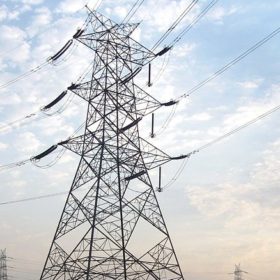
Discom dues liquidation to help realize INR 9,000 crore receivables for renewables sector
The receivables period for leading renewable energy generators can reduce by 40-50 days from the current 180 days, by March 31, 2024.
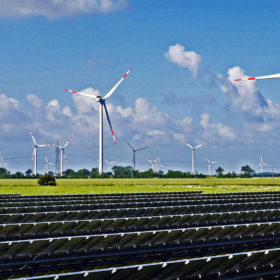
India needs $223 billion to meet 2030 wind, solar goals
India requires $223 billion of investment over the next eight years to reach nearly 280 GW of solar and 140 GW of wind capacity by 2030.

Solar auctions in India to attract large developers
A new report shows that renewable energy companies will continue to compete in upcoming auctions in India, undeterred by challenges such as rising materials costs and surging interest rates.

Microsoft to purchase power from a 100 MW Amplus Solar project in India
On the road to becoming carbon negative, Microsoft increases the amount of zero-carbon electricity it’s procuring through long-term contracts.
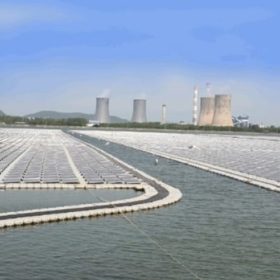
DVC seeks EPC contractors for 30 MW of floating solar
State-owned Damodar Valley Corp. (DVC) is seeking contractors to install and commission 30 MW of grid-connected floating solar capacity at its thermal power stations in Jharkhand and West Bengal. Bidding closes on Aug. 1.
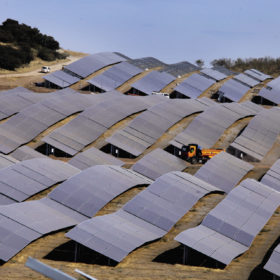
Spanish court orders Iberdrola to dismantle 60% of 500 MW operational PV plant
A Spanish court has ruled that Spain’s largest operational PV project – the 500 MW Nuñez de Balboa solar plant – occupies a piece of land that was illegally expropriated. Project owner Iberdrola must now shut down a large portion of the installation.
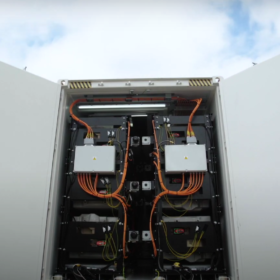
Hinduja Group invests in UK second-life battery storage specialist
Hinduja Group, an Indian multinational, has invested GBP 15 million (($18.4 million) with four other investors in Connected Energy, a developer of energy storage systems based on second-life electric vehicle batteries. The investment will help Connected Energy to scale up its operations and move into utility-scale project development.

The long read: Clear winds of renewables change
After a decade of under-delivering on its potential, there are changes afoot in Southeast Asia’s renewable energy development, says Assaad W. Razzouk, the CEO of Singapore-based developer Gurin Energy. Razzouk points to success stories in the region and notes that political will and clear regulations for developers are needed.

Battery metals: How quickly can supply ramp up?
A couple of weeks ago, Goldman Sachs sent shockwaves through battery metals markets, issuing a prediction that cobalt and lithium in particular were due for a sharp price decline in the next two years. But London-based Benchmark Mineral Intelligence is loudly pushing back, outlining its reasons why it believes the call on lithium was wrong. Meanwhile, US analyst Wood Mackenzie says that the battery raw material chain will remain tight, but notes that recycling could help to ease the supply deficit.